Indoor air is 2 to 5 times more polluted than outdoor air, according to the EPA. You spend approximately 90% of your time indoors. Yet most people have never tested their indoor air quality or taken deliberate steps to improve it.
The good news: improving indoor air quality is straightforward once you understand the three pillars — source control, ventilation, and filtration. This guide covers every practical step, ranked by impact.
Key Takeaways
- 1Indoor air is 2 to 5 times more polluted than outdoor air according to the EPA, and Americans spend roughly 90% of their time indoors
- 2The three pillars of IAQ improvement are source control (highest impact), ventilation, and filtration — use all three together
- 3MERV 13 HVAC filters capture 85%+ of airborne particles and are the maximum recommended rating for most residential systems
- 4Ideal indoor humidity is 40-50% relative humidity — below 30% increases virus transmission, above 60% promotes mold growth within 24-48 hours
- 5CO2 levels above 1,000 ppm indicate inadequate ventilation; PM2.5 should stay below 12 µg/m³ per EPA annual standards
Quick Answer
How can I improve indoor air quality?
Improve indoor air quality using three strategies: first, eliminate pollution sources (remove air fresheners, switch to low-VOC cleaners, fix moisture problems); second, ventilate by opening windows for 15-20 minutes daily and running exhaust fans; third, run a True HEPA air purifier 24/7 in occupied rooms. Maintain humidity between 40-50% and upgrade your HVAC filter to MERV 13.
The Three Pillars of Indoor Air Quality
Every air quality strategy falls into three categories:
| Pillar | What It Does | Impact | Example |
|---|---|---|---|
| Source Control | Prevent pollutants from entering | Highest | Remove the source of mold, stop using aerosol sprays |
| Ventilation | Dilute indoor pollutants with outdoor air | High | Open windows, run exhaust fans, upgrade HVAC |
| Filtration | Remove pollutants already in the air | High | HEPA air purifier, MERV 13 HVAC filter |
Most people jump straight to buying an air purifier (filtration). While purifiers are effective, source control and ventilation are higher-impact first steps. The best strategy uses all three together.
Step 1: Identify Your Pollutants
Before you fix anything, know what you are dealing with. Different pollutants require different solutions:
| Pollutant | Health Impact | Common Sources | How to Detect |
|---|---|---|---|
| PM2.5 | Respiratory, cardiovascular | Cooking, candles, outdoor air, dust | PM2.5 monitor |
| VOCs | Headaches, irritation, cancer risk | Cleaning products, paint, furniture, air fresheners | VOC sensor |
| CO2 | Drowsiness, poor cognition | Human breathing in closed rooms | CO2 monitor |
| Mold spores | Allergies, asthma, infections | Moisture above 60% RH | Humidity monitor, visual inspection |
| Radon | Lung cancer (2nd leading cause) | Ground seepage through foundation | Radon test kit or continuous monitor |
| Allergens | Allergies, asthma | Dust mites, pet dander, pollen | Symptom tracking, PM2.5 monitor |
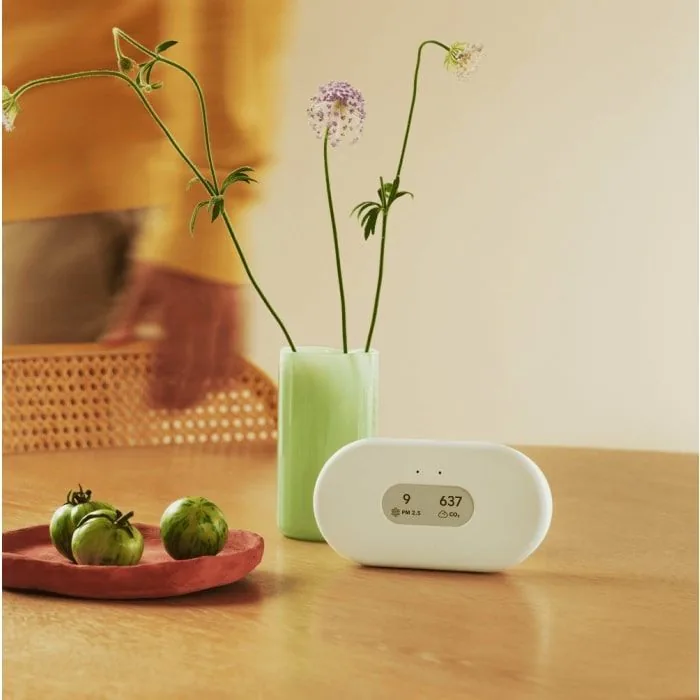
Start here: Get an air quality monitor. The Airthings View Plus ($329.99) covers radon, PM2.5, CO2, VOCs, humidity, and temperature. The Amazon Smart Air Quality Monitor ($50) covers PM2.5, VOCs, and CO at a budget price.
See our full guide: How to Test Your Home Air Quality
Step 2: Eliminate Sources
The most effective way to improve air quality is to remove the source of pollution entirely.
High-Impact Source Eliminations
Stop using aerosol air fresheners and plug-in fragrances. These emit VOCs continuously and mask odors rather than removing them. One study found plug-in air fresheners emit over 20 different VOCs, including formaldehyde. Replace with: nothing (clean air does not need fragrance), or beeswax candles if you want ambiance.
Switch cleaning products. Commercial cleaning sprays with bleach, ammonia, or "antibacterial" formulas release significant VOCs. Switch to simple alternatives: white vinegar + water, castile soap, or EPA Safer Choice certified products.
Remove shoes at the door. Shoes track in pesticides, lead dust, pollen, and bacteria. A no-shoes policy with a door mat captures 80% of tracked-in particles.
Fix moisture problems. Any water leak, condensation, or persistent humidity above 60% will grow mold within 24-48 hours. Fix leaks immediately. Use a dehumidifier in damp basements.
Address smoking. Indoor smoking is the single largest controllable source of PM2.5 in homes. No air purifier can fully compensate for indoor smoking. If quitting is not an option, smoke outdoors and use an air purifier for smoke indoors.
Step 3: Ventilate Properly
Ventilation replaces stale indoor air with fresher outdoor air, diluting CO2, VOCs, and other accumulated pollutants.
Natural Ventilation
- Cross-ventilate: Open windows on opposite sides of the house for 15-20 minutes daily
- Best times: Early morning and evening when outdoor air quality is typically best
- Avoid: During high pollen counts, wildfire smoke events, or high-traffic rush hours near busy roads
Mechanical Ventilation
- Run exhaust fans during and for 20 minutes after cooking and showering
- Upgrade HVAC filter to MERV 13 — captures 85%+ of particles while allowing adequate airflow
- Check your HVAC ductwork — leaky ducts can pull in attic dust, garage fumes, or crawl space air
- Consider an ERV/HRV (Energy Recovery Ventilator) for continuous fresh air without losing heating/cooling efficiency
CO2 as Your Ventilation Indicator
CO2 levels are the best real-time indicator of ventilation quality:
- Under 800 ppm — Good ventilation
- 800-1,200 ppm — Adequate; consider opening a window
- 1,200+ ppm — Poor ventilation; take action immediately
The SAF Aranet4 Home ($189) monitors CO2 continuously with industry-leading NDIR accuracy and a 2+ year battery life.
Step 4: Filter What Remains
After source control and ventilation, a HEPA air purifier captures the particles and allergens that remain.
Choosing the Right Purifier
| Room Size | Recommended Purifier | Price |
|---|---|---|
| Under 200 sq. ft. | Levoit Core 300 | $99 |
| 200-350 sq. ft. | Coway AP-1512HH or Winix 5510 | $180-229 |
| 350-500 sq. ft. | Blueair 211+ | $300 |
| 500+ sq. ft. | Dyson Big Quiet or two units | $1,029+ |
Key rules:
- Run the purifier 24/7 on auto or low — continuous operation maintains clean air
- Close doors for maximum effectiveness
- Replace filters on schedule — a dirty HEPA filter restricts airflow and becomes ineffective
- Place the purifier correctly — see our placement guide
HVAC Filtration
Upgrade your central HVAC filter to MERV 13 for whole-home passive filtration. This captures most airborne particles every time your system runs. Change the filter every 90 days (every 60 days with pets).
Do not go above MERV 13 without confirming your HVAC system can handle the airflow restriction. Filters that are too restrictive can damage your HVAC equipment.
Step 5: Control Humidity
Humidity affects both comfort and air quality. The target range is 40-50% relative humidity.
| Humidity Level | Issue | Solution |
|---|---|---|
| Below 30% | Dry skin, bloody noses, increased virus transmission | Humidifier |
| 30-40% | Slightly dry; acceptable | Monitor |
| 40-50% | Ideal range | Maintain |
| 50-60% | Dust mites thrive | Improve ventilation |
| Above 60% | Mold growth within 24-48 hrs | Dehumidifier |
Winter: Heating systems dry indoor air to 20-30% RH. A humidifier like the Levoit LV600S restores comfortable levels.
Summer/Basements: Humidity often exceeds 60%, especially in basements. A dehumidifier like the Frigidaire 50-pint prevents mold growth.
Step 6: Monitor Continuously
Air quality changes throughout the day based on cooking, cleaning, outdoor conditions, occupancy, and weather. Continuous monitoring lets you respond to problems before they affect your health.
Budget monitoring ($50): Amazon Smart Air Quality Monitor — PM2.5, VOCs, CO with Alexa integration.
Comprehensive monitoring ($189-330): SAF Aranet4 Home for gold-standard CO2 accuracy with 2+ year battery, or Airthings View Plus for the complete picture including radon, PM2.5, and VOCs.
Room-by-Room Action Plan
Kitchen
- Run exhaust fan every time you cook (during + 20 min after)
- Switch to non-aerosol cleaning products
- Open a window when frying or searing
- Consider a purifier between kitchen and living area
Bedroom
- Run a HEPA purifier 24/7 on low with the door closed
- Wash bedding weekly in hot water to kill dust mites
- Remove carpeting if possible (hard floors accumulate less allergens)
- Keep humidity at 40-50%
Bathroom
- Run exhaust fan during and 20 minutes after every shower
- Fix any water leaks immediately
- Clean visible mold with hydrogen peroxide (not bleach)
- Check under-sink areas for moisture monthly
Basement
- Test radon (every home should test, especially basements)
- Run a dehumidifier to keep humidity below 50%
- Seal cracks in foundation where radon enters
- Use HEPA filtration if the basement is a living space
Living Room
- Remove shoes at the door
- HEPA vacuum weekly (not a regular vacuum)
- Run a properly-sized purifier continuously
- Choose low-VOC furniture and avoid synthetic fragrances
Sources & References
- EPA Introduction to Indoor Air Quality — States indoor air is typically 2-5x more polluted than outdoor air
- ASHRAE (American Society of Heating, Refrigerating and Air-Conditioning Engineers) — Sets ventilation standards including MERV filter ratings and indoor CO2 guidelines
- WHO Global Air Quality Guidelines — Recommends PM2.5 levels below 15 µg/m³ for indoor environments
- American Lung Association - Indoor Air Quality — Resources on reducing indoor air pollutants for respiratory health
This guide was researched and written by the AirQualityNest editorial team. We update our content regularly to reflect the latest products, pricing, and research.
Frequently Asked Questions
What is the fastest way to improve indoor air quality?+
Open windows for 15-20 minutes to flush stale air, then close them and run a HEPA air purifier. This two-step approach dilutes accumulated pollutants through ventilation and then filters what remains. For immediate improvement, remove known pollution sources: stop using aerosol sprays, air fresheners, and scented candles.
Do air purifiers improve indoor air quality?+
Yes. True HEPA air purifiers reduce airborne particles (dust, allergens, PM2.5) by 50-90% in enclosed rooms. They are most effective with doors closed and when running continuously. For chemical pollutants like VOCs, you also need an activated carbon filter. Air purifiers work best as part of a broader strategy including source control and ventilation.
How do I know if my indoor air quality is bad?+
Common signs include: persistent allergy symptoms indoors, musty or stale odors, visible mold, condensation on windows, headaches that improve when you leave home, and excessive dust accumulation. For objective measurement, use an air quality monitor that tracks PM2.5, CO2, VOCs, and humidity.
Is indoor air quality worse in winter?+
Usually yes. Closed windows eliminate ventilation, heating systems dry the air and circulate dust, and CO2 accumulates from human breathing. Winter indoor PM2.5 and CO2 levels are typically 30-50% higher than summer levels. Combat this with HEPA filtration, a humidifier, and periodic window ventilation even in cold weather.
What indoor air quality level is unhealthy?+
PM2.5 above 12 µg/m³ (EPA annual standard), CO2 above 1,000 ppm (indicates poor ventilation), humidity below 30% or above 60%, and any detectable radon above 4 pCi/L. If you measure these levels consistently, take action with the steps outlined in this guide.
Related Reading
How to Test Your Home Air Quality
What to measure and which monitors to use
How to Reduce Dust in Your Home
12 proven methods for dust-free living
Best Air Purifiers for Allergies
Our top purifier picks for allergy relief
Best Dehumidifiers for Basements
Control moisture before it becomes mold
Air Purifier vs Humidifier
Which device do you actually need?
Continue Reading
Best Air Purifiers for Open Floor Plans in 2026: High-CADR Models That Cover It All
The best air purifiers for open floor plans ranked by CADR, coverage area, and noise. High-performance HEPA purifiers that handle 500-1,500+ sq. ft. open spaces.
Best Smart Humidifiers in 2026 (Wi-Fi, App Control & Auto Humidity)
The best smart humidifiers with Wi-Fi, app control, and auto humidity adjustment. Top picks for Alexa, Google Home, and smart home integration.
The 5 Best Portable Air Quality Monitors in 2026
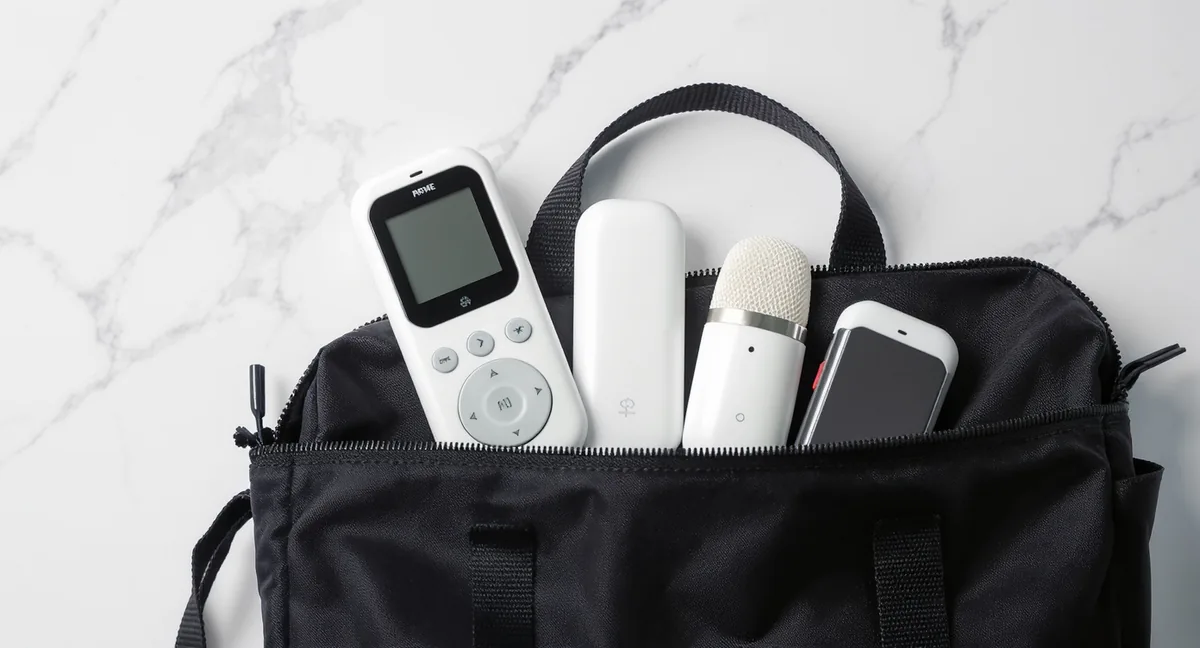
Monitor your air quality on the go. We tested the best portable and compact air quality monitors for accuracy, battery life, and sensor range.