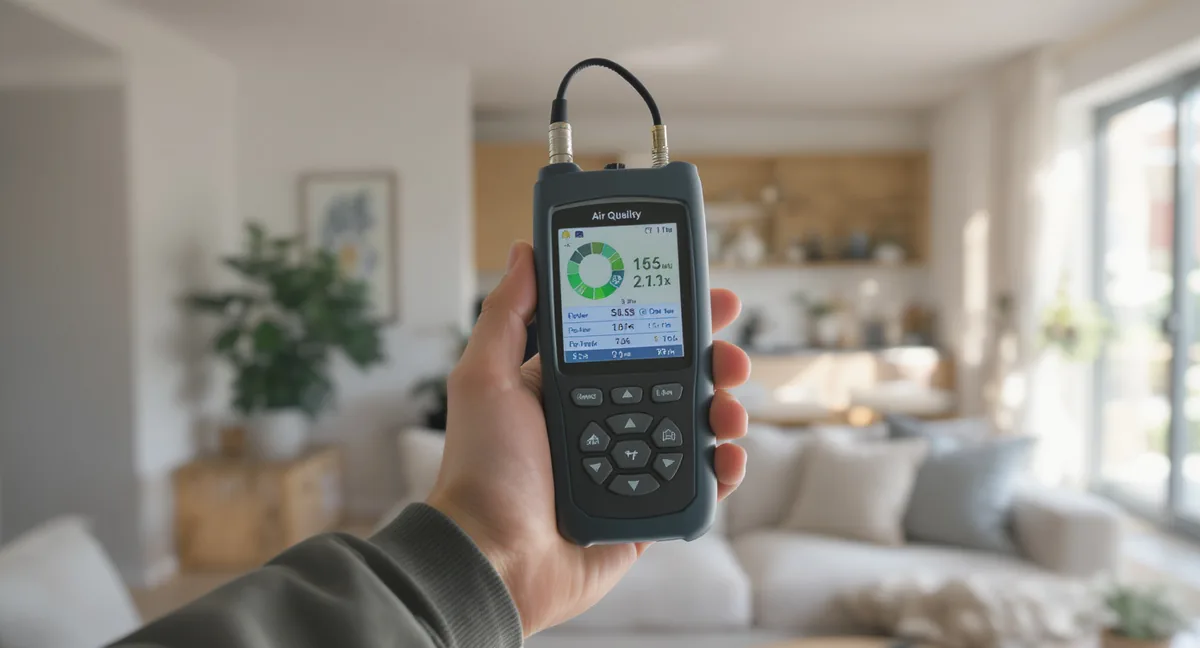
Indoor air quality (IAQ) is often 2-5x worse than outdoor air, yet most people never test it. Whether you are concerned about allergies, new construction off-gassing, or general health, understanding what is in your air is the first step to improving it.
Key Takeaways
- 1Safe indoor PM2.5 is below 12 µg/m³ (WHO guideline); levels above 35 µg/m³ are unhealthy for sensitive groups per the EPA
- 2CO2 above 1,000 ppm indicates poor ventilation — outdoor baseline is approximately 420 ppm
- 3The EPA action level for radon is 4.0 pCi/L; radon is the second leading cause of lung cancer after smoking
- 4Consumer air quality monitors ($50-$330) can continuously track PM2.5, CO2, VOCs, and humidity in real time
- 5Professional indoor air quality testing ($200-$500) is recommended for suspected mold, asbestos, or unexplained health symptoms
Quick Answer
How do I test my home's air quality?
The easiest way to test home air quality is with a consumer air quality monitor that tracks PM2.5, CO2, VOCs, and humidity in real time. For radon, use a DIY test kit ($10-$30) from a hardware store. For specific concerns like mold or asbestos, hire a certified indoor air quality professional ($200-$500) who uses lab-grade equipment.
Common Indoor Air Pollutants
Before you test, it helps to know what you are looking for:
Particulate Matter (PM2.5 & PM10)
Fine particles from cooking, candles, dust, pet dander, and outdoor pollution that infiltrates your home. PM2.5 (particles smaller than 2.5 microns) is the most health-relevant because it penetrates deep into lungs.
Safe level: Below 12 µg/m³ (24-hour average, per WHO guidelines)
Volatile Organic Compounds (VOCs)
Chemical gases released by furniture, paint, cleaning products, air fresheners, and building materials. Common VOCs include formaldehyde, benzene, and toluene.
Safe level: Below 500 ppb total VOCs
Carbon Dioxide (CO2)
A byproduct of human respiration. High CO2 levels indicate poor ventilation, which means other pollutants are also accumulating.
Safe level: Below 1,000 ppm (outdoor air is ~420 ppm)
Radon
A naturally occurring radioactive gas that seeps into homes through foundation cracks. It is the #2 cause of lung cancer after smoking.
Safe level: Below 4.0 pCi/L (EPA action level), ideally below 2.0 pCi/L
Humidity
Not a pollutant itself, but incorrect humidity levels enable mold growth (too high) or worsen respiratory symptoms (too low).
Ideal range: 30-50% relative humidity
Testing Methods
Option 1: Consumer Air Quality Monitors
The easiest approach is a plug-and-play monitor that continuously tracks multiple parameters. Our top recommendation:
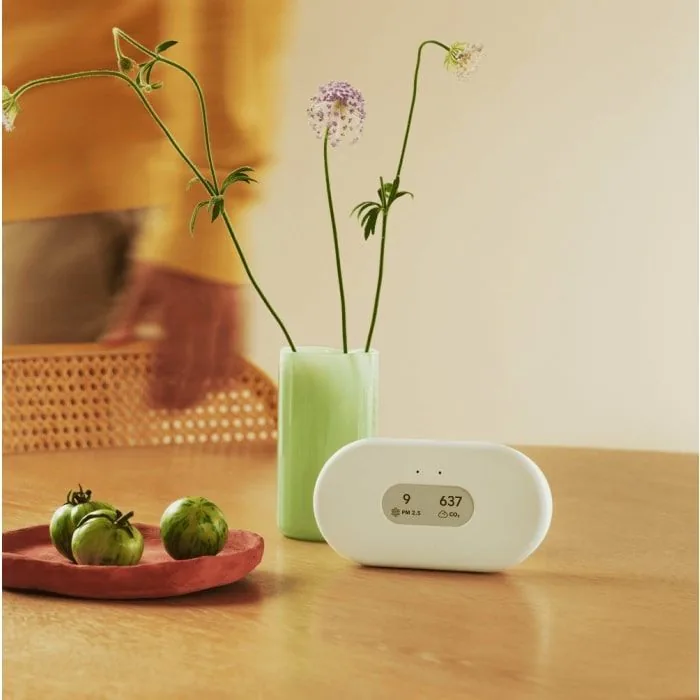
Consumer monitors give you real-time data and historical trends, making them ideal for ongoing monitoring and identifying patterns (like cooking spikes or overnight CO2 buildup).
Option 2: Professional Testing
For specific concerns like mold, asbestos, or detailed VOC analysis, hire a certified indoor air quality professional. They use lab-grade equipment and can identify specific compounds a consumer monitor cannot.
When to hire a professional:
- Suspected mold contamination
- Post-renovation concerns (asbestos, lead paint)
- Unexplained health symptoms in your household
- Real estate transactions
Option 3: DIY Test Kits
Radon test kits are widely available at hardware stores for $10-$30. Short-term tests (2-7 days) give a snapshot, while long-term tests (90+ days) provide a more accurate average.
Interpreting Your Results
Once you have air quality data, here is what to do:
- High PM2.5? — Run a HEPA air purifier, address cooking ventilation, reduce candle/incense use
- High CO2? — Improve ventilation by opening windows periodically or upgrading your HVAC system
- High VOCs? — Identify the source (new furniture, cleaning products) and increase ventilation
- High radon? — Contact a radon mitigation professional to install a sub-slab depressurization system
- High humidity? — Use a dehumidifier and improve bathroom/kitchen ventilation
Recommended Monitors
Next Steps
Testing your air is just the beginning. Once you know what pollutants are present, you can choose the right solution. Check out our best picks for air purifiers, dehumidifiers, and humidifiers to improve your indoor air quality.
Sources & References
- EPA Indoor Air Quality — Guidelines on indoor pollutant thresholds including PM2.5 and radon action levels
- WHO Air Quality Guidelines — Global guidelines recommending PM2.5 below 15 µg/m³ for healthy indoor environments
- CDC - Indoor Environmental Quality — Guidance on workplace and residential indoor air quality testing and health effects
- EPA Radon Information — Sets the 4.0 pCi/L action level for radon and recommends testing every home
This guide was researched and written by the AirQualityNest editorial team. We update our content regularly to reflect the latest products, pricing, and research.
Frequently Asked Questions
How do I know if my home air quality is bad?+
Common signs of poor indoor air quality include persistent allergy symptoms (sneezing, watery eyes, congestion) that improve when you leave home, visible dust accumulating quickly on surfaces, musty or stale odors, condensation on windows, and worsening asthma symptoms indoors. However, many dangerous pollutants like radon, CO2, and fine particulates (PM2.5) are invisible and odorless, so a dedicated air quality monitor is the most reliable way to assess your indoor air.
What are symptoms of poor indoor air quality?+
Symptoms of poor indoor air quality include headaches, fatigue, difficulty concentrating (often from high CO2 levels above 1,000 ppm), frequent respiratory infections, worsening allergies or asthma, dry or irritated eyes, and sore throat. Long-term exposure to pollutants like radon or high PM2.5 can contribute to serious conditions including lung cancer and cardiovascular disease. If multiple household members experience these symptoms that improve when away from home, poor air quality is a likely culprit.
Can I test my air quality without a monitor?+
You can get limited information without a digital monitor. DIY radon test kits ($10-30 at hardware stores) provide accurate radon readings. Visual inspection can reveal mold growth, excess dust, or condensation issues. You can also hire a professional indoor air quality assessment for $200-500, which provides lab-grade measurements of PM2.5, VOCs, radon, and mold spores. However, for ongoing monitoring, a consumer device like the Airthings View Plus is the most practical solution.
What is a dangerous PM2.5 level?+
The EPA considers PM2.5 levels above 35 µg/m³ (24-hour average) to be unhealthy for sensitive groups, and above 55 µg/m³ unhealthy for everyone. Levels above 150 µg/m³ are classified as 'very unhealthy' and above 250 µg/m³ as 'hazardous,' which commonly occurs during wildfire smoke events. For reference, the WHO recommends keeping indoor levels below 15 µg/m³, and a well-maintained home with a HEPA purifier typically stays between 2-8 µg/m³.
Related Reading
Best Air Quality Monitors
Our top-rated home monitors for continuous tracking
Best Portable Air Quality Monitors
Handheld monitors for room-by-room spot checks
AQI Explained
How to interpret the numbers your monitor shows
Radon in Your Home
Why radon testing requires specialized monitoring
Best CO2 Monitors
Top CO2 monitors for tracking ventilation quality
Best Air Quality Monitors Under $100
Affordable monitors for PM2.5, VOC, and formaldehyde
Continue Reading

Best Air Purifiers for Open Floor Plans in 2026: High-CADR Models That Cover It All
The best air purifiers for open floor plans ranked by CADR, coverage area, and noise. High-performance HEPA purifiers that handle 500-1,500+ sq. ft. open spaces.
Best Smart Humidifiers in 2026 (Wi-Fi, App Control & Auto Humidity)
The best smart humidifiers with Wi-Fi, app control, and auto humidity adjustment. Top picks for Alexa, Google Home, and smart home integration.
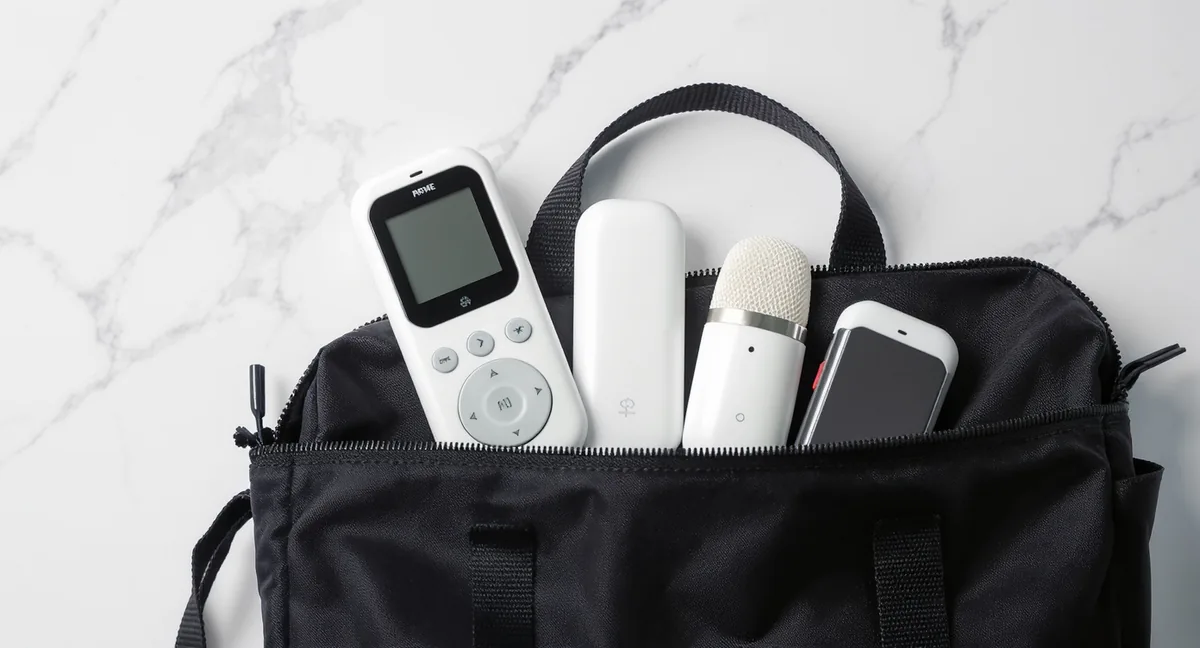
The 5 Best Portable Air Quality Monitors in 2026
Monitor your air quality on the go. We tested the best portable and compact air quality monitors for accuracy, battery life, and sensor range.