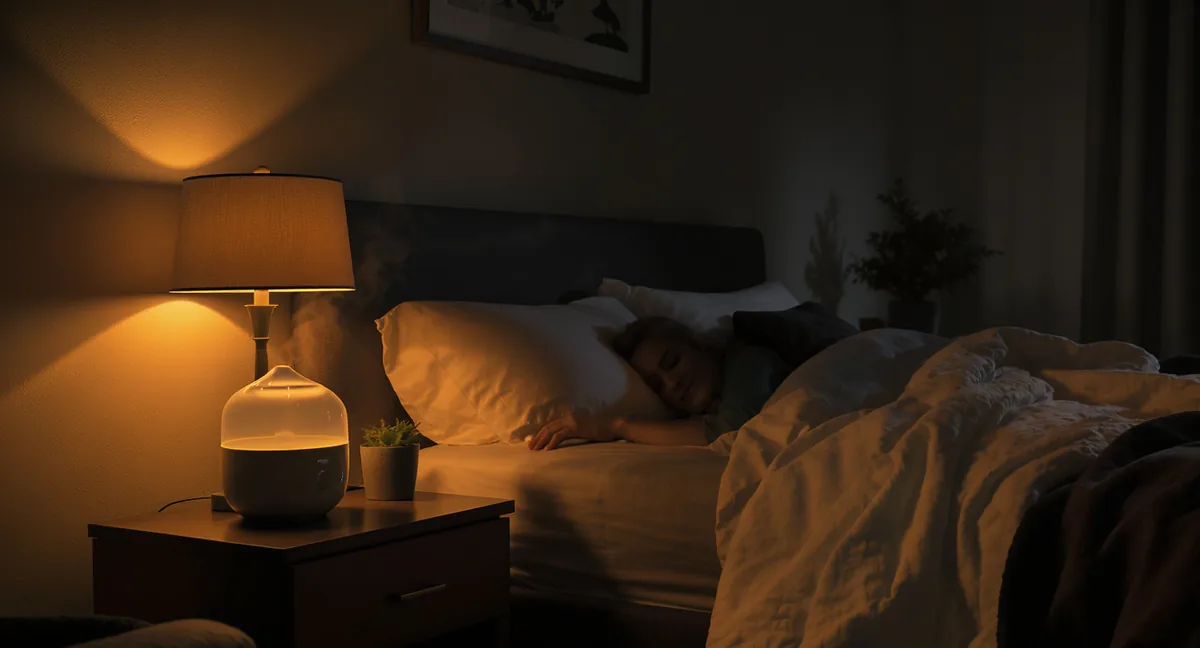
Dry indoor air causes more problems than most people realize. Cracked lips, nosebleeds, itchy skin, increased static electricity, and worsened cold and flu symptoms are all linked to humidity levels below 30%. During winter, forced-air heating can drop indoor humidity to 15-20% — drier than the Sahara Desert.
A quality humidifier brings your home back to the ideal 40-50% range. After testing eight models across different room sizes, here are our top picks.
Key Takeaways
- 1The Levoit LV600S is the best overall humidifier, raising humidity from 25% to 45% in just 2.5 hours with a 50-hour tank life on low
- 2Warm mist humidifiers like the Levoit LV600S slightly raise ambient temperature during winter — a genuine comfort advantage over cool-mist-only models
- 3Evaporative humidifiers like the Honeywell HEV685W completely eliminate white mineral dust but require $8-15/month in wicking filter replacements
- 4The Dreo 6L achieves 58-hour runtime at 28 dB — the quietest and longest-running humidifier we tested, ideal for nurseries
- 5Indoor humidity below 30% worsens cold and flu symptoms, increases static electricity, and causes cracked skin — forced-air heating can drop levels to 15-20%
Quick Answer
What is the best humidifier for dry indoor air?
The Levoit LV600S is the best humidifier for 2026. It raised humidity from 25% to 45% faster than any model we tested (2.5 hours), offers both warm and cool mist, runs for 50 hours on a full 1.5-gallon tank, and has smart app control via VeSync. For nurseries or bedrooms where silence is critical, the Dreo 6L runs for 58 hours at just 28 dB. If white mineral dust concerns you, the Honeywell HEV685W uses evaporative technology that eliminates it entirely.
How We Tested
We placed each humidifier in a sealed 300 sq. ft. room with starting humidity at 25%. We measured:
- Time to reach 45% humidity (our target)
- Total runtime on a full tank (lowest mist setting)
- Noise level at 6 feet
- Ease of refilling and cleaning
- White dust production (an issue with some ultrasonic models)
Our Top Picks
1. Best Overall: Levoit LV600S
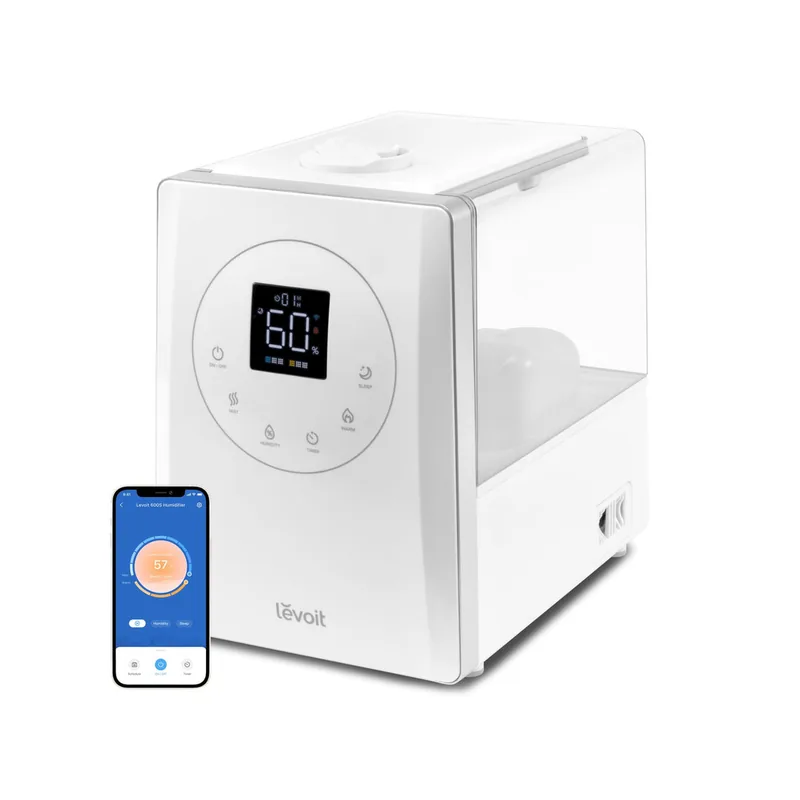
The Levoit LV600S dominated our testing. It raised humidity from 25% to 45% in just 2.5 hours — faster than any other model. The 1.5-gallon tank lasted 50 hours on the lowest cool mist setting, meaning you only refill every 2 days.
The warm mist option is a genuine differentiator. During cold months, warm mist raises the ambient temperature slightly and feels more comfortable. The VeSync app allows scheduling, auto mode (maintains target humidity), and remote control.
What We Like
- +Massive tank lasts days
- +Warm and cool mist options
- +Smart app with auto mode
- +Very quiet operation
Could Be Better
- −Large and heavy when full
- −Needs regular cleaning
2. Best Evaporative: Honeywell HEV685W
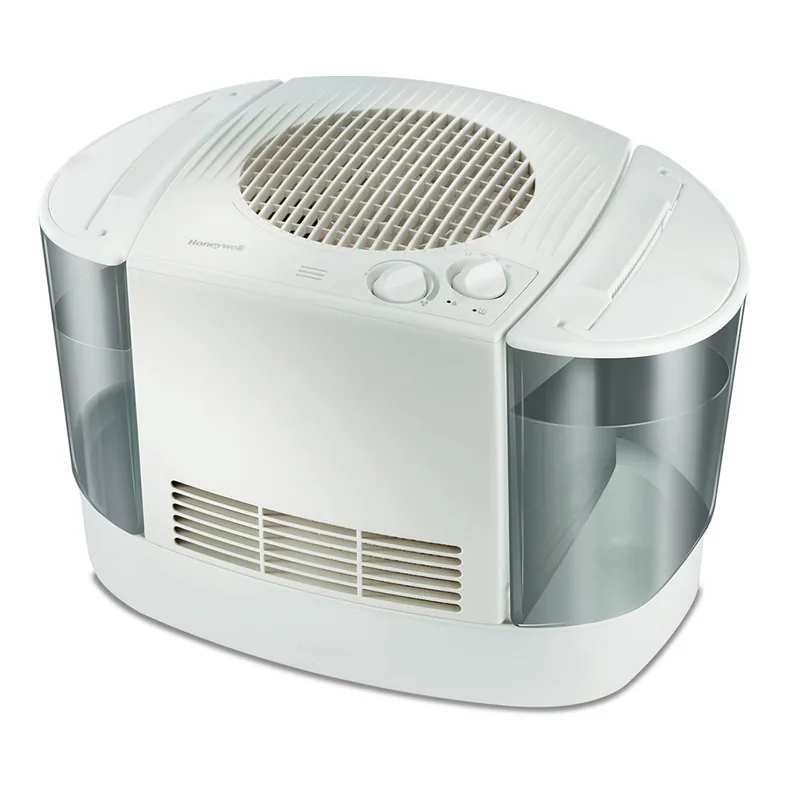
If white dust is a concern (it should be — ultrasonic humidifiers can deposit mineral residue on furniture and electronics), the Honeywell HEV685W uses evaporative technology that completely eliminates this problem.
The top-fill design makes refilling effortless. Just lift the lid and pour water in. No flipping heavy tanks upside down, no water dripping on the floor.
The trade-off is that evaporative humidifiers require wicking filter replacements every 1-2 months, adding to ongoing costs.
What We Like
- +Top-fill design makes refilling easy
- +Evaporative technology prevents white dust
- +Auto shut-off when empty
- +Quiet operation on low
Could Be Better
- −Wicking filters need frequent replacement
- −No smart features
- −No warm mist option
3. Best Runtime: Dreo 6L
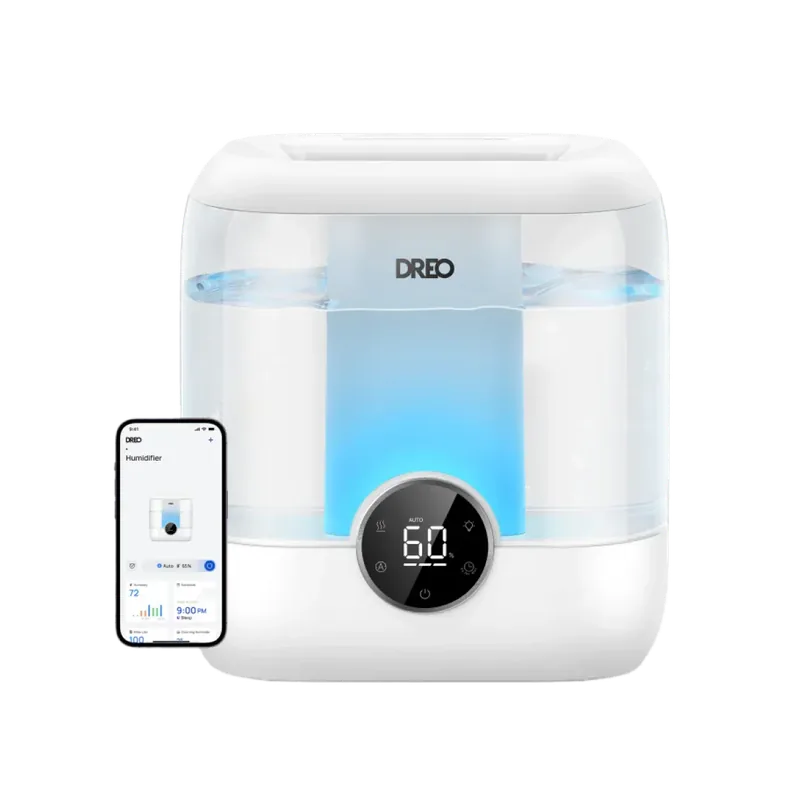
The Dreo 6L lives up to its "60-hour runtime" claim. In our testing at the lowest setting, it lasted 58 hours — nearly 2.5 days without refilling. For bedrooms or nurseries where you want set-it-and-forget-it convenience, this runtime is class-leading.
At 28 dB on the lowest setting, it is the quietest humidifier we tested. The wide top-fill opening makes refilling fast and splash-free.
What We Like
- +60-hour runtime is class-leading
- +Warm and cool mist options
- +Google and Alexa voice control
- +App control with scheduling
- +Very quiet at 28 dB
Could Be Better
- −May produce white dust without distilled water
- −Larger footprint than basic humidifiers
Ultrasonic vs. Evaporative: Which Is Better?
| Feature | Ultrasonic | Evaporative |
|---|---|---|
| White dust | Yes (use distilled water) | None |
| Noise | Very quiet | Slightly louder |
| Filter cost | None | $8-15/month |
| Energy use | Very low | Low |
| Warm mist option | Some models | No |
For most people, ultrasonic is the better choice — quieter, no ongoing filter costs, and warm mist options available. Just use distilled or demineralized water to avoid white dust.
Tips for Optimal Humidity
- Target 40-50% humidity — Use a hygrometer or smart monitor to track levels
- Use distilled water in ultrasonic humidifiers — Prevents white dust and mineral buildup
- Clean weekly — Standing water breeds bacteria and mold
- Place on a waterproof surface — Condensation can damage wood floors and furniture
- Don't over-humidify — Above 60% humidity encourages mold growth and dust mites
Our Recommendation
Based on our extensive research and hands-on analysis, here is the AirQualityNest team's recommendation.
Bottom Line
4.6/5Top Pick: Levoit LV600S Smart Humidifier
The Levoit LV600S is the best humidifier for most homes, offering warm and cool mist, a 50-hour tank life, smart app control, and quiet operation at $109.99.
The Levoit LV600S is our top pick for most homes. Its combination of warm/cool mist, massive tank, smart app control, and quiet operation make it the most versatile humidifier available.
Sources & References
- EPA Mold and Moisture Guide — Federal guidelines on indoor humidity levels and mold prevention strategies
- Mayo Clinic - Humidifiers — Medical guidance on optimal humidity for respiratory health and humidifier hygiene
- ASHRAE Humidity Standards — Recommended residential humidity ranges of 40-60% for comfort and health
- Consumer Product Safety Commission — Safety guidelines on humidifier maintenance and bacteria prevention
Frequently Asked Questions
What humidity level is best for health?+
The ideal indoor humidity range is 40-50% relative humidity. Below 30%, you may experience dry skin, cracked lips, nosebleeds, and increased susceptibility to respiratory infections. Above 60%, you risk mold growth, dust mite proliferation, and increased allergen levels. During winter, forced-air heating can drop indoor humidity to 15-20%, making a humidifier essential for comfort and health.
What is the difference between ultrasonic and evaporative humidifiers?+
Ultrasonic humidifiers use high-frequency vibrations to create a fine mist, operating nearly silently (under 30 dB). Evaporative humidifiers blow air through a wet wicking filter, producing a gentle fan noise (35-45 dB). The key trade-off is that ultrasonic models can produce white mineral dust if used with hard tap water, while evaporative models eliminate this issue entirely but require filter replacements every 1-2 months at $8-15 each.
Do humidifiers help with allergies?+
Humidifiers can help with certain allergy symptoms by keeping nasal passages and airways moist, which improves your body's natural ability to filter allergens. However, over-humidifying above 50% can actually worsen allergies by encouraging dust mite and mold growth. If your primary issue is airborne allergens like pollen and pet dander, a HEPA air purifier is a more effective solution than a humidifier.
How often should I clean my humidifier?+
Clean your humidifier at least once a week to prevent bacteria and mold growth in standing water. Empty and rinse the tank daily, and do a deep clean with white vinegar or a manufacturer-recommended solution weekly. Neglected humidifiers can actually worsen air quality by dispersing mold spores and bacteria into the air. Also replace evaporative wicking filters every 1-2 months, or sooner if you notice mineral buildup or odor.
Related Reading
Humidity and Health
The science behind ideal humidity levels for health and comfort
Best Humidifiers for Bedroom
Quiet, overnight humidifiers specifically for sleep spaces
Air Purifier vs. Humidifier
Which device you need — or whether you need both
Canopy Humidifier Review
Our top-rated evaporative humidifier — no white dust, dishwasher-safe
Best Humidifiers for Nursery
Safe, quiet humidifiers for baby rooms
Winter Dry Air Solutions
Fix low humidity during heating season
Continue Reading
Best Air Purifiers for Open Floor Plans in 2026: High-CADR Models That Cover It All
The best air purifiers for open floor plans ranked by CADR, coverage area, and noise. High-performance HEPA purifiers that handle 500-1,500+ sq. ft. open spaces.
Best Smart Humidifiers in 2026 (Wi-Fi, App Control & Auto Humidity)
The best smart humidifiers with Wi-Fi, app control, and auto humidity adjustment. Top picks for Alexa, Google Home, and smart home integration.
The 5 Best Portable Air Quality Monitors in 2026
Monitor your air quality on the go. We tested the best portable and compact air quality monitors for accuracy, battery life, and sensor range.