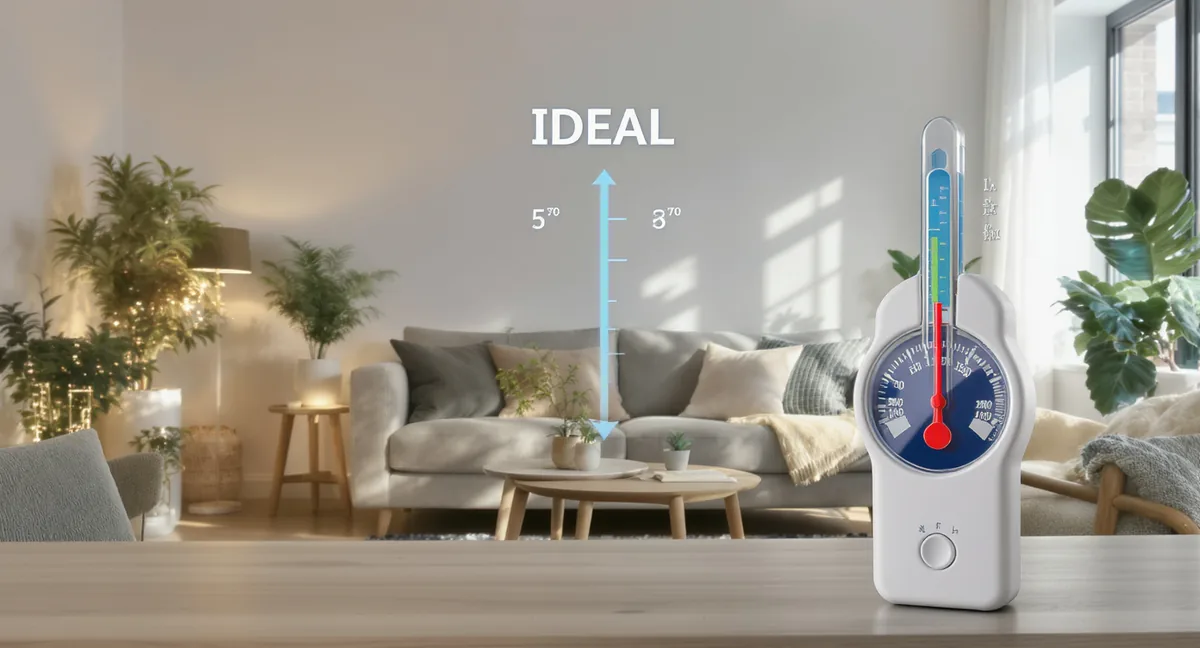
This is one of the most common questions we get, and the answer matters because buying the wrong device wastes money and does not fix your problem. Air purifiers and humidifiers do completely different things.
The Quick Answer
- Air purifier = Removes particles and pollutants from the air (dust, pollen, smoke, pet dander, mold spores)
- Humidifier = Adds moisture to dry air
They are not interchangeable. An air purifier will not fix dry skin, and a humidifier will not remove allergens.
When You Need an Air Purifier
Choose an air purifier if you experience:
- Allergy symptoms (sneezing, watery eyes, congestion) that worsen indoors
- Visible dust accumulating quickly on surfaces
- Pet odors or dander sensitivity
- Smoke exposure (cooking, wildfire, tobacco)
- Asthma triggered by indoor air
- Living near highways, construction, or industrial areas
- Musty or stale smelling rooms
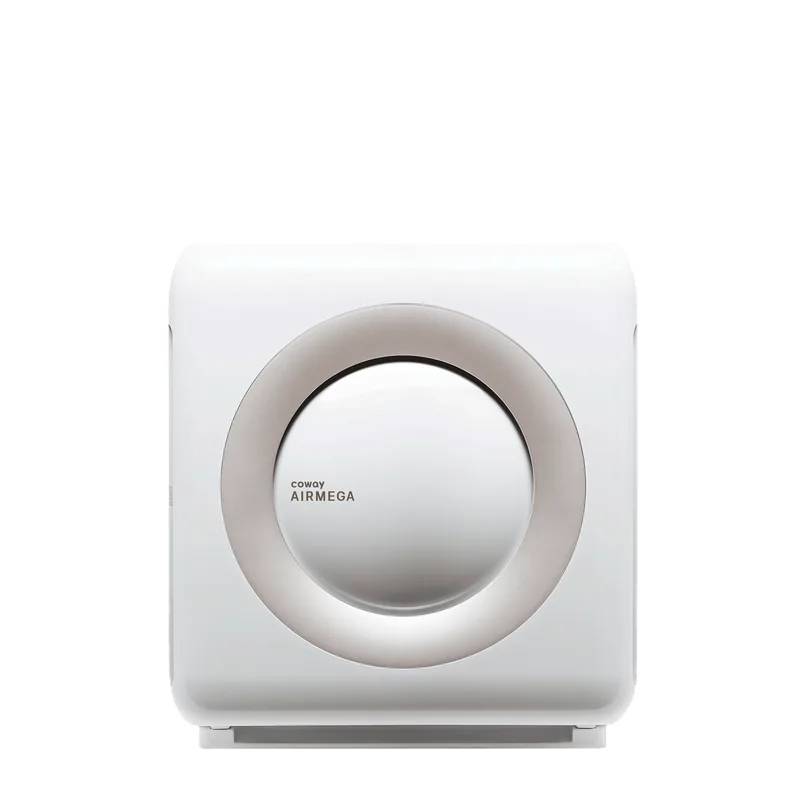
How it works: A HEPA air purifier draws air through a dense filter that traps 99.97% of airborne particles down to 0.3 microns. Activated carbon filters additionally absorb gases, odors, and VOCs (volatile organic compounds).
Our top pick for most homes:
When You Need a Humidifier
Choose a humidifier if you experience:
- Dry, cracked skin or lips — especially in winter
- Frequent nosebleeds
- Waking up with a dry, scratchy throat
- Static electricity shocks when touching doorknobs
- Wooden furniture or floors cracking or splitting
- Indoor humidity consistently below 30%
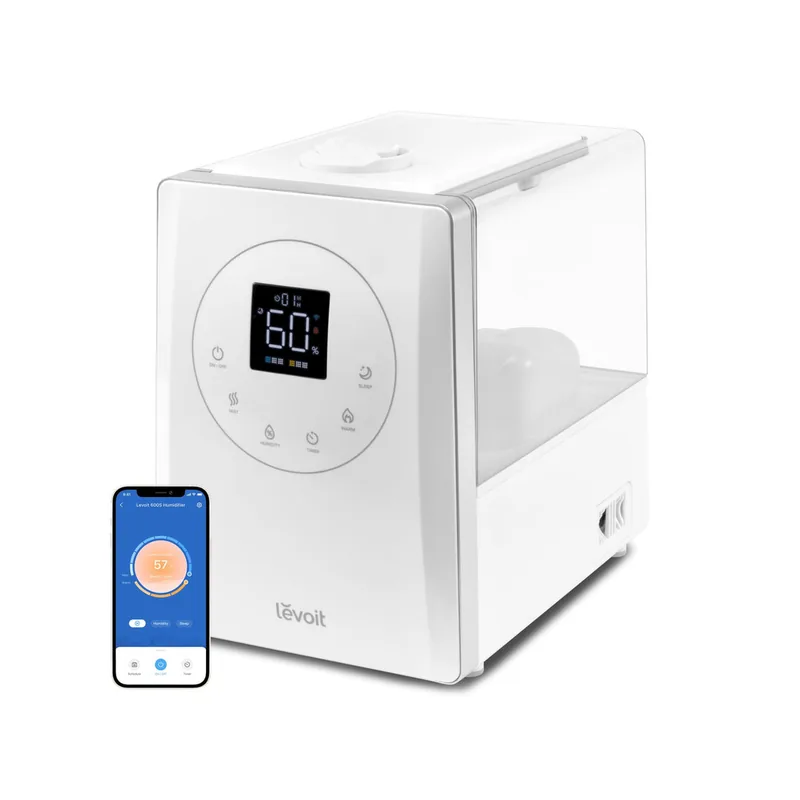
How it works: A humidifier releases water vapor (cool mist, warm mist, or evaporative) into the air, raising the relative humidity level.
Our top pick for most homes:
When You Need Both
Many homes need both an air purifier and a humidifier, especially during winter when heating systems create both dry air and increased airborne dust. Here are scenarios where both devices are necessary:
- Winter in cold climates — Forced-air heating dries out air AND circulates dust
- Allergy sufferers with dry symptoms — Need particle removal AND moisture
- Baby nurseries — Optimal air quality requires both clean and properly humidified air
- Homes with pets — Pet dander needs filtering, and heated homes dry out
Can You Use Them in the Same Room?
Yes, absolutely. An air purifier and humidifier work independently and do not interfere with each other. Place them on opposite sides of the room for best coverage.
One important note: do not place a humidifier directly next to an air purifier. The moisture output can accelerate filter degradation and encourage mold growth on the HEPA filter.
What About Combo Units?
Some products claim to be both an air purifier and humidifier in one unit. We generally recommend against these because:
- Moisture + filter = mold risk — Running humid air through a HEPA filter creates conditions for mold and bacteria to grow on the filter itself
- Maintenance is complex — Two systems sharing one housing means more failure points
- Performance compromises — Dedicated units outperform combos in both filtration and humidification
The exception is if you are severely space-constrained. In that case, a combo unit is better than nothing.
Cost Comparison
| Factor | Air Purifier | Humidifier |
|---|---|---|
| Device cost | $100-$600 | $40-$150 |
| Annual filter/maintenance | $40-$100 | $0-$80 |
| Energy cost/month | $2-$5 | $1-$3 |
| Lifespan | 5-10 years | 3-5 years |
Summary: Make the Right Choice
| Your Problem | Solution |
|---|---|
| Allergies, dust, pet dander | Air purifier |
| Smoke or odors | Air purifier (with carbon filter) |
| Dry skin, nosebleeds | Humidifier |
| Static electricity | Humidifier |
| Winter dryness + allergies | Both |
| Baby nursery | Both |
Still not sure? Start by measuring your indoor air quality and humidity with a monitor:
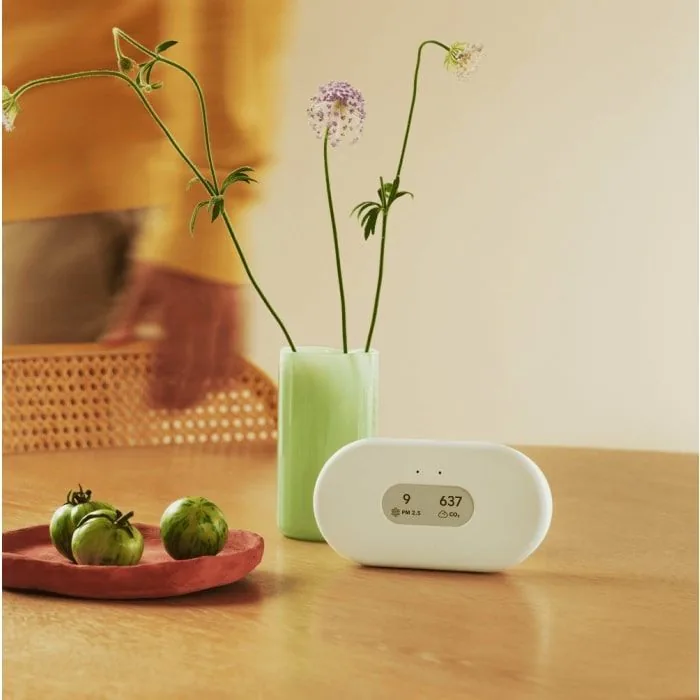
An air quality monitor will tell you exactly which problem you have — high particulate levels, low humidity, or both — so you can make the right purchase.
This guide was researched and written by the AirQualityNest editorial team. We update our content regularly to reflect the latest products, pricing, and research.
Frequently Asked Questions
Can I use an air purifier and humidifier together?+
Yes, you can and should use both if you have dry air and airborne pollutants. They address completely different problems — the purifier removes particles while the humidifier adds moisture. Place them at least 6 feet apart so the humidifier mist does not get pulled directly into the purifier's filter, which could reduce filter lifespan. Many nurseries and bedrooms benefit from running both simultaneously.
Which is better for allergies: air purifier or humidifier?+
An air purifier is significantly better for allergies. HEPA air purifiers physically remove allergens like pollen, dust mite debris, pet dander, and mold spores from the air. A humidifier only adds moisture and does not filter anything. However, maintaining proper humidity (40-50%) with a humidifier can keep your nasal passages moist and help your body's natural defenses work better alongside the purifier.
Does a humidifier clean the air?+
No, a humidifier does not clean the air. It only adds water vapor to increase humidity levels. Some ultrasonic humidifiers can actually introduce contaminants if the water tank is not cleaned regularly, dispersing bacteria or mineral dust into the air. If you need to remove pollutants, allergens, or odors from your air, you need a HEPA air purifier, not a humidifier.
Do air purifiers dry out the air?+
No, air purifiers do not reduce humidity levels. They pass air through filters to trap particles but do not remove moisture from the air. If your air feels dry, it is caused by low ambient humidity (common in winter with forced-air heating), not your air purifier. You would need a separate humidifier to add moisture back to the air, and running both together is perfectly safe.
Related Reading
Best Humidifiers
Our top humidifier picks if you need moisture control
Best Air Purifiers for Allergies
Top purifiers if allergen removal is your priority
Humidity and Health
The science of ideal humidity for respiratory health
Do Air Purifiers Really Work?
Evidence-based look at purifier effectiveness
Humidifier vs Dehumidifier
Which moisture device you need based on your situation
Continue Reading

Best Air Purifiers for Open Floor Plans in 2026: High-CADR Models That Cover It All
The best air purifiers for open floor plans ranked by CADR, coverage area, and noise. High-performance HEPA purifiers that handle 500-1,500+ sq. ft. open spaces.
Best Smart Humidifiers in 2026 (Wi-Fi, App Control & Auto Humidity)
The best smart humidifiers with Wi-Fi, app control, and auto humidity adjustment. Top picks for Alexa, Google Home, and smart home integration.
The 5 Best Portable Air Quality Monitors in 2026
Monitor your air quality on the go. We tested the best portable and compact air quality monitors for accuracy, battery life, and sensor range.