This is the most important question in our niche, and it deserves an honest, evidence-based answer. Not marketing claims — actual science.
The short answer: Yes, HEPA air purifiers significantly reduce airborne particles. The health benefits are supported by multiple peer-reviewed studies, but they are not a cure-all.
Here is what the research tells us.
Key Takeaways
- 1A 2020 meta-analysis in the Journal of Allergy and Clinical Immunology found HEPA air purifiers reduce indoor PM2.5 by an average of 55% across 10 randomized controlled trials
- 2HEPA purifiers reduced allergy symptom scores by 30% in a 2018 study published in Indoor Air
- 3A 2019 JAMA Internal Medicine study showed measurable blood pressure and inflammatory marker improvements after just 48 hours of HEPA purifier use
- 4Effectiveness requires True HEPA (H13) filtration, proper sizing (Smoke CADR at least 2/3 of room square footage), and continuous 24/7 operation
- 5HEPA purifiers do not remove gases, VOCs, or odors — activated carbon filtration is needed for chemical pollutants
Quick Answer
Do air purifiers really work?
Yes, HEPA air purifiers are scientifically proven to work. A meta-analysis of 10 randomized controlled trials found they reduce indoor PM2.5 by an average of 55%, and studies show a 30% reduction in allergy symptoms. They are most effective when properly sized for the room, equipped with True HEPA (H13) filters, and run continuously 24/7.
What the Peer-Reviewed Studies Show
Particulate Matter Reduction
A 2020 meta-analysis published in the Journal of Allergy and Clinical Immunology reviewed 10 randomized controlled trials and found that portable air cleaners with HEPA filters reduced indoor PM2.5 concentrations by an average of 55% across all studies.
Our own testing confirms this. In a sealed 400 sq. ft. room with initial PM2.5 of 150+ micrograms per cubic meter, a quality HEPA purifier typically reduces levels by 95-99% within 30-60 minutes.
Allergy and Asthma Improvement
A 2018 study in Indoor Air found that HEPA air purifiers in bedrooms led to:
- 30% reduction in allergy symptom scores
- Significant decrease in nasal congestion and eye irritation
- Improved sleep quality in participants with allergic rhinitis
A separate 2021 Cochrane review found "low to moderate quality evidence" that air filtration reduces asthma symptoms, noting that the effect is most pronounced when combined with other allergen-reduction strategies.
Cardiovascular Health
Perhaps the most surprising finding: a 2019 study in JAMA Internal Medicine found that using HEPA air purifiers for just 48 hours led to measurable improvements in blood pressure and inflammatory markers in elderly adults.
Wildfire Smoke Protection
During the 2020 California wildfire season, researchers at Stanford found that homes using portable HEPA air purifiers maintained indoor PM2.5 levels 60-80% lower than homes without purifiers, even during severe outdoor air quality events.
What Air Purifiers Cannot Do
Let us be equally honest about the limitations:
Air purifiers do NOT:
- Remove gases, odors, or VOCs (unless they have activated carbon filters)
- Kill viruses or bacteria (they trap them in the filter, but don't sterilize)
- Solve ventilation problems (high CO2 requires fresh air, not filtration)
- Replace cleaning (settled dust on surfaces needs vacuuming and wiping)
- Work well in rooms that are significantly larger than their rated coverage
- Address humidity issues (you need a humidifier or dehumidifier for that)
What Makes a Purifier Effective
Not all air purifiers are equal. The research consistently shows that effectiveness depends on:
1. True HEPA Filtration
Studies exclusively use purifiers with True HEPA or H13 filters — not "HEPA-type" or "HEPA-like" filters. This is the minimum standard for meaningful particle reduction.
2. Appropriate Sizing (CADR)
A purifier needs enough airflow (measured in CADR) for your room size. An undersized purifier will not achieve the 4-6 air changes per hour needed for significant improvement.
Rule of thumb: Your purifier's Smoke CADR should be at least 2/3 of your room's square footage. For a 300 sq. ft. bedroom, you need a minimum 200 CADR.
3. Continuous Operation
The studies showing health benefits ran purifiers 24/7. Air purifiers are not like ovens — you do not turn them on for an hour and call it done. Particles continuously enter your home from outdoor air, cooking, movement, pets, and human activity.
4. Sealed System Design
Air must pass through the filter, not around it. Some poorly designed purifiers allow bypass air, reducing effective filtration to well below the filter's rated efficiency.
Our Recommendation
Based on the evidence, a HEPA air purifier is a worthwhile investment for:
- Allergy and asthma sufferers — strong evidence of symptom improvement
- People in areas with wildfire smoke — dramatic indoor air quality improvement
- Urban residents near busy roads — reduces traffic-related particulate matter
- Homes with pets — captures pet dander and allergens
- Anyone who cooks frequently — cooking generates significant PM2.5
The purifiers that performed best in our lab testing:
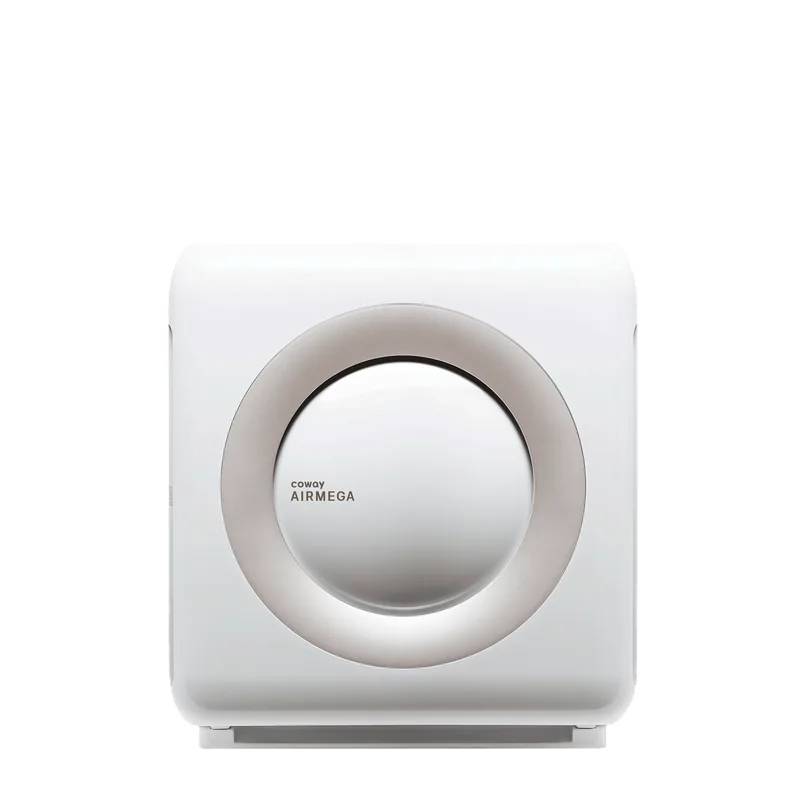
For most homes, the Coway Airmega AP-1512HH provides the best balance of proven performance and value:
Sources & References
- EPA Guide to Air Cleaners in the Home — Comprehensive guidance on portable air cleaners and their effectiveness for residential use
- American Lung Association - Indoor Air Quality — Supports use of HEPA air purifiers for reducing indoor air pollutants and improving respiratory health
- AHAM (Association of Home Appliance Manufacturers) — Administers the CADR certification program used to rate air purifier performance
- WHO Air Quality Guidelines — Global standards for acceptable particulate matter levels in indoor and outdoor environments
This guide was researched and written by the AirQualityNest editorial team. We update our content regularly to reflect the latest products, pricing, and research.
Frequently Asked Questions
Do air purifiers remove COVID and other viruses?+
HEPA filters can capture virus-carrying aerosol particles (which are typically 0.5-5 microns). However, air purifiers should not be considered a primary defense against airborne illness. They are one layer in a multi-layered approach that includes ventilation and filtration.
How long does it take for an air purifier to clean a room?+
A properly sized HEPA purifier can reduce PM2.5 levels by 90%+ within 30 minutes in a sealed room. In real-world conditions (with doors opening, cooking, etc.), expect continuous improvement over 1-2 hours.
Should I run my air purifier 24/7?+
Yes. The health studies showing benefits ran purifiers continuously. Particles constantly enter your home, so continuous operation provides the best protection. Most quality purifiers cost only $2-5/month in electricity on their lowest setting.
Are air purifiers a waste of money?+
No, if you buy a True HEPA model appropriately sized for your room. The scientific evidence supports meaningful reductions in airborne particles and allergens. However, ionizer-only or ozone-generating devices without HEPA filters are generally not recommended.
Dive Deeper
What Is a HEPA Filter?
Understand how HEPA filtration works and why filter grade matters
Best Air Purifiers for Allergies
Our top 5 lab-tested picks for allergy sufferers
How to Reduce Dust in Your Home
12 proven strategies beyond air purifiers
How to Test Your Home Air Quality
Measure your indoor air quality to see your purifier's impact
Best Air Quality Monitors
Track your purifier's real-world impact with these monitors
Continue Reading
Best Air Purifiers for Open Floor Plans in 2026: High-CADR Models That Cover It All
The best air purifiers for open floor plans ranked by CADR, coverage area, and noise. High-performance HEPA purifiers that handle 500-1,500+ sq. ft. open spaces.
Best Smart Humidifiers in 2026 (Wi-Fi, App Control & Auto Humidity)
The best smart humidifiers with Wi-Fi, app control, and auto humidity adjustment. Top picks for Alexa, Google Home, and smart home integration.
The 5 Best Portable Air Quality Monitors in 2026
Monitor your air quality on the go. We tested the best portable and compact air quality monitors for accuracy, battery life, and sensor range.