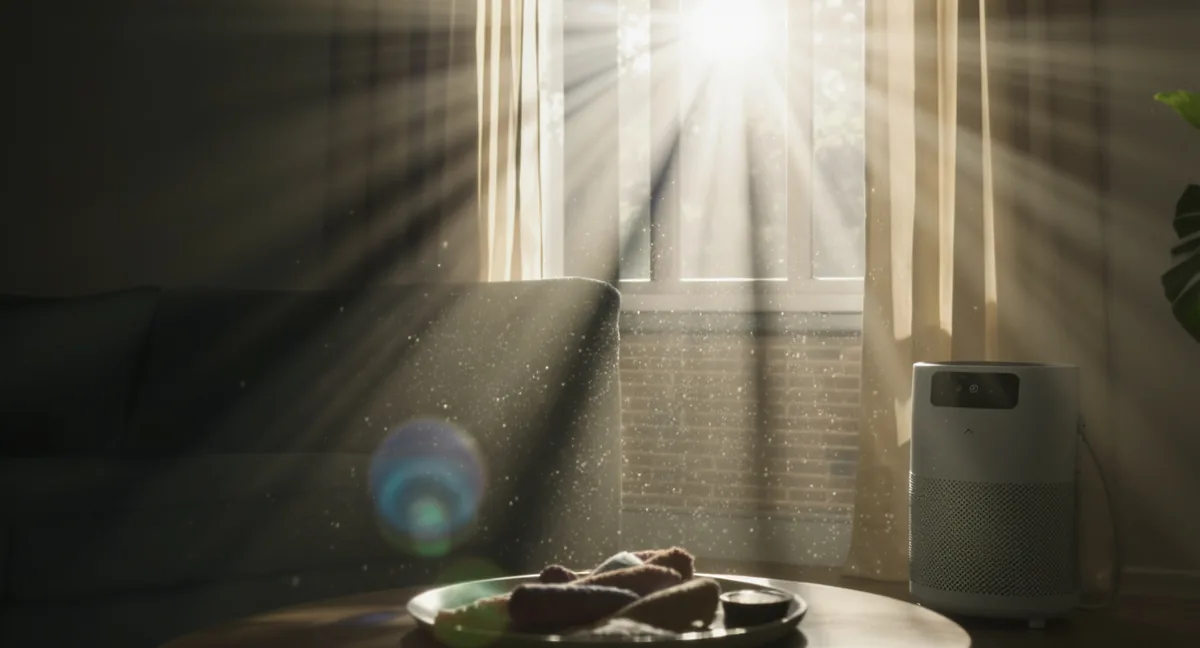
Dust is not just annoying — it is a health concern. Household dust contains a cocktail of dead skin cells, dust mite waste, pollen, pet dander, fabric fibers, and fine particulate matter. For allergy sufferers and people with asthma, reducing dust is not optional — it is essential.
After years of testing air quality products and researching indoor air science, here are the 12 most effective strategies for reducing dust in your home, ranked by impact.
Key Takeaways
- 1A HEPA air purifier running 24/7 reduces airborne dust (PM2.5) by 95-99% within 30-60 minutes in a properly sized room
- 2Upgrading your HVAC filter from fiberglass (MERV 1-4) to MERV 13 provides whole-home dust filtration — replace every 90 days (60 days with pets)
- 380% of household dust enters through doors and on shoes according to EPA estimates; a no-shoes policy dramatically reduces tracked-in contaminants
- 4Maintain humidity at 40-50% — below 30% increases airborne skin flakes and fiber shedding, above 50% allows dust mites to thrive
- 5Allergen-proof mattress encasements reduce dust mite allergen exposure by over 90%; wash bedding weekly at 130°F to kill dust mites
Quick Answer
How do I reduce dust in my home?
The most effective dust reduction strategy combines continuous HEPA air purification (reduces airborne dust by 95-99%), upgrading your HVAC filter to MERV 13, weekly HEPA vacuuming, and washing bedding in hot water (130°F). Removing shoes at the door eliminates 80% of tracked-in particles, and keeping humidity between 40-50% prevents dust mites from thriving.
1. Run a HEPA Air Purifier 24/7
Impact: Very High
This is the single most effective way to reduce airborne dust. A True HEPA air purifier captures 99.97% of particles down to 0.3 microns — including the fine dust particles that stay suspended in the air for hours and trigger allergies.
In our testing, a properly sized HEPA purifier reduces airborne PM2.5 (fine dust) by 95-99% within 30-60 minutes. The key requirements:
- True HEPA or H13 filter — not "HEPA-type" or "HEPA-like"
- Proper sizing — your purifier's Smoke CADR should be at least 2/3 of your room's square footage
- Continuous operation — dust particles are constantly generated, so your purifier needs to run all the time
Our top-tested purifiers for dust reduction:
For bedrooms under 250 square feet, the budget-friendly Levoit Core 300 ($99) is an excellent choice.
2. Upgrade Your HVAC Filter
Impact: Very High
Your central HVAC system moves all the air in your home through a filter — potentially the most powerful dust reduction tool you already own. But most homes use cheap fiberglass filters (MERV 1-4) that only catch large debris.
Upgrade to a MERV 13 filter for dramatically better dust filtration:
| Filter Rating | What It Catches | Dust Reduction |
|---|---|---|
| MERV 1-4 | Large debris only | Minimal |
| MERV 8 | Dust mites, mold spores | Moderate |
| MERV 11 | Fine dust, pet dander | Good |
| MERV 13 | Smoke, bacteria, fine PM2.5 | Excellent |
Important: Check that your HVAC system can handle a MERV 13 filter. Higher-rated filters restrict airflow, and some older systems may struggle. Consult your HVAC manual or a technician before upgrading above MERV 11.
Replace your HVAC filter every 90 days — or monthly if you have pets or live in a dusty area.
3. Use a HEPA Vacuum (Not a Regular Vacuum)
Impact: High
Standard vacuums catch large debris but exhaust fine dust particles back into the air through their exhaust. A HEPA vacuum traps those particles instead of recirculating them.
Vacuum high-traffic areas at least twice per week. Focus on:
- Carpets and rugs (the largest dust reservoirs in most homes)
- Upholstered furniture
- Under beds and behind furniture
- Along baseboards where dust accumulates
If you have wall-to-wall carpet, consider replacing it with hard flooring. Carpets trap 10-50 times more dust than hard floors and release it back into the air when walked on.
4. Wash Bedding Weekly in Hot Water
Impact: High
Your bed is a dust factory. Dead skin cells, dust mite waste, and fabric fibers accumulate rapidly in sheets, pillowcases, and blankets.
Wash all bedding weekly in water at least 130 degrees Fahrenheit (54 degrees Celsius) — the temperature needed to kill dust mites. Warm or cold water removes surface dust but leaves mites alive to reproduce.
Use allergen-proof mattress and pillow encasements to create a barrier between dust mites and your sleeping surface. This alone can reduce dust mite allergen exposure by over 90%.
5. Damp-Dust Instead of Dry-Dust
Impact: Medium-High
Dry dusting with a cloth or feather duster simply moves dust into the air where you breathe it. Within minutes, the same dust settles back onto surfaces.
Instead, use a damp microfiber cloth. The moisture traps dust particles on contact, and the microfiber's dense weave captures particles that cotton cloths miss.
For best results:
- Dust from top to bottom (shelves first, then tables, then floors)
- Rinse and re-dampen the cloth frequently
- Dust at least once per week
6. Control Humidity (40-50%)
Impact: Medium-High
Humidity levels directly affect dust in two ways:
- Too dry (below 30%) — Skin flakes more readily, fabrics shed more fibers, and dust particles stay airborne longer
- Too humid (above 50%) — Dust mites thrive and reproduce rapidly
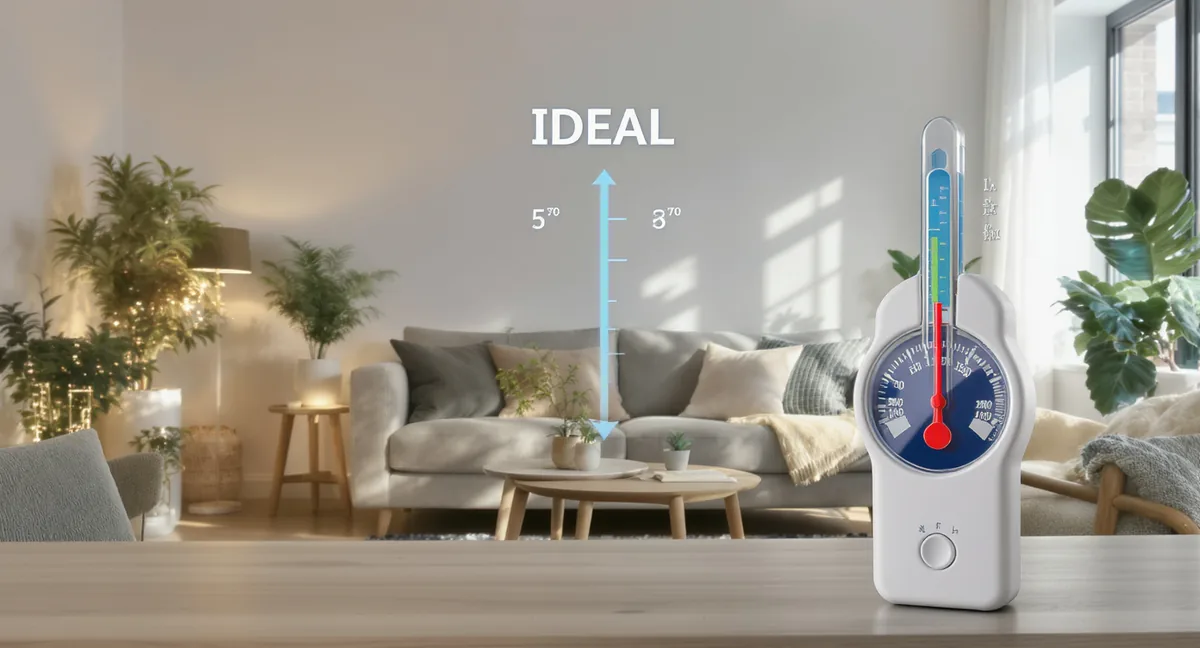
The sweet spot is 40-50% relative humidity. Use a hygrometer to monitor your levels. If your home is too dry, a quality humidifier helps. If it is too humid — especially in basements — a dehumidifier is essential.
An air quality monitor like the Airthings View Plus can track humidity continuously and alert you when levels drift outside the optimal range.
7. Seal Air Leaks
Impact: Medium
Outdoor dust, pollen, and particulate matter enter your home through gaps around windows, doors, electrical outlets, and HVAC ducts. In older homes, these leaks can account for a significant portion of indoor dust.
Check and seal:
- Window and door weatherstripping
- Gaps around electrical outlets on exterior walls
- Cracks in the foundation
- Duct joints and connections (use mastic sealant, not duct tape)
8. Use Door Mats and Remove Shoes
Impact: Medium
Studies show that 80% of household dust enters through doors and on shoes. Two simple changes make a measurable difference:
- Place coarse-fiber doormats at every entrance (both inside and outside)
- Adopt a no-shoes-indoors policy
The EPA estimates that removing shoes at the door reduces lead dust by 60% — and similar reductions apply to soil, pollen, and other outdoor contaminants.
9. Groom Pets Regularly
Impact: Medium (if you have pets)
Pet dander is one of the top contributors to household dust. Dogs and cats shed skin flakes and fur continuously, adding significantly to your dust load.
- Brush pets outdoors 2-3 times per week
- Bathe pets monthly (or as recommended by your vet)
- Keep pets off beds and upholstered furniture if possible
- Wash pet bedding weekly
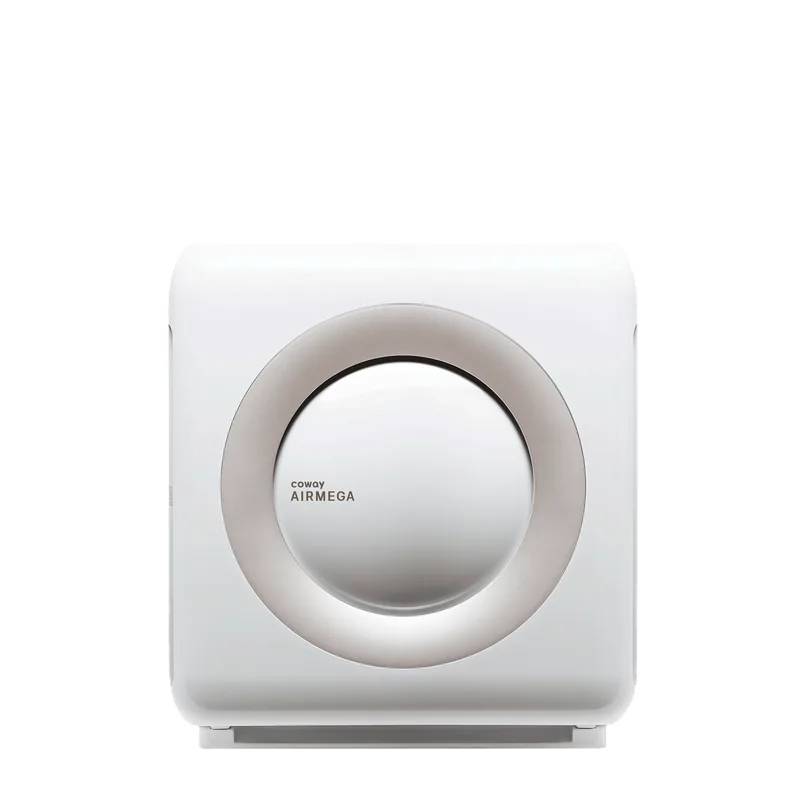
A HEPA air purifier in rooms where pets spend the most time makes a dramatic difference. The Coway Airmega AP-1512HH handles pet dander exceptionally well in rooms up to 360 square feet.
10. Declutter Surfaces
Impact: Medium
Every object on a shelf, counter, or table is a dust collector. Open bookshelves, decorative items, stacked papers, and knick-knacks create surfaces that accumulate dust and make cleaning harder.
- Store items in closed cabinets, drawers, or bins
- Reduce decorative items on surfaces
- Use closed bookshelves or glass-front cabinets
- Move infrequently used items to sealed storage
11. Change and Wash Curtains
Impact: Low-Medium
Fabric curtains trap dust and release it into the air when disturbed. Wash them every 3-6 months, or consider switching to blinds or shutters that can be wiped clean.
If you prefer curtains, choose machine-washable fabrics and vacuum them monthly with your HEPA vacuum's upholstery attachment.
12. Run Exhaust Fans While Cooking
Impact: Low-Medium
Cooking generates significant amounts of fine particulate matter — even simple activities like toasting bread or frying produce PM2.5 spikes. Running your kitchen exhaust fan (vented to the outside) removes these particles before they settle as dust.
If your kitchen exhaust fan recirculates rather than vents outside, a portable HEPA air purifier near the kitchen provides a meaningful backup.
Putting It All Together
No single method eliminates dust completely. The most effective approach combines multiple strategies:
Minimum effective setup:
- HEPA air purifier running 24/7 in your bedroom
- MERV 11+ HVAC filter replaced every 90 days
- Weekly vacuuming with a HEPA vacuum
- Weekly bedding wash in hot water
Optimal setup (for allergy sufferers):
- All of the above, plus:
- HEPA purifiers in every occupied room
- MERV 13 HVAC filter
- Allergen-proof mattress and pillow encasements
- Humidity controlled at 40-50%
- No shoes indoors
The purifiers that performed best for dust reduction in our testing:
Sources & References
- EPA Indoor Air Quality — Research on household dust composition and guidance on reducing indoor particulate matter
- ASHRAE Residential Ventilation Standards — MERV filter rating system and recommendations for residential HVAC filtration
- American Lung Association — Guidance on reducing indoor allergens and dust for respiratory health
- CDC - Dust Mites and Allergens — Recommendations for controlling dust mite exposure including humidity control and bedding practices
This guide was researched and written by the AirQualityNest editorial team. We update our content regularly to reflect the latest products, pricing, and research.
Frequently Asked Questions
Why is my house so dusty even after cleaning?+
Dust is continuously generated from skin cells, fabric fibers, outdoor air infiltration, cooking, and pet dander. Even in a clean home, new dust forms within hours. The solution is not more cleaning — it is continuous filtration with a HEPA air purifier combined with reducing dust sources.
Do air purifiers really help with dust?+
Yes. HEPA air purifiers reduce airborne dust particles by 95-99% in properly sized rooms. They capture the fine particles that stay suspended in the air for hours — the same particles that trigger allergies and settle on surfaces. Running a purifier 24/7 dramatically reduces the rate at which dust accumulates.
What is the best air purifier for dust?+
Any True HEPA purifier properly sized for your room will handle dust effectively. Our top pick is the Coway Airmega AP-1512HH for rooms up to 360 sq. ft. For large rooms, the Blueair Blue Pure 211+ is best. For budget buyers, the Levoit Core 300 covers rooms up to 219 sq. ft. for under $100.
How often should I dust my house?+
Dust surfaces at least once per week using a damp microfiber cloth. High-traffic areas and homes with pets may need dusting twice per week. Always dust from top to bottom and use a damp cloth rather than dry dusting, which just redistributes particles.
Does opening windows reduce dust?+
It depends on your outdoor air quality. If you live near busy roads, construction, or in an area with poor air quality, opening windows can actually increase indoor dust. In rural or clean-air areas, ventilation can help. A better strategy is to keep windows closed and use HEPA filtration.
Related Reading
Best Air Purifiers for Dust
HEPA purifiers specifically rated for dust removal
HEPA Filters Explained
How True HEPA captures 99.97% of dust particles
Air Purifier Maintenance Guide
Keep your purifier running at peak dust-catching performance
Best Air Purifiers for Allergies
Dust triggers allergies — these purifiers help most
How to Improve Indoor Air Quality
Complete guide to cleaner air beyond just dust control
Continue Reading

Best Air Purifiers for Open Floor Plans in 2026: High-CADR Models That Cover It All
The best air purifiers for open floor plans ranked by CADR, coverage area, and noise. High-performance HEPA purifiers that handle 500-1,500+ sq. ft. open spaces.
Best Smart Humidifiers in 2026 (Wi-Fi, App Control & Auto Humidity)
The best smart humidifiers with Wi-Fi, app control, and auto humidity adjustment. Top picks for Alexa, Google Home, and smart home integration.
The 5 Best Portable Air Quality Monitors in 2026
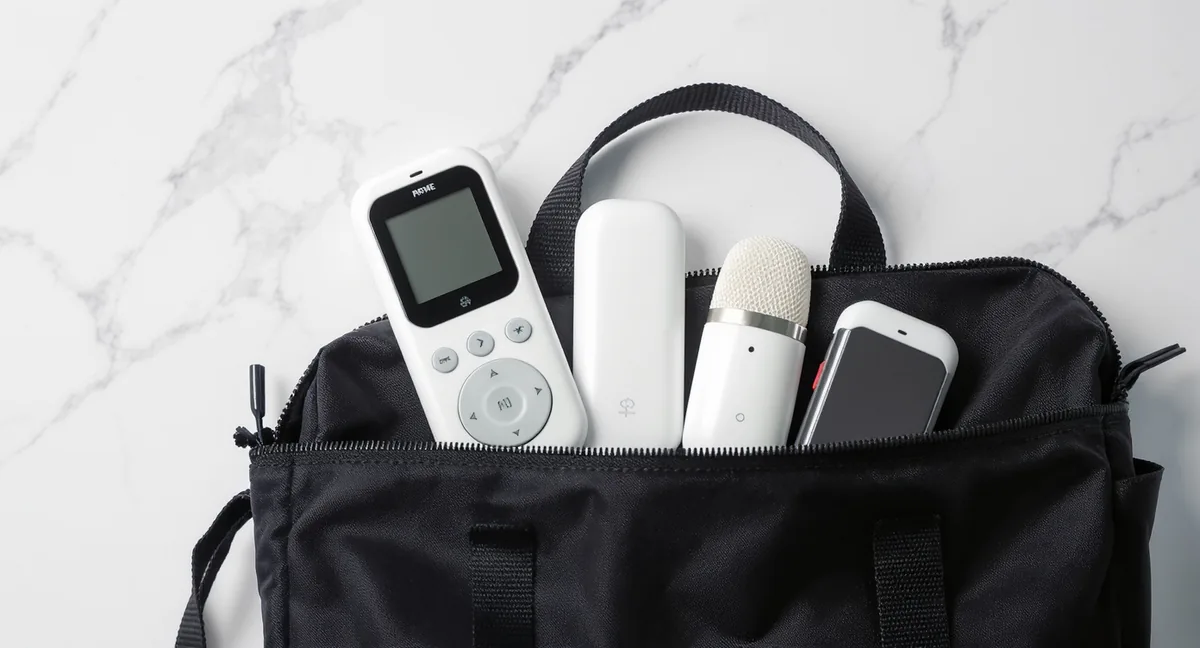
Monitor your air quality on the go. We tested the best portable and compact air quality monitors for accuracy, battery life, and sensor range.