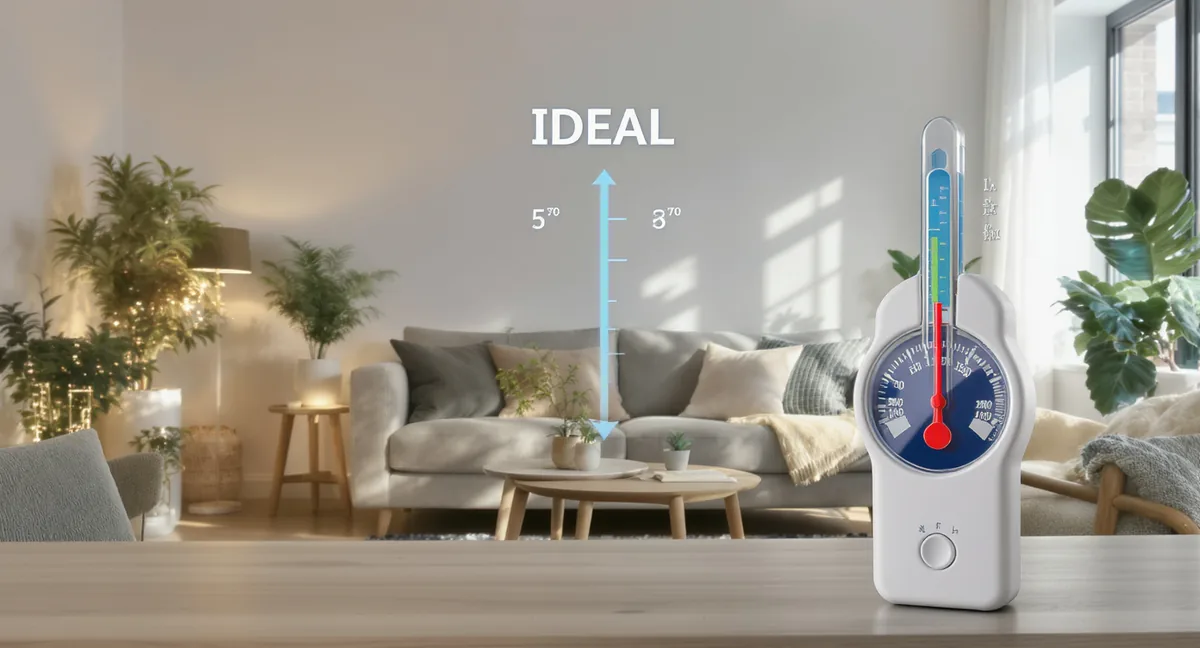
Humidity — the amount of moisture in the air — has a profound impact on your comfort, health, and even the structural integrity of your home. Yet most people only think about it when the air feels uncomfortably dry in winter or oppressively muggy in summer. Maintaining optimal humidity year-round is one of the simplest and most impactful things you can do for your indoor environment.
The EPA and the American Society of Heating, Refrigerating, and Air-Conditioning Engineers (ASHRAE) both recommend keeping indoor relative humidity between 30% and 50%. This range minimizes health risks, prevents structural damage, and feels comfortable for most people.
What Happens When Humidity Is Too Low
When indoor relative humidity drops below 30% — common during winter when heating systems dry out the air — you may experience:
- Dry, cracked skin and lips — Low moisture pulls water from your skin's surface
- Irritated sinuses and nosebleeds — Dried-out nasal passages crack and bleed
- Sore throat and dry cough — Your respiratory lining loses its protective mucus layer
- Increased static electricity — Annoying shocks that can also damage electronics
- Worsened cold and flu symptoms — Studies show influenza virus survives longer and spreads more easily in dry air
- Cracking wood floors and furniture — Solid wood shrinks as it loses moisture
Research from Yale University found that mice exposed to low-humidity air had impaired mucociliary clearance (the mechanism that sweeps pathogens out of your airways) and a weakened immune response to influenza. The practical implication is clear: dry air makes you more vulnerable to respiratory infections.
What Happens When Humidity Is Too High
When indoor humidity climbs above 50-60%, a different set of problems emerges:
- Mold and mildew growth — Mold thrives at humidity above 60%, producing spores that trigger allergies and asthma
- Dust mite proliferation — Dust mites need humidity above 50% to survive and reproduce
- Musty odors — A telltale sign of excess moisture and potential mold
- Condensation on windows — Water collecting on glass indicates the air holds more moisture than surfaces can handle
- Wood warping and paint peeling — Excess moisture causes structural materials to swell and degrade
- Bacterial growth — Warm, humid environments encourage bacterial colonies
The sweet spot of 30-50% starves mold and dust mites of the moisture they need while keeping your respiratory system healthy and comfortable.
How to Measure Indoor Humidity
A hygrometer measures relative humidity. Many options are available:
| Device Type | Accuracy | Price Range | Best For |
|---|---|---|---|
| Basic digital hygrometer | +/- 5% | $8-15 | Single-room spot checks |
| Smart home sensor | +/- 3% | $20-40 | Continuous monitoring with app alerts |
| Air quality monitor with humidity | +/- 2-3% | $80-200 | Comprehensive indoor environment tracking |
| Weather station | +/- 3% | $50-150 | Indoor and outdoor humidity comparison |
For the most useful data, choose a device that logs readings over time so you can identify patterns — for example, humidity spikes after cooking or drops overnight when the furnace runs.
When to Use a Humidifier
You need a humidifier when indoor humidity consistently falls below 30%, which typically happens during:
- Winter months in cold climates (forced-air heating is the biggest culprit)
- Dry climates year-round (Southwest U.S., high-altitude areas)
- After illness to soothe respiratory irritation
Pro tip: A cool-mist or evaporative humidifier is safer than warm-mist models, especially in homes with children. Warm-mist humidifiers pose a burn risk and can overshoot target humidity more easily.
When to Use a Dehumidifier
You need a dehumidifier when indoor humidity consistently exceeds 50%, common in:
- Basements — Below-grade spaces trap ground moisture
- Bathrooms without exhaust fans — Steam from showers accumulates
- Summer months in humid climates (Southeast U.S., coastal areas)
- Homes with water intrusion — Leaks, flooding, or poor drainage
- After water damage — Critical for preventing mold growth
Recommended Products
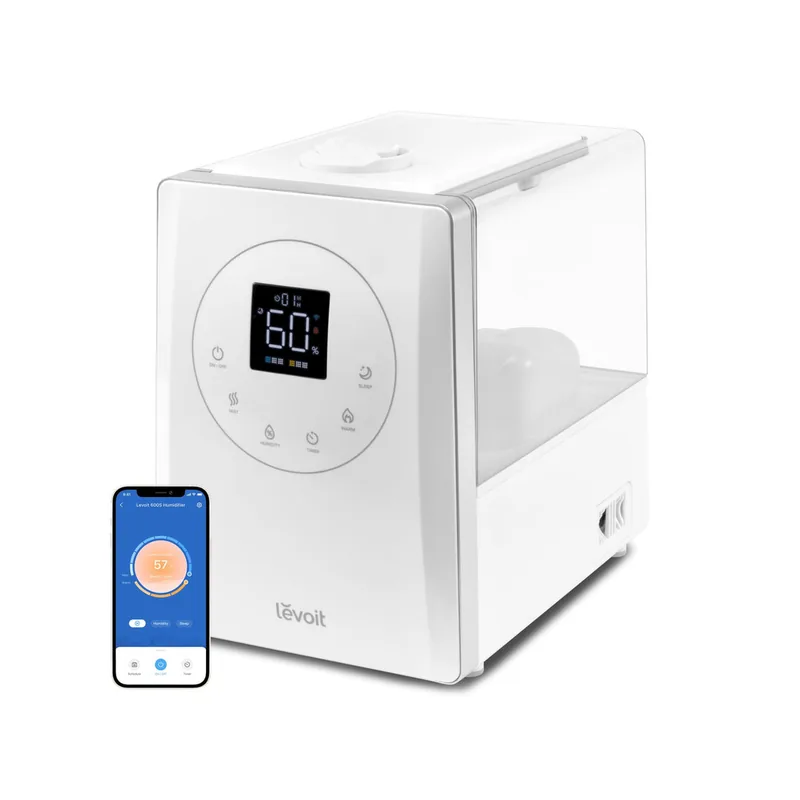
The Levoit LV600S is our top-rated humidifier for medium to large rooms. Its warm and cool mist options, 6-liter tank, and smart app control make it easy to maintain precise humidity levels through dry winter months.
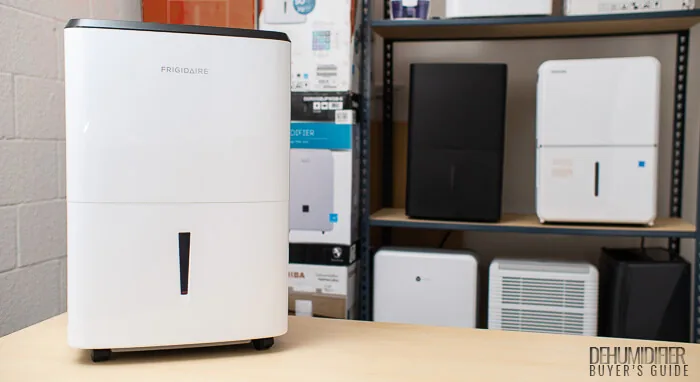
For humidity control on the other end of the spectrum, the Frigidaire 50-pint dehumidifier handles basements and large rooms efficiently. Its continuous drain option means you never have to empty a bucket.
The Bottom Line
Humidity is not just about comfort — it directly affects your respiratory health, immune function, and the condition of your home. Invest in a hygrometer to know where you stand, then use a humidifier or dehumidifier to stay within the 30-50% range. Your sinuses, your skin, and your wood floors will all benefit.
This guide was researched and written by the AirQualityNest editorial team. We update our content regularly to reflect the latest products, pricing, and research.
Continue Reading
Do I Need a Dehumidifier?
Signs you need a dehumidifier and how to choose the right one
Air Purifier vs Humidifier
Understanding the difference and when you need each
How to Improve Indoor Air Quality
Comprehensive strategies for cleaner indoor air
Winter Dry Air Solutions
How to fix low humidity during heating season
Best Evaporative Humidifiers
Top evaporative humidifiers with no white dust
Continue Reading

Best Air Purifiers for Open Floor Plans in 2026: High-CADR Models That Cover It All
The best air purifiers for open floor plans ranked by CADR, coverage area, and noise. High-performance HEPA purifiers that handle 500-1,500+ sq. ft. open spaces.
Best Smart Humidifiers in 2026 (Wi-Fi, App Control & Auto Humidity)
The best smart humidifiers with Wi-Fi, app control, and auto humidity adjustment. Top picks for Alexa, Google Home, and smart home integration.
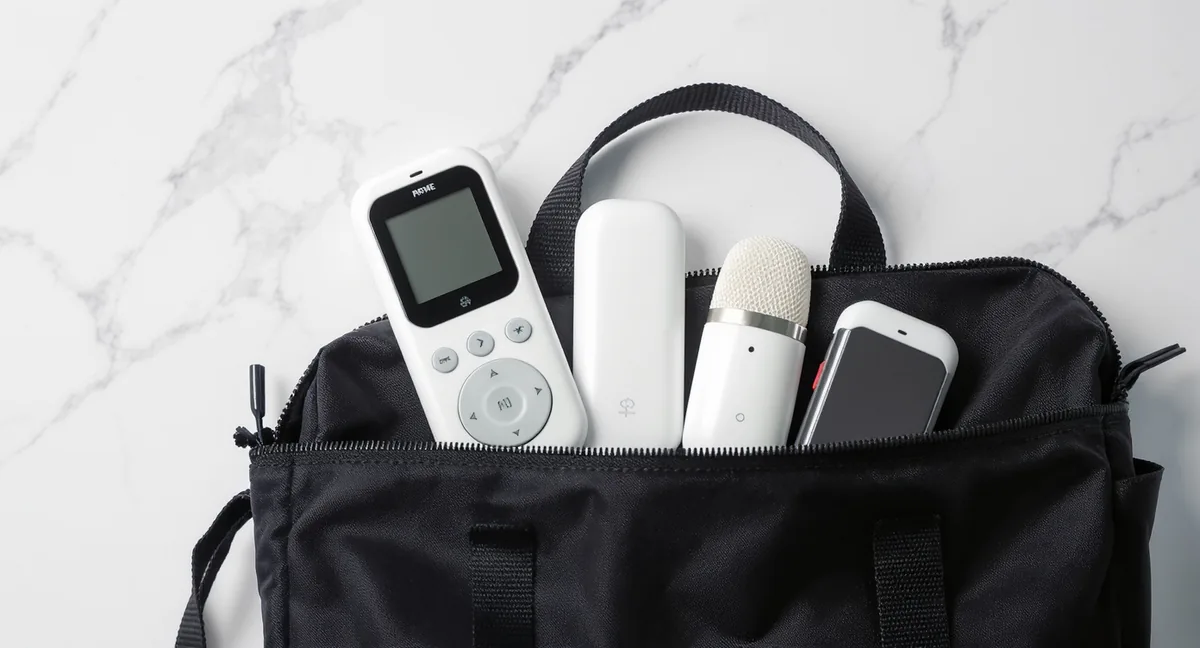
The 5 Best Portable Air Quality Monitors in 2026
Monitor your air quality on the go. We tested the best portable and compact air quality monitors for accuracy, battery life, and sensor range.