
The Air Quality Index (AQI) is a standardized measurement used by the EPA and environmental agencies worldwide to communicate how clean or polluted the air is. It translates complex pollutant concentration data into a simple 0-500 scale that anyone can understand — the higher the number, the greater the health concern.
Understanding AQI is one of the most practical things you can do to protect your family's health. Whether you live near a highway, in a wildfire-prone region, or simply want to know when it is safe to exercise outdoors, AQI gives you the answer in seconds.
Key Takeaways
- 1AQI is a 0-500 scale measuring five pollutants: ground-level ozone, PM2.5, PM10, carbon monoxide, sulfur dioxide, and nitrogen dioxide
- 2AQI below 50 (green) is good; above 100 (orange) is unhealthy for sensitive groups including children, elderly, and those with asthma or heart disease
- 3AQI above 150 (red) is unhealthy for everyone — limit outdoor activity; above 300 (maroon) is hazardous emergency conditions
- 4Indoor air can be 2-5x more polluted than outdoor air per the EPA, making indoor monitoring equally important
- 5The highest individual pollutant reading becomes the overall AQI — if PM2.5 reads 120 and ozone reads 85, the reported AQI is 120
Quick Answer
What is the Air Quality Index (AQI)?
The Air Quality Index (AQI) is a standardized 0-500 scale used by the EPA to communicate air pollution levels. AQI below 50 is considered good, while readings above 100 pose health risks for sensitive groups (children, elderly, people with asthma). AQI above 150 is unhealthy for everyone. Check your local AQI at AirNow.gov or through weather apps before outdoor activities.
How AQI Is Calculated
The AQI tracks five major pollutants regulated under the Clean Air Act:
- Ground-level ozone (O3) — Formed when sunlight reacts with vehicle and industrial emissions
- Particulate matter (PM2.5 and PM10) — Fine and coarse particles from combustion, dust, and smoke
- Carbon monoxide (CO) — Primarily from vehicle exhaust and fuel combustion
- Sulfur dioxide (SO2) — From power plants and industrial processes
- Nitrogen dioxide (NO2) — From vehicles and power generation
Each pollutant is measured independently, and the highest individual reading becomes the overall AQI value for that location. For example, if PM2.5 reads 120 and ozone reads 85, the reported AQI is 120.
AQI Levels and What They Mean
| AQI Range | Color | Level of Concern | Health Implications |
|---|---|---|---|
| 0-50 | Green | Good | Air quality is satisfactory with little or no risk. |
| 51-100 | Yellow | Moderate | Acceptable, but sensitive individuals may experience mild effects. |
| 101-150 | Orange | Unhealthy for Sensitive Groups | Children, elderly, and those with respiratory conditions should limit prolonged outdoor exertion. |
| 151-200 | Red | Unhealthy | Everyone may begin to experience health effects. Sensitive groups face serious risk. |
| 201-300 | Purple | Very Unhealthy | Health alert — everyone is likely to be affected. Limit all outdoor activity. |
| 301-500 | Maroon | Hazardous | Emergency conditions. Stay indoors with windows sealed and air purifiers running. |
The critical threshold is 100. Below 100, air quality is generally acceptable for most people. Above 100, vulnerable populations need to take precautions.
Who Is Considered "Sensitive"?
The EPA defines sensitive groups as people with:
- Asthma or COPD — Pollutants trigger airway inflammation and attacks
- Heart disease — PM2.5 particles enter the bloodstream and stress the cardiovascular system
- Children under 14 — Their lungs are still developing, and they breathe more air per pound of body weight
- Adults over 65 — Reduced immune response and higher rates of existing conditions
- Pregnant women — Pollution exposure is linked to preterm birth and low birth weight
If you or a family member falls into any of these groups, monitoring AQI daily should be part of your routine.
How to Check Your Local AQI
There are several reliable ways to monitor air quality:
- AirNow.gov — The EPA's official AQI reporting site with real-time data and forecasts for every U.S. zip code.
- IQAir and PurpleAir maps — Crowdsourced sensor networks that provide hyperlocal readings, often more granular than government stations.
- Weather apps — Most major weather apps now include AQI readings on their daily forecasts.
- Home air quality monitors — Devices that track indoor AQI, PM2.5, CO2, VOCs, humidity, and temperature in real time.
For the most actionable data, we recommend pairing an outdoor AQI check with an indoor air quality monitor. Outdoor readings tell you when to keep windows closed; indoor readings tell you whether your purifier and ventilation are doing their jobs.
Why Indoor AQI Matters More Than You Think
The EPA estimates that indoor air can be 2 to 5 times more polluted than outdoor air. Cooking, cleaning products, off-gassing furniture, and inadequate ventilation all contribute. On days when outdoor AQI is high, opening windows can make indoor air significantly worse — but keeping everything sealed without mechanical filtration allows indoor pollutants to accumulate.
A dedicated indoor air quality monitor gives you visibility into your home environment and helps you make informed decisions about ventilation, purification, and daily activities.
Recommended Products
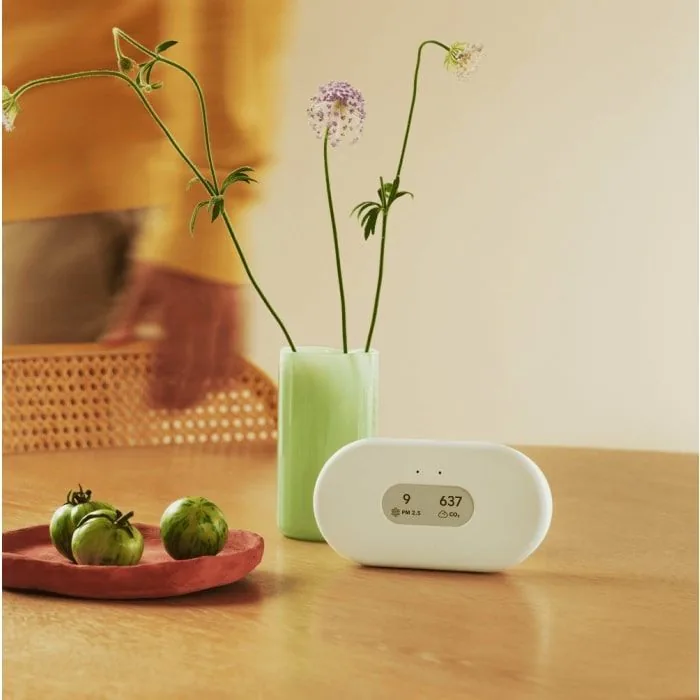
The Airthings View Plus tracks PM2.5, CO2, VOCs, humidity, temperature, radon, and barometric pressure — making it the most comprehensive home air quality monitor we have tested.
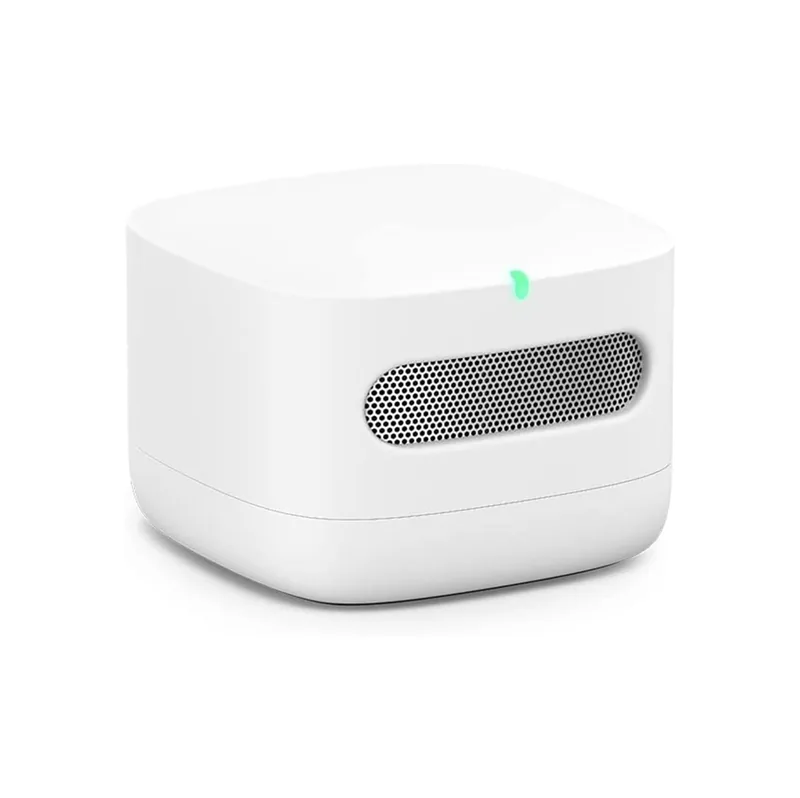
For a budget-friendly option, the Amazon Air Quality Monitor provides reliable PM2.5 and AQI readings with Alexa integration for voice-activated air quality checks.
The Bottom Line
The Air Quality Index is your simplest tool for understanding whether the air you breathe is safe. Learn the color codes, check AQI before outdoor activities, and invest in an indoor monitor to close the visibility gap inside your home. When outdoor AQI climbs above 100, close your windows and let a HEPA air purifier do the work — your lungs will thank you.
Sources & References
- EPA AirNow - Air Quality Index Basics — Official EPA resource for real-time AQI data, forecasts, and explanation of AQI categories
- EPA Clean Air Act — Establishes the five criteria pollutants tracked by the AQI and their National Ambient Air Quality Standards
- WHO Global Air Quality Guidelines — International guidelines on acceptable air pollutant concentrations for human health
- American Lung Association - State of the Air — Annual report on U.S. air quality trends and health impacts of air pollution
This guide was researched and written by the AirQualityNest editorial team. We update our content regularly to reflect the latest products, pricing, and research.
Continue Reading
How to Test Your Home Air Quality
A complete guide to testing and monitoring the air inside your home
How to Improve Indoor Air Quality
Practical steps to reduce pollutants and breathe cleaner air
Do Air Purifiers Really Work?
The science behind air purifiers and what they can actually do
Best Air Quality Monitors
Track AQI at home with these top-rated monitors
Wildfire Smoke Indoor Air Guide
Protect your home when outdoor AQI spikes during fire season
Continue Reading

Best Air Purifiers for Open Floor Plans in 2026: High-CADR Models That Cover It All
The best air purifiers for open floor plans ranked by CADR, coverage area, and noise. High-performance HEPA purifiers that handle 500-1,500+ sq. ft. open spaces.
Best Smart Humidifiers in 2026 (Wi-Fi, App Control & Auto Humidity)
The best smart humidifiers with Wi-Fi, app control, and auto humidity adjustment. Top picks for Alexa, Google Home, and smart home integration.
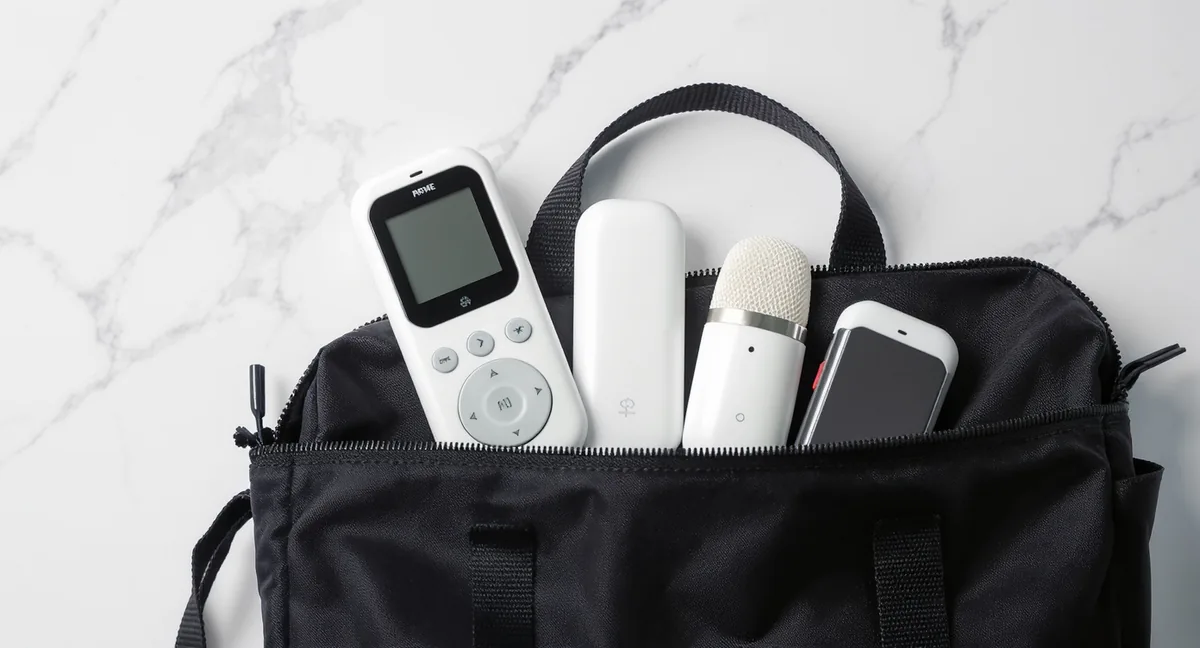
The 5 Best Portable Air Quality Monitors in 2026
Monitor your air quality on the go. We tested the best portable and compact air quality monitors for accuracy, battery life, and sensor range.