Volatile Organic Compounds (VOCs) are gases emitted by thousands of everyday household products. They evaporate at room temperature and enter the air you breathe — often without any visible sign or noticeable odor. The EPA has found that VOC concentrations are consistently 2 to 5 times higher indoors than outdoors, making them one of the most widespread yet overlooked threats to indoor air quality.
Unlike dust or pollen, VOCs are invisible and pass straight through standard HEPA filters. Removing them requires a different approach — and understanding what produces them in the first place.
Common Sources of VOCs in Your Home
VOCs come from an enormous range of products and materials:
Building and Furnishing Materials
- Paint and varnish — Even low-VOC formulas emit formaldehyde and benzene for weeks after application
- New furniture — Particleboard, plywood, and laminate flooring off-gas formaldehyde from adhesive resins
- Carpeting — New carpet releases styrene, toluene, and 4-phenylcyclohexene (the "new carpet smell")
- Insulation and caulking — Spray foam and silicone sealants release isocyanates and acetaldehyde
Household Products
- Cleaning supplies — Bleach, ammonia, and all-purpose cleaners emit chloroform, ethylene glycol, and terpenes
- Air fresheners and candles — Synthetic fragrances release limonene and linalool, which react with ozone to form formaldehyde
- Personal care products — Hairspray, nail polish, and deodorants contain acetone, ethanol, and propylene glycol
- Dry-cleaned clothing — Perchloroethylene (PERC) off-gases from freshly dry-cleaned garments
Other Sources
- Gas stoves and heaters — Incomplete combustion produces benzene and formaldehyde
- Laser printers — Emit styrene and toluene during operation
- Stored fuel and solvents — Gasoline, paint thinner, and hobby supplies in attached garages
Health Effects of VOC Exposure
Short-term exposure to elevated VOCs can cause:
- Headaches and dizziness
- Eye, nose, and throat irritation
- Nausea and fatigue
- Worsened asthma symptoms
Long-term or chronic exposure is far more serious. The EPA and WHO have linked sustained VOC exposure to:
- Liver and kidney damage — From solvents like trichloroethylene
- Central nervous system damage — From benzene and toluene
- Cancer — Formaldehyde and benzene are classified as known human carcinogens by the International Agency for Research on Cancer (IARC)
Children and pregnant women are especially vulnerable because their developing systems are more susceptible to chemical disruption.
How to Measure VOCs in Your Home
Total VOC (TVOC) levels are measured in parts per billion (ppb) or micrograms per cubic meter (ug/m3):
| TVOC Level (ppb) | Air Quality | Action Needed |
|---|---|---|
| 0-250 | Good | No action needed |
| 250-500 | Moderate | Improve ventilation |
| 500-1000 | Poor | Identify and remove sources |
| 1000-3000 | Unhealthy | Ventilate immediately, run carbon filter |
| 3000+ | Dangerous | Leave the space, investigate sources |
A quality indoor air quality monitor with a VOC sensor gives you real-time visibility into these levels, so you can identify spikes and trace them back to their source.
How to Reduce VOCs in Your Home
1. Source Control
The most effective strategy is eliminating or reducing VOC sources. Choose low-VOC or zero-VOC paints, buy solid wood furniture instead of particleboard, and switch to fragrance-free cleaning products. Air out new furniture and mattresses in a well-ventilated area before bringing them into bedrooms.
2. Ventilation
Open windows and use exhaust fans when cooking, cleaning, painting, or using any chemical products. Even 15 minutes of cross-ventilation can dramatically reduce TVOC spikes.
3. Activated Carbon Filtration
HEPA filters do not capture gases. You need an air purifier with a substantial activated carbon filter — ideally one with several pounds of carbon, not just a thin carbon-infused sheet. The carbon adsorbs VOC molecules onto its massive internal surface area, trapping them permanently.
Recommended Products
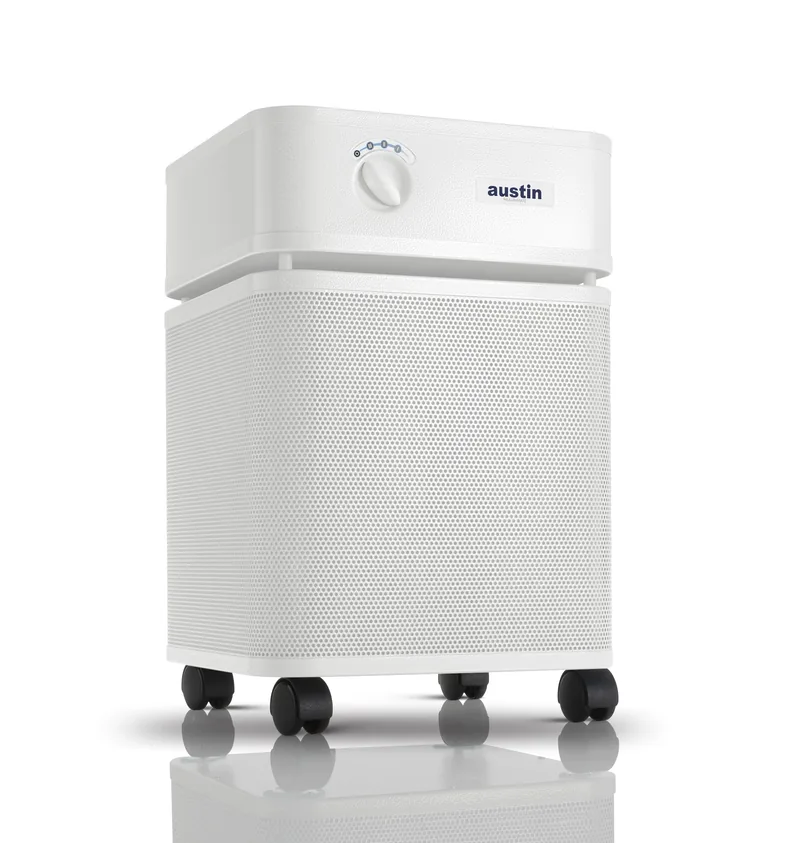
The Austin Air HealthMate contains 15 pounds of activated carbon and zeolite, making it the most effective consumer-grade VOC removal system we have tested. It is our top pick for new construction, renovations, or homes near industrial areas.
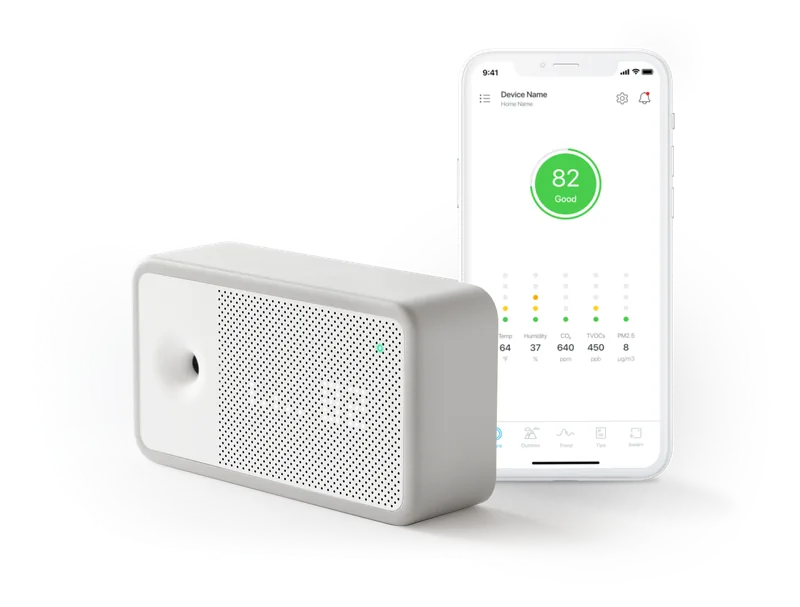
The SAF Aranet4 Home (which has replaced the discontinued Awair Element at $189) provides CO2 and environmental monitoring. For VOC-specific tracking, pair it with the Airthings View Plus which includes a dedicated VOC sensor alongside PM2.5, CO2, and radon.
The Bottom Line
VOCs are a hidden but significant threat to your indoor air quality. The "new home smell" or "fresh paint scent" you notice is actually a cocktail of harmful chemicals entering your lungs. Prioritize source control, maintain good ventilation, and invest in an air purifier with a heavy activated carbon filter. Pair it with a VOC monitor so you know your efforts are working — because with VOCs, you cannot trust your nose.
This guide was researched and written by the AirQualityNest editorial team. We update our content regularly to reflect the latest products, pricing, and research.
Continue Reading
Activated Carbon Filters Explained
How carbon filters work and what they actually remove from your air
How to Test Your Home Air Quality
Complete guide to testing and monitoring indoor air
HEPA Filter Explained
Everything you need to know about HEPA filtration technology
Formaldehyde in Your Home
How to detect and reduce formaldehyde exposure
Best Air Purifiers for VOCs
Purifiers with heavy carbon filters for VOC removal
Continue Reading

Best Air Purifiers for Open Floor Plans in 2026: High-CADR Models That Cover It All
The best air purifiers for open floor plans ranked by CADR, coverage area, and noise. High-performance HEPA purifiers that handle 500-1,500+ sq. ft. open spaces.
Best Smart Humidifiers in 2026 (Wi-Fi, App Control & Auto Humidity)
The best smart humidifiers with Wi-Fi, app control, and auto humidity adjustment. Top picks for Alexa, Google Home, and smart home integration.
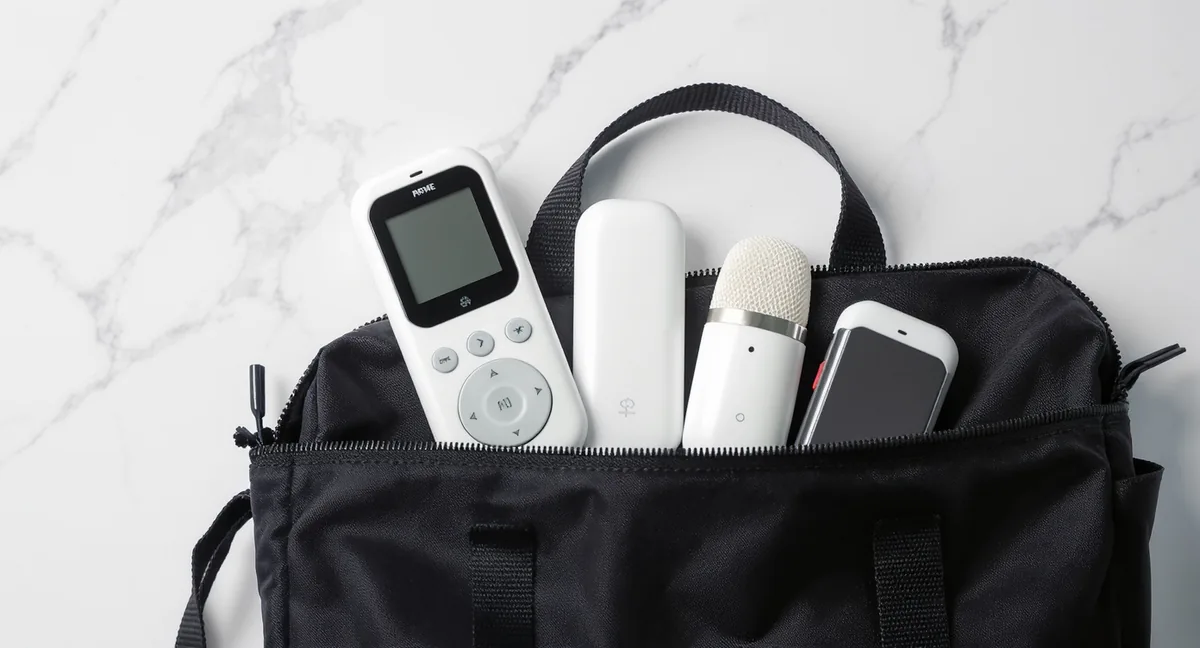
The 5 Best Portable Air Quality Monitors in 2026
Monitor your air quality on the go. We tested the best portable and compact air quality monitors for accuracy, battery life, and sensor range.