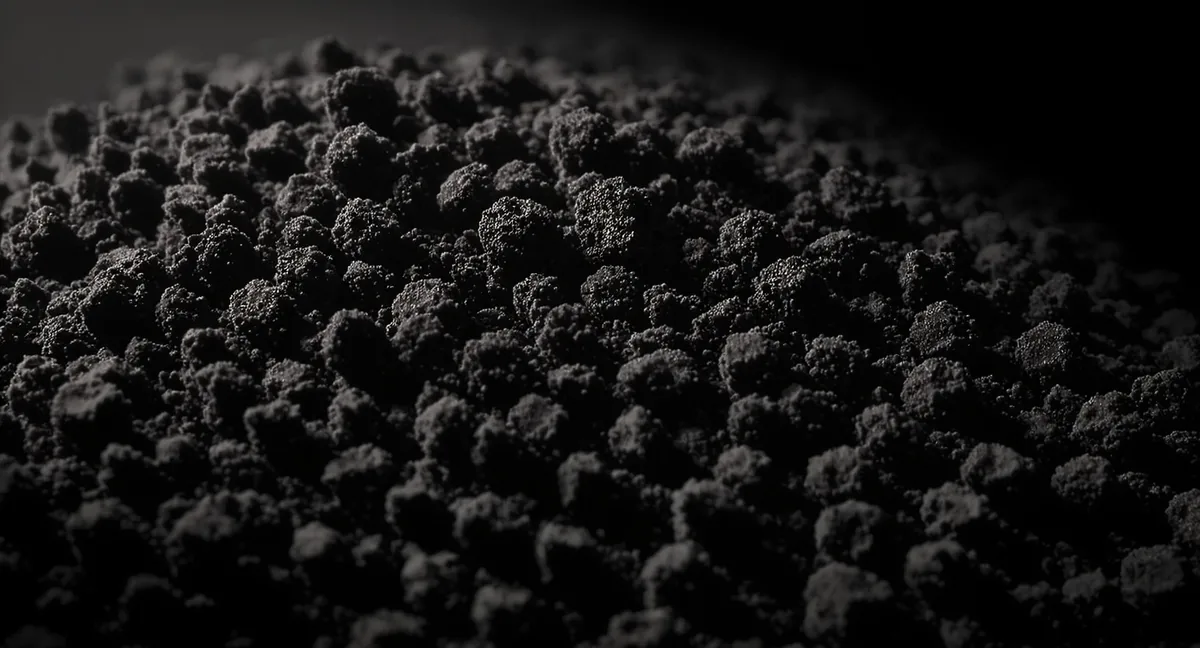
If HEPA filters are the workhorses of particle removal, activated carbon filters are the specialists in gas and odor elimination. They handle an entirely different category of pollutants — volatile organic compounds (VOCs), smoke odors, cooking smells, formaldehyde, and other gaseous chemicals that pass straight through even the best HEPA media.
Understanding how carbon filtration works, what it can and cannot do, and how much carbon you actually need will help you choose a purifier that truly cleans your air — not just the particles in it.
How Activated Carbon Works
Activated carbon starts as a carbon-rich material — typically coconut shells, bamboo, wood, or coal. This raw material is "activated" through a process of heating it to extreme temperatures (600-1200 degrees Celsius) in the presence of steam or specific gases. This process creates an enormous network of microscopic pores.
The result is extraordinary: one gram of activated carbon has a surface area of approximately 3,000 square meters — roughly the area of half a football field. This vast internal surface area is what makes carbon filtration so effective.
When air passes through activated carbon, pollutant molecules are attracted to and trapped on the carbon surface through a process called adsorption (not absorption). The pollutant molecules bond to the carbon surface and are held there permanently — until the carbon's available surface area is fully consumed.
What Activated Carbon Removes
| Pollutant Category | Examples | Effectiveness |
|---|---|---|
| VOCs | Formaldehyde, benzene, toluene, xylene | High (with sufficient carbon weight) |
| Household odors | Cooking smells, pet odors, garbage | High |
| Smoke | Cigarette smoke, wildfire smoke gases | High for gaseous components |
| Chemical fumes | Paint, adhesives, cleaning products | High |
| Ozone | Ground-level ozone | Moderate to high |
What Activated Carbon Does NOT Remove
This is equally important to understand:
- Particulate matter (PM2.5, dust, pollen) — These are physical particles, not gases. You need HEPA for these.
- Carbon monoxide (CO) — Standard activated carbon does not adsorb CO effectively. You need a dedicated CO detector.
- Radon — A radioactive gas that requires mitigation, not filtration.
- Humidity — Carbon does not dehumidify air. It can actually become less effective in very humid environments.
- Carbon dioxide (CO2) — Not adsorbed by standard activated carbon at room temperature.
This is exactly why the best air purifiers combine HEPA and activated carbon in a multi-stage system — each filter handles what the other cannot.
Carbon Weight Matters More Than You Think
Not all carbon filters are created equal. The single most important factor in carbon filter effectiveness is the amount of carbon by weight. Here is a comparison across popular purifiers:
| Air Purifier | Carbon Weight | Type | VOC Removal Rating |
|---|---|---|---|
| Austin Air HealthMate | 15 lbs (6.8 kg) | Granular carbon + zeolite | Exceptional |
| IQAir HealthPro Plus (V5-Cell) | 5 lbs (2.3 kg) | Granular carbon + alumina | Excellent |
| Coway AP-1512HH | ~0.5 lbs (0.2 kg) | Carbon-coated mesh | Moderate |
| Levoit Core 400S | ~0.3 lbs (0.15 kg) | Carbon pellets in filter | Moderate |
| Budget purifiers | Trace amounts | Carbon-infused sheet | Minimal |
The difference is dramatic. A purifier with 15 pounds of granular carbon can adsorb VOCs for years, while a thin carbon sheet becomes saturated in weeks. If VOC removal is a priority for you — due to renovations, new furniture, chemical sensitivities, or living near industrial areas — carbon weight should be a primary purchasing criterion.
Granular vs. Carbon-Impregnated
- Granular activated carbon: Loose carbon pellets packed in a filter canister. Offers the most surface area and longest effective life. Found in Austin Air, IQAir, and other premium models.
- Carbon-impregnated sheets: A thin layer of carbon dust bonded to a fabric or mesh. Much less effective and shorter-lived. Common in budget and mid-range purifiers.
- Carbon pellet wraps: A middle ground — carbon pellets wrapped around the HEPA filter. Better than sheets but less effective than dedicated granular canisters.
When to Replace Your Carbon Filter
Unlike HEPA filters, which show visible discoloration when loaded, saturated carbon filters look identical to fresh ones. Signs that replacement is needed:
- Odors returning — If you notice smells the purifier previously eliminated, the carbon is likely saturated
- Chemical sensitivity symptoms — Headaches or irritation despite the purifier running
- Time elapsed — Follow manufacturer recommendations, adjusted for your environment
- Off-gassing risk — A fully saturated carbon filter can begin releasing trapped chemicals back into the air
General Replacement Timeline
| Environment | Replacement Frequency |
|---|---|
| Normal household | Every 6-12 months |
| Heavy cooking odors | Every 3-6 months |
| Smoker in home | Every 2-4 months |
| Near construction or renovation | Every 2-3 months |
| Heavy carbon filter (5+ lbs) | Every 2-5 years |
Recommended Products
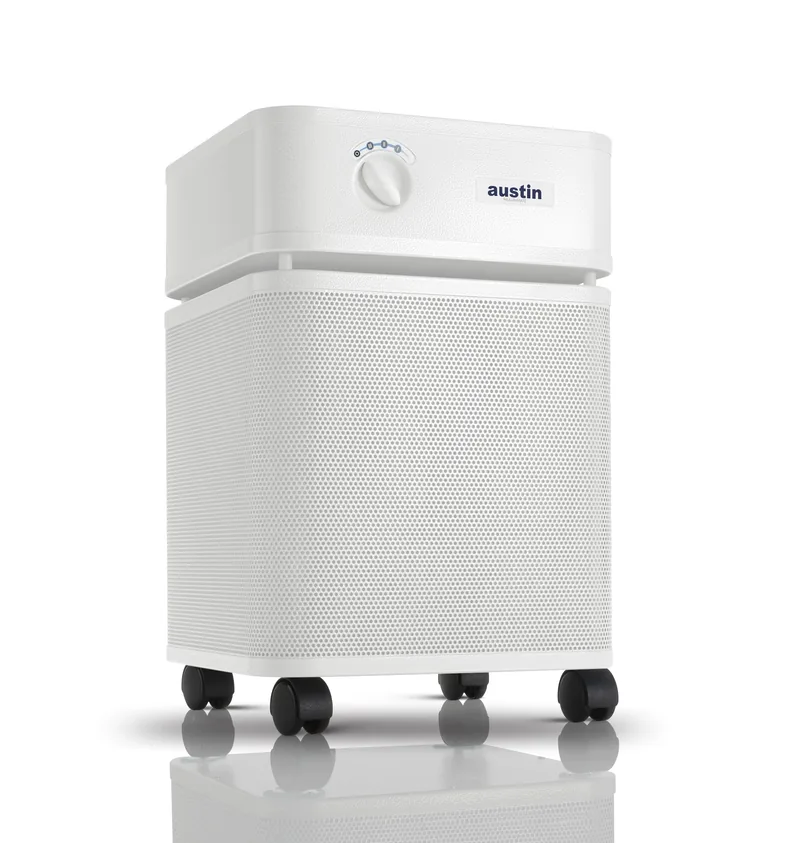
With 15 pounds of activated carbon and zeolite, the Austin Air HealthMate is the gold standard for gas and VOC removal. Its carbon filter lasts up to 5 years under normal conditions — making it the most cost-effective option for long-term chemical filtration.
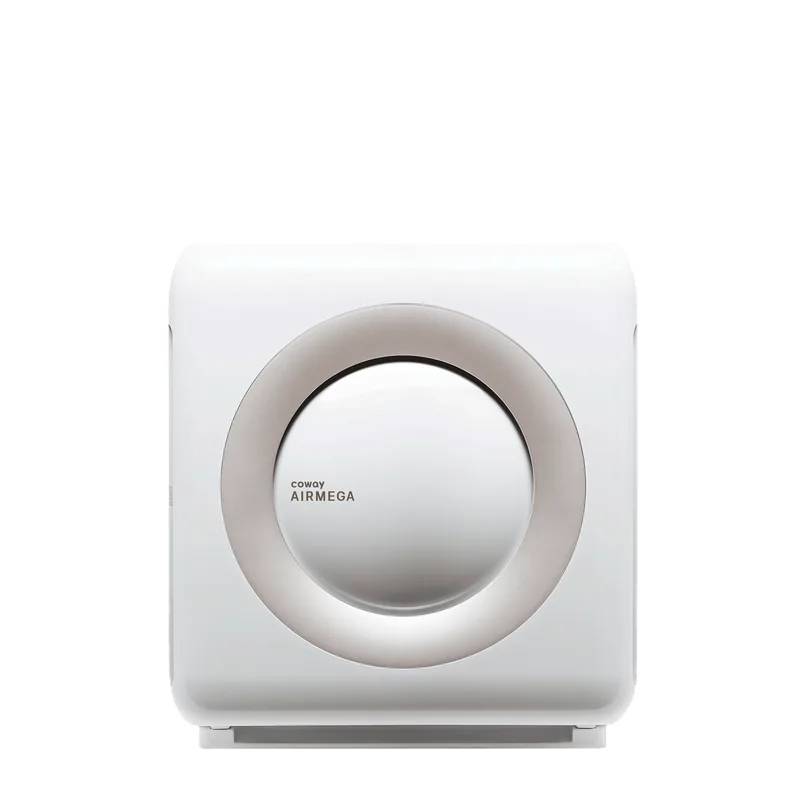
The Coway Mighty pairs a True HEPA filter with a carbon pre-filter that handles everyday odors effectively. While its carbon weight is modest, the affordable replacement cost ($20 every 6 months) keeps it practical for most households.
The Bottom Line
Activated carbon is the only consumer-grade technology that effectively removes gases, VOCs, and odors from indoor air. But not all carbon filters are equal — weight matters enormously. If you primarily need particle removal (allergies, dust, pollen), any purifier with a decent carbon layer will suffice for basic odors. But if VOCs, chemical sensitivities, or smoke gases are your main concern, invest in a purifier with pounds of granular carbon, not grams of carbon dust. Your air quality monitor will confirm the difference.
This guide was researched and written by the AirQualityNest editorial team. We update our content regularly to reflect the latest products, pricing, and research.
Continue Reading
VOCs in Your Home
Sources of volatile organic compounds and how to reduce them
HEPA Filter Explained
Everything you need to know about HEPA filtration technology
Air Purifier Maintenance Guide
How to clean and replace all types of air purifier filters
Best Air Purifiers for VOCs
Purifiers with the heaviest carbon filters for gas removal
Best Air Purifiers for Smoke
Carbon-heavy purifiers that eliminate smoke odors
Continue Reading

Best Air Purifiers for Open Floor Plans in 2026: High-CADR Models That Cover It All
The best air purifiers for open floor plans ranked by CADR, coverage area, and noise. High-performance HEPA purifiers that handle 500-1,500+ sq. ft. open spaces.
Best Smart Humidifiers in 2026 (Wi-Fi, App Control & Auto Humidity)
The best smart humidifiers with Wi-Fi, app control, and auto humidity adjustment. Top picks for Alexa, Google Home, and smart home integration.
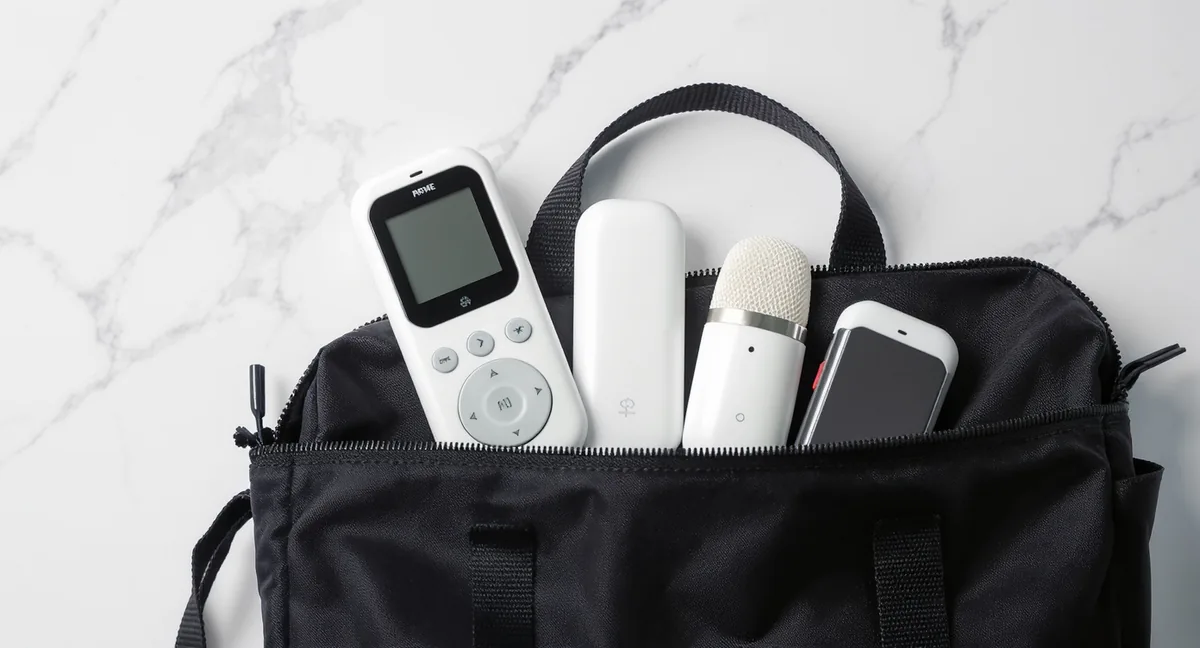
The 5 Best Portable Air Quality Monitors in 2026
Monitor your air quality on the go. We tested the best portable and compact air quality monitors for accuracy, battery life, and sensor range.