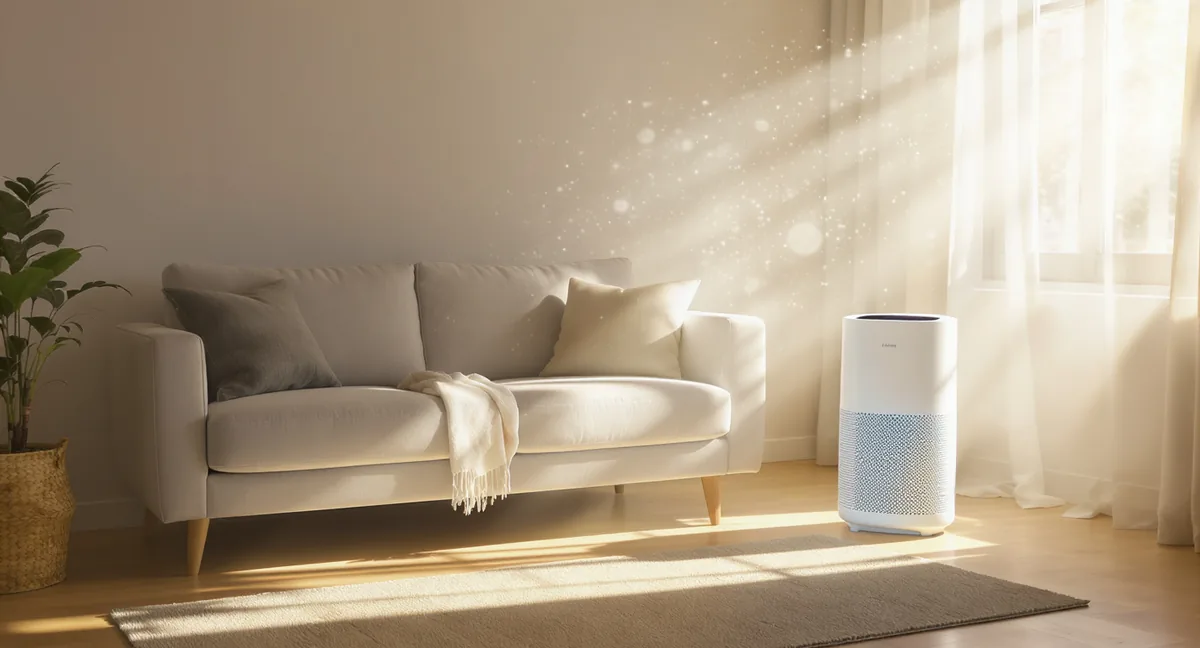
You bought an air purifier. It is humming away in the corner. But how do you actually know it is doing anything? Unlike a vacuum cleaner where you can see the dirt it picks up, an air purifier's work is invisible. The particles it captures are measured in microns — thousands of times smaller than the width of a human hair.
The good news: there are reliable, practical ways to verify your purifier is performing. Some take 30 seconds, others require a small investment in a monitor. All of them beat the alternative — running a machine for months on faith alone.
Key Takeaways
- 1A simple hand test at the air outlet confirms your purifier is moving air — reduced airflow is the most common sign of a failing or clogged unit
- 2A PM2.5 monitor provides objective proof: a working HEPA purifier should reduce PM2.5 by 50-90% within 30-60 minutes in a closed room
- 3Filter inspection is the fastest diagnostic — a HEPA filter that has turned from white to dark grey is doing its job, but one that is completely clogged needs immediate replacement
- 4Symptom tracking over 2-4 weeks (allergy severity, sleep quality, dust accumulation) reveals whether your purifier is making a real-world difference
- 5Common mistakes that sabotage performance include undersizing for the room, poor placement against walls, and running the purifier only a few hours per day instead of 24/7
Quick Answer
How can I tell if my air purifier is working?
The most reliable method is to use a PM2.5 air quality monitor. Take a baseline reading, then run your purifier on high for 30-60 minutes with doors and windows closed. A working HEPA purifier should reduce PM2.5 levels by at least 50%. Without a monitor, check for strong airflow at the outlet, inspect the filter for accumulated particles (it should be visibly dirty after a few months), and track whether allergy symptoms and dust buildup have decreased since you started using the purifier.
5 Methods to Verify Your Air Purifier Is Working
Method 1: The Airflow Test (30 Seconds)
This is the simplest check and the one you should do first. Hold your hand 6-12 inches from the air outlet while the purifier is running on its highest setting.
What you should feel: A strong, steady stream of clean air. On high, most purifiers push air at noticeable velocity — you should feel it clearly against your palm.
What to look for:
- Strong, consistent airflow — The purifier is moving air through the filter as designed
- Weak or uneven airflow — Likely a clogged filter restricting air passage
- No airflow at all — The fan may have failed, or something is physically blocking the intake
This test does not tell you whether the filter is actually capturing particles, but it confirms the mechanical basics are functioning. A purifier with no airflow is doing nothing regardless of how new the filter is.
Method 2: PM2.5 Monitor Before-and-After Test (Most Reliable)
This is the gold standard. An air quality monitor gives you objective, numerical proof that your purifier is removing particles from the air.
How to run the test:
- Place an air quality monitor in the same room as your purifier
- Close all windows and doors
- Record the baseline PM2.5 reading
- Turn the purifier to its highest setting
- Check the monitor after 30 minutes and again at 60 minutes
- Compare the readings
What good results look like:
| Time | PM2.5 Reading | Reduction |
|---|---|---|
| Baseline | 30-50 µg/m³ | — |
| 30 minutes | 10-15 µg/m³ | 50-70% |
| 60 minutes | 3-8 µg/m³ | 80-90% |
If your readings follow this pattern, your purifier is working well. Results will vary depending on room size, initial pollution level, and purifier CADR, but a properly sized HEPA purifier should achieve at least a 50% reduction within 30 minutes in a closed room.
Our recommended monitor for this test:
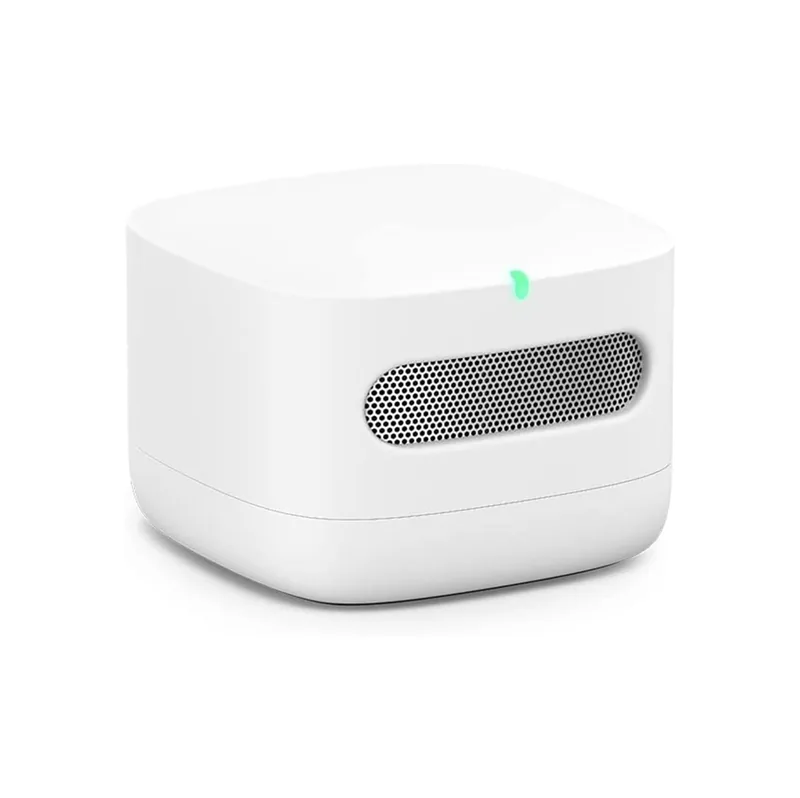
The Amazon Air Quality Monitor is an affordable option for spot-checking PM2.5 levels. For continuous, multi-parameter monitoring (PM2.5, CO2, VOCs, humidity, radon), consider the Airthings View Plus.
Method 3: Filter Inspection (5 Minutes)
Your HEPA filter is a physical record of what the purifier has been capturing. Inspecting it regularly tells you two things: whether the purifier has been working, and whether the filter needs replacing.
How to inspect:
- Power off and unplug the purifier
- Remove the outer panel and pre-filter
- Carefully examine the HEPA filter surface
What to look for:
- Light grey discoloration — Normal after 1-3 months. The filter is capturing particles as intended
- Dark grey or brown coloring — The filter has been working hard and may be nearing end of life. Check if airflow feels reduced
- Completely black or matted surface — The filter is overloaded. Replace it immediately — a saturated filter restricts airflow and can no longer capture new particles effectively
- Still white after months of use — Either the purifier is not drawing air through the filter (check for bypass leaks or fan issues), or your air is remarkably clean
Pre-filter check: While the HEPA filter is exposed, vacuum the pre-filter with a brush attachment. A clogged pre-filter forces the HEPA to work harder and shortens its life.
Method 4: Symptom and Environment Tracking (2-4 Weeks)
Numbers from a monitor are definitive, but real-world symptom tracking matters too. After all, improved health is the reason you bought the purifier.
Track these indicators over 2-4 weeks:
- Allergy symptoms: Rate your daily sneezing, congestion, and eye irritation on a 1-10 scale. A working purifier should gradually reduce scores, especially overnight and in the morning
- Sleep quality: Reduced airborne allergens and particles often improve sleep. Note whether you wake up less congested
- Dust accumulation: Check surfaces near the purifier. You should notice less dust settling on furniture, shelves, and electronics in the room where the purifier runs
- Odors: If your purifier has an activated carbon filter, cooking smells, pet odors, and musty scents should dissipate faster than before
Important caveat: Symptom improvement alone does not prove a purifier is working — the placebo effect is real. This is why Method 2 (monitor testing) is the most reliable approach. But if you see both measurable PM2.5 reduction and symptom improvement, you have strong confirmation.
Method 5: The Odor Test (Quick Check for Carbon Filters)
If your purifier includes an activated carbon filter, you can test its gas-phase filtration with a simple odor check.
How to test:
- Create a controlled odor source in the room — cooking something fragrant, or placing a small amount of vinegar in a bowl near the purifier
- Note how quickly the odor dissipates compared to a room without the purifier
- With a fresh carbon filter and the purifier on high, strong odors should diminish noticeably within 15-30 minutes
When the carbon filter is exhausted:
- Odors that the purifier used to eliminate now linger for hours
- You may notice a stale or slightly chemical smell coming from the purifier itself (off-gassing from a saturated carbon filter)
- The HEPA filter may still be working fine — carbon saturation and HEPA clogging happen on different timelines
Signs Your Air Purifier Is NOT Working
If you notice any of these, your purifier needs attention:
Weak or No Airflow
The most obvious red flag. If you cannot feel air movement at the outlet on the highest setting, the fan may have failed, or the filter is so clogged that air cannot pass through. Check the filter first — a replacement often solves the problem immediately.
Clogged or Overdue Filter
A HEPA filter past its replacement date is working against you. A saturated filter restricts airflow, reduces the number of air changes per hour, and can become a surface where trapped bacteria and mold spores accumulate. Most purifiers track filter usage hours and display an indicator — do not ignore it.
No Improvement in Allergy or Respiratory Symptoms
If you have been running the purifier for 2+ weeks with no change in symptoms, something is wrong. The purifier may be undersized for the room, placed poorly, or the filter may need replacing. It is also possible that your symptoms are caused by something a HEPA filter does not capture, such as VOCs from off-gassing furniture.
PM2.5 Levels Remain High
If your monitor shows little to no PM2.5 reduction after 60 minutes of operation in a closed room, the purifier is not functioning correctly. Common causes: bypass air leaks around the filter, a counterfeit or damaged HEPA filter, or the unit is simply too small for the space.
Unusual Noises or Smells
Rattling, grinding, or high-pitched whining that is new may indicate a failing fan motor. A musty or chemical smell from the unit suggests mold growth on a damp filter or off-gassing from a saturated carbon filter.
Common Mistakes That Sabotage Air Purifier Performance
Even a high-quality purifier will underperform if you make these errors:
Wrong Room Size
This is the most common mistake. A purifier rated for 200 sq. ft. cannot meaningfully clean a 400 sq. ft. living room. The AHAM recommends choosing a purifier with a Smoke CADR of at least two-thirds of your room's square footage.
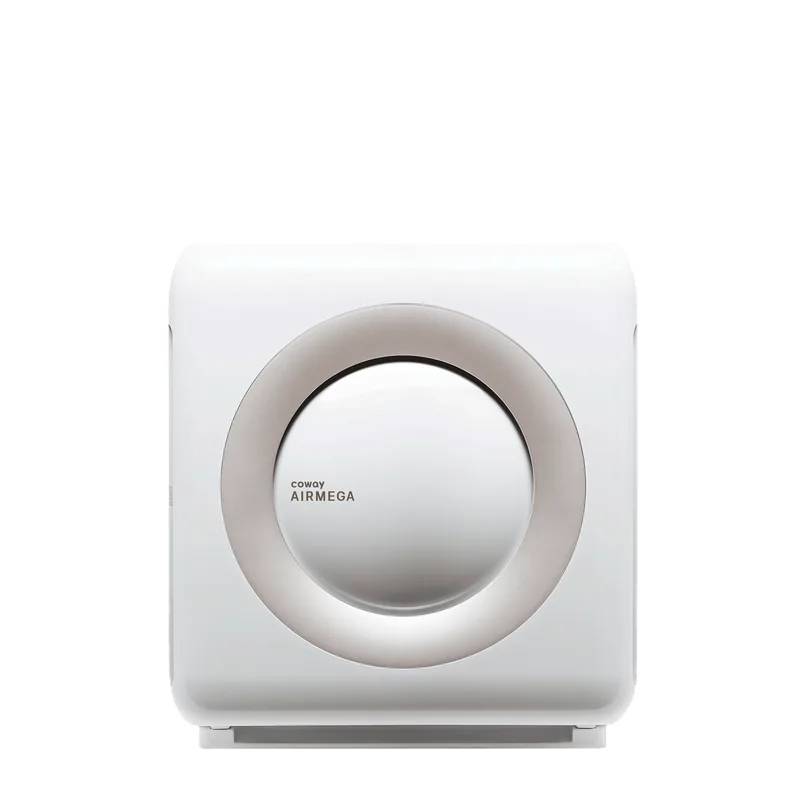
Example: The Coway Airmega AP-1512HH has a Smoke CADR of 233, making it effective for rooms up to approximately 350 sq. ft. Put it in a 500 sq. ft. open-plan space and it will struggle to maintain acceptable air quality.
Poor Placement
Where you put the purifier matters more than most people realize:
- Do not place it flush against a wall — leave at least 6-12 inches of clearance on all sides for proper air intake
- Do not tuck it behind furniture or in a corner where airflow is restricted
- Do place it near the primary pollution source when possible (near the kitchen, near a pet bed, or in the bedroom where you sleep)
- Do position it so the clean air outlet faces the center of the room
Not Running It 24/7
Air purifiers are not like air conditioners — they do not "treat" the air and leave it clean. Particles continuously enter your space from outdoor air infiltration, cooking, human activity, pets, and settled dust that gets disturbed. The clinical studies showing health benefits from HEPA purifiers ran them continuously, 24 hours a day.
Running your purifier only while you sleep or only for a few hours cuts its effectiveness dramatically. On the lowest fan setting, most quality purifiers consume only 5-10 watts — less than a nightlight — and cost $2-5 per month in electricity.
Ignoring the Pre-Filter
On models with a separate washable pre-filter (like the Coway AP-1512HH), neglecting monthly cleaning forces the HEPA filter to handle large particles it was never designed to catch. This can cut HEPA filter life in half and reduce overall airflow.
Running It With Windows Open
A HEPA purifier in a room with open windows is fighting a losing battle. Outdoor air continuously introduces new particles faster than the purifier can remove them. For maximum effectiveness, close windows and doors in the room where the purifier operates. If you need ventilation, open windows in a different room.
When to Replace Your Filters
Filter replacement is the single most important maintenance task. A purifier with an expired filter is essentially a fan.
| Filter Type | Typical Lifespan | Replacement Signal |
|---|---|---|
| Pre-filter | Permanent (clean monthly) | Visible dust buildup, indicator light |
| HEPA filter | 6-12 months | Dark discoloration, reduced airflow, indicator light |
| Activated carbon | 3-6 months | Lingering odors, chemical smell from unit |
Factors that shorten filter life:
- Running the purifier 24/7 (necessary, but increases filter wear)
- Homes with pets (dander and fur load filters faster)
- High outdoor pollution or wildfire smoke seasons
- Cooking frequently without range hood ventilation
- Large household size (more activity generates more particles)
Do not try to extend filter life by vacuuming a True HEPA filter. Unlike pre-filters, HEPA media relies on a specific fiber structure that vacuuming or washing destroys. A "cleaned" HEPA filter may look better but will have drastically reduced filtration efficiency.
The Bottom Line
You do not need to guess whether your air purifier is doing its job. The airflow test takes 30 seconds and catches mechanical failures. A filter inspection takes 5 minutes and reveals whether the purifier is actually capturing particles. And a PM2.5 monitor — the most reliable method — gives you hard numbers that eliminate all doubt.
If you are serious about indoor air quality, investing $50-100 in an air quality monitor pays for itself by confirming your purifier works, alerting you when filters need replacement, and identifying pollution sources you may not have been aware of. It transforms your air purifier from a hope-based purchase into a data-driven health tool.
Sources & References
- EPA Guide to Air Cleaners in the Home — Guidance on portable air cleaner effectiveness, proper sizing using CADR, and the importance of continuous operation for meaningful particle reduction
- AHAM (Association of Home Appliance Manufacturers) — Administers the CADR certification program and recommends Smoke CADR of at least 2/3 of room square footage for proper sizing
- EPA Indoor Air Quality — States that indoor air can be 2-5x more polluted than outdoor air and recommends HEPA filtration as part of a comprehensive indoor air quality strategy
This guide was researched and written by the AirQualityNest editorial team. We update our content regularly to reflect the latest products, pricing, and research.
Frequently Asked Questions
How quickly should an air purifier clean a room?+
A properly sized HEPA air purifier should reduce PM2.5 levels by 50-70% within 30 minutes and by 80-90% within 60 minutes in a closed room. This assumes the purifier's CADR is appropriately matched to the room size. If your purifier takes significantly longer, it may be undersized, the filter may be clogged, or doors and windows may be allowing new pollutants to enter.
Can I tell if my air purifier is working without a monitor?+
Yes, but with less certainty. Check for strong airflow at the outlet, inspect the HEPA filter for particle accumulation (it should turn grey over weeks of use), and track allergy symptoms and dust buildup over 2-4 weeks. However, a PM2.5 monitor ($50-100) provides the only objective, numerical confirmation and is well worth the investment if you want definitive proof.
Why does my air purifier smell bad?+
A bad smell from your air purifier usually indicates one of two issues. A musty or mildew odor suggests mold growth on a filter that was exposed to moisture — replace the filter immediately. A chemical or plastic smell may mean the activated carbon filter is saturated and beginning to off-gas trapped VOCs back into the air, or it could be normal off-gassing from a brand-new unit, which typically dissipates within 24-48 hours.
Should I run my air purifier on high or low?+
For everyday use, the auto or medium setting works well. Run it on high for 30-60 minutes when you first turn it on, after cooking, or when outdoor air quality is poor (like during wildfire season). For sleeping, use the lowest or sleep setting for quieter operation. A quality purifier on low still provides meaningful filtration and uses very little electricity — typically 5-10 watts.
How do I know if my HEPA filter is counterfeit or defective?+
If your PM2.5 monitor shows minimal improvement after running the purifier for 60 minutes in a sealed room, the filter may be counterfeit or defective. Other signs include a filter that feels unusually thin or flimsy, visible gaps between the filter and its frame that would allow bypass air, or a filter purchased from an unauthorized third-party seller at a suspiciously low price. Always buy replacement filters from the manufacturer or authorized retailers.
Related Guides
Air Purifier Maintenance Guide
Step-by-step filter cleaning and replacement schedules
Air Purifier Placement Guide
Where to position your purifier for maximum effectiveness
Air Purifier Sizing Guide
How to match CADR ratings to your room size
HEPA Filter Explained
How HEPA filtration works and why filter grade matters
How to Test Home Air Quality
Complete guide to monitoring your indoor air
Continue Reading
Best Air Purifiers for Open Floor Plans in 2026: High-CADR Models That Cover It All
The best air purifiers for open floor plans ranked by CADR, coverage area, and noise. High-performance HEPA purifiers that handle 500-1,500+ sq. ft. open spaces.
Best Smart Humidifiers in 2026 (Wi-Fi, App Control & Auto Humidity)
The best smart humidifiers with Wi-Fi, app control, and auto humidity adjustment. Top picks for Alexa, Google Home, and smart home integration.
The 5 Best Portable Air Quality Monitors in 2026
Monitor your air quality on the go. We tested the best portable and compact air quality monitors for accuracy, battery life, and sensor range.