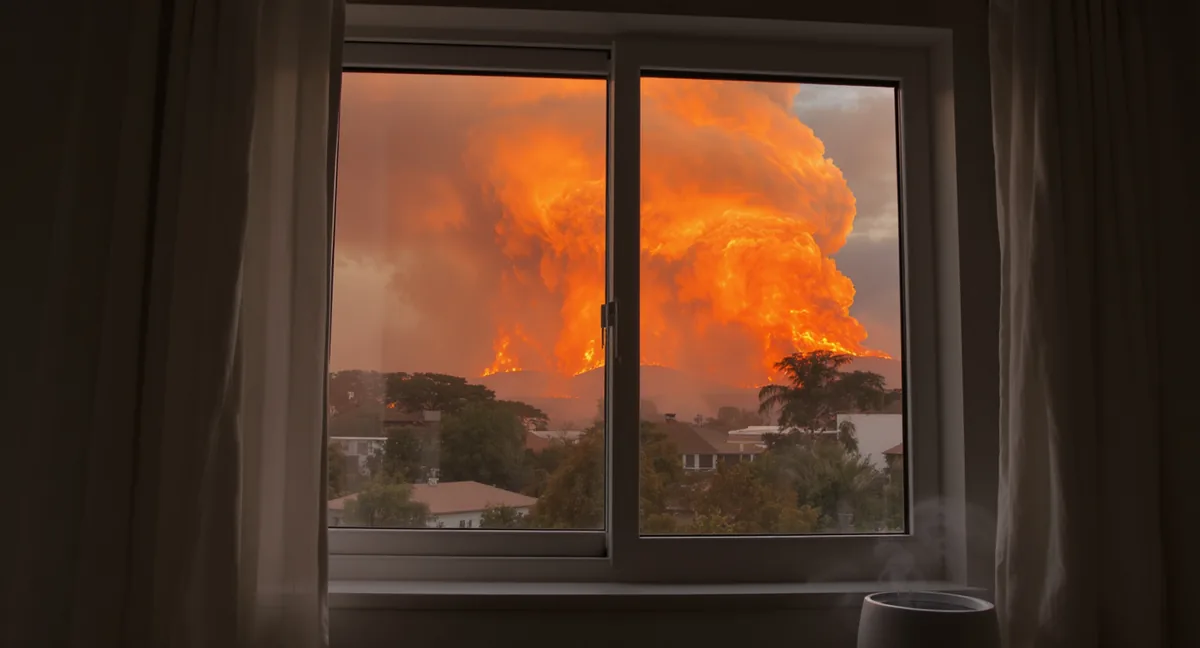
Wildfire smoke is one of the most dangerous air quality events you can face. It contains a toxic mixture of fine particulate matter (PM2.5), carbon monoxide, VOCs, polycyclic aromatic hydrocarbons (PAHs), and dozens of other harmful compounds. During severe wildfire events, outdoor AQI can exceed 300-500 — levels the EPA classifies as "hazardous" for everyone.
The good news is that with the right preparation, you can maintain breathable indoor air even during the worst smoke events. The key is acting before smoke arrives, not after your lungs are already burning.
How Wildfire Smoke Gets Indoors
Even with windows and doors closed, smoke infiltrates your home through:
- Gaps around doors and windows — Weatherstripping degrades over time
- HVAC air intakes — Furnaces and AC systems pull outdoor air inside
- Bathroom and kitchen exhaust vents — Backdrafting can pull smoke in when fans are off
- Electrical outlets and switch plates — On exterior walls, these are direct air pathways
- Attic and crawl space vents — Designed for ventilation, they offer zero filtration
- Foundation cracks — Smoke particles are small enough to penetrate hairline cracks
Research from Lawrence Berkeley National Laboratory found that even well-sealed homes experience 50-70% infiltration of outdoor PM2.5 within a few hours during smoke events. Older homes with poor weatherization can reach near-outdoor levels within an hour.
Step 1: Create a Clean Room
Designate one room in your home as a clean air refuge. Ideally, choose a bedroom where you spend the most hours (sleeping). Here is how to set it up:
- Select a room with few windows and doors — Fewer entry points for smoke
- Seal all gaps — Use wet towels, painter's tape, or plastic sheeting on windows. Stuff towels under doors
- Place your air purifier in this room — One powerful purifier in a sealed room is far more effective than multiple small units spread through an open house
- Close HVAC vents in the clean room if your system does not have a high-grade filter — you do not want unfiltered air pumped in
- Keep the door closed — Every time you open it, you are letting smoke in
Step 2: Seal Your Home
Beyond the clean room, reduce overall infiltration:
- Check weatherstripping on all exterior doors and windows. Replace any that is cracked or compressed
- Seal electrical outlets on exterior walls with foam gasket insulators ($5 for a pack at any hardware store)
- Close fireplace dampers — An open chimney is a highway for smoke
- Set HVAC to recirculate mode — This prevents the system from pulling outdoor air in. If your system has a MERV 13 or higher filter, you can continue running it normally
- Avoid using exhaust fans — Kitchen and bathroom fans create negative pressure that pulls smoky air in through other openings
Step 3: Run Air Purifiers Effectively
During smoke events, how you use your purifier matters as much as which one you own:
| Strategy | Why It Matters |
|---|---|
| Run on highest tolerable speed | Smoke events demand maximum CADR — this is not the time for low-speed, energy-saving mode |
| Keep the purifier in your clean room | Concentrating filtration in one sealed space is more effective than trying to clean your entire home |
| Replace filters before smoke season | A partially used filter has reduced capacity when you need it most |
| Keep a spare filter on hand | Filters can load up in days during heavy smoke — stores often sell out |
| Do not rely on ionizers alone | Ionizers cannot handle the volume of particles in wildfire smoke |
| Run continuously | Turn it on before smoke arrives and do not turn it off until AQI returns to safe levels |
DIY Box Fan Filter (Emergency Backup)
If you do not have an air purifier or need additional filtration, the Corsi-Rosenthal box is a proven emergency solution:
- Tape four MERV 13 furnace filters into a cube shape
- Place a standard 20-inch box fan on top, blowing outward
- This assembly provides approximately 600 CFM of filtered air — comparable to a mid-range commercial purifier
- Cost: approximately $30-40 for materials
This has been validated by researchers at multiple universities and recommended by the EPA as an emergency measure.
Step 4: Monitor AQI Continuously
During wildfire season, AQI can change dramatically within hours. Stay informed:
- AirNow.gov — EPA real-time data and smoke forecasts
- PurpleAir map — Hyperlocal sensor network with real-time updates
- Indoor air quality monitor — Track PM2.5 inside your clean room to verify your filtration is working
- Local emergency alerts — Sign up for notifications from your county emergency management
When outdoor AQI exceeds 150, the EPA recommends that everyone — not just sensitive groups — reduce prolonged outdoor exertion. Above 200, limit all outdoor activity. Above 300, stay indoors.
Step 5: Additional Protective Measures
- Avoid activities that add particles — Do not fry food, burn candles, vacuum (unless it has a HEPA filter), or use gas stoves during smoke events
- Wear an N95 mask if you must go outside — Cloth and surgical masks do not filter PM2.5
- Stay hydrated — Smoke exposure causes airway irritation that hydration helps mitigate
- Keep medications accessible — Inhalers, antihistamines, and any respiratory medications should be within reach
- Protect pets — Animals are also vulnerable. Keep them indoors in the clean room
Recommended Products
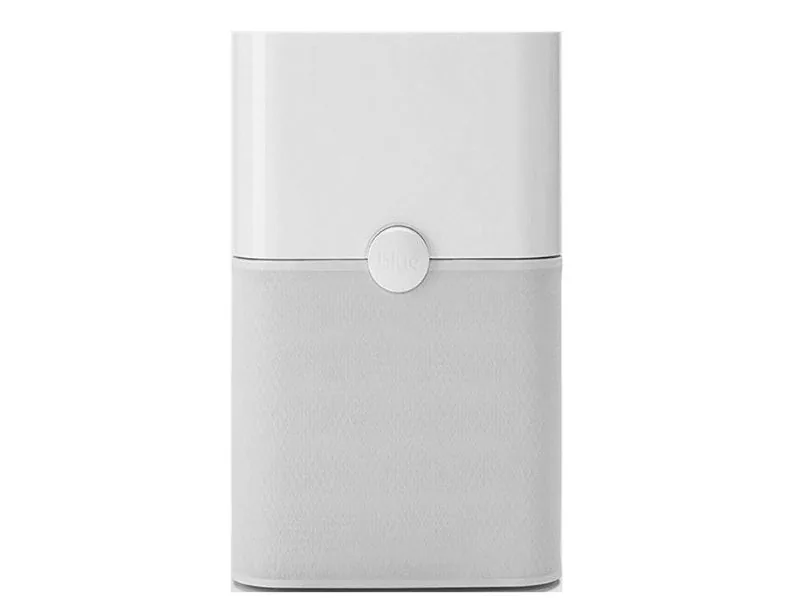
The Blueair Blue Pure 211+ delivers one of the highest CADR ratings in its price range, making it ideal for rapid smoke particle removal during wildfire events. Its high airflow can cycle a large room's air multiple times per hour.
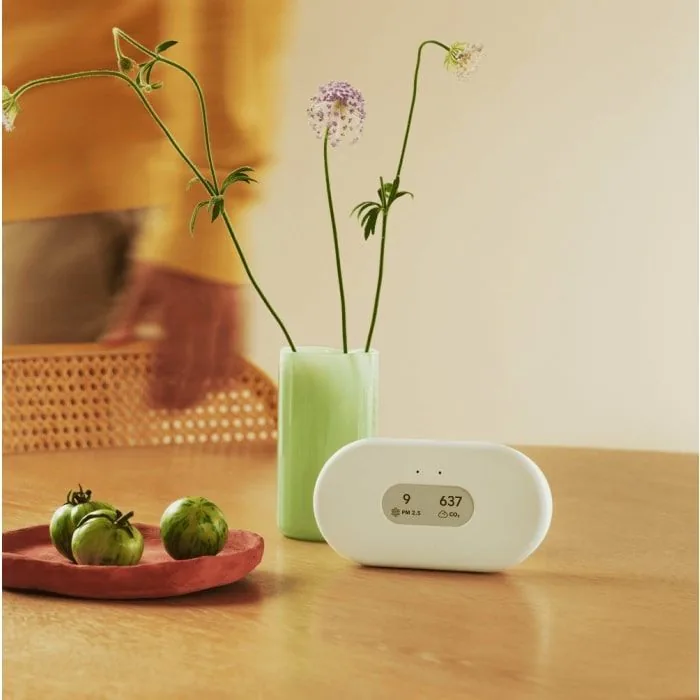
The Airthings View Plus tracks PM2.5 in real time, letting you verify that your clean room strategy is actually working. During smoke events, watching indoor PM2.5 drop after sealing and running your purifier provides critical reassurance.
The Bottom Line
Wildfire smoke is an annual reality for a growing portion of the country. Preparation is everything — seal your home, designate a clean room, stock spare filters, and have a high-CADR air purifier ready before smoke arrives. An indoor air quality monitor closes the loop by proving your defenses are working. The homes that fare best during smoke events are not the newest or most expensive — they are the ones that were prepared.
This guide was researched and written by the AirQualityNest editorial team. We update our content regularly to reflect the latest products, pricing, and research.
Continue Reading
AQI Explained
Understanding the Air Quality Index and what the numbers mean
Best Air Purifier for Smoke
Top-rated purifiers for smoke removal tested and ranked
HEPA Filter Explained
How HEPA filters work and which grade you need
Best Air Purifiers for Wildfire Smoke
Top purifiers rated specifically for wildfire smoke events
Best Air Quality Monitors
Track indoor PM2.5 during smoke events in real time
Continue Reading

Best Air Purifiers for Open Floor Plans in 2026: High-CADR Models That Cover It All
The best air purifiers for open floor plans ranked by CADR, coverage area, and noise. High-performance HEPA purifiers that handle 500-1,500+ sq. ft. open spaces.
Best Smart Humidifiers in 2026 (Wi-Fi, App Control & Auto Humidity)
The best smart humidifiers with Wi-Fi, app control, and auto humidity adjustment. Top picks for Alexa, Google Home, and smart home integration.
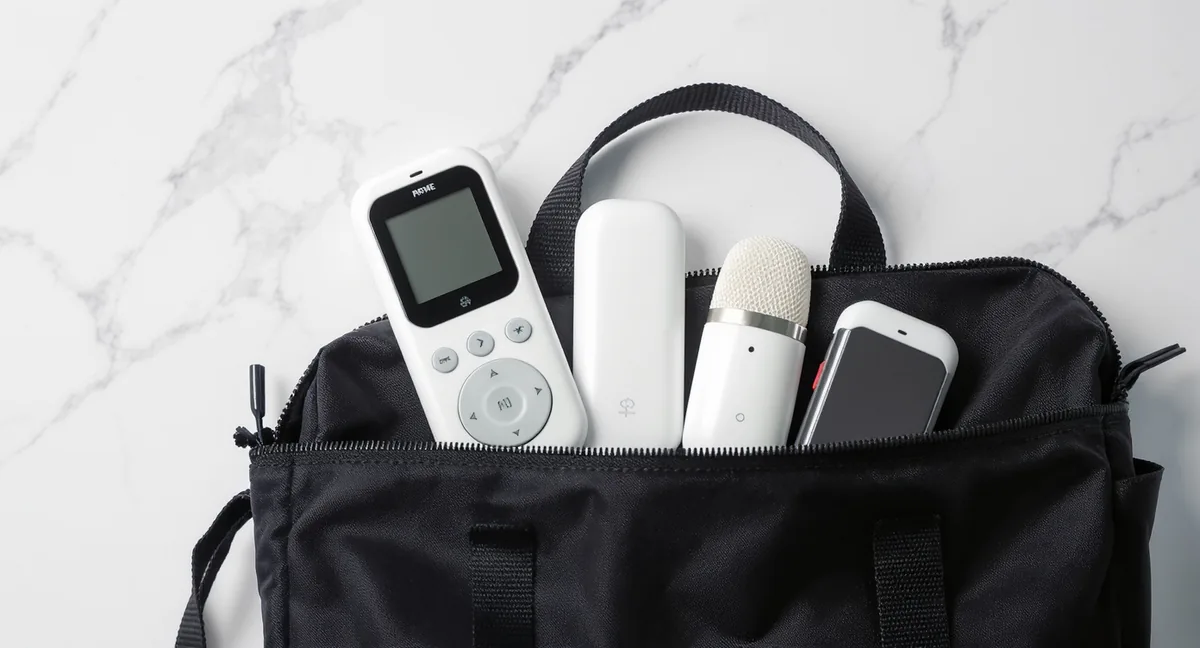
The 5 Best Portable Air Quality Monitors in 2026
Monitor your air quality on the go. We tested the best portable and compact air quality monitors for accuracy, battery life, and sensor range.