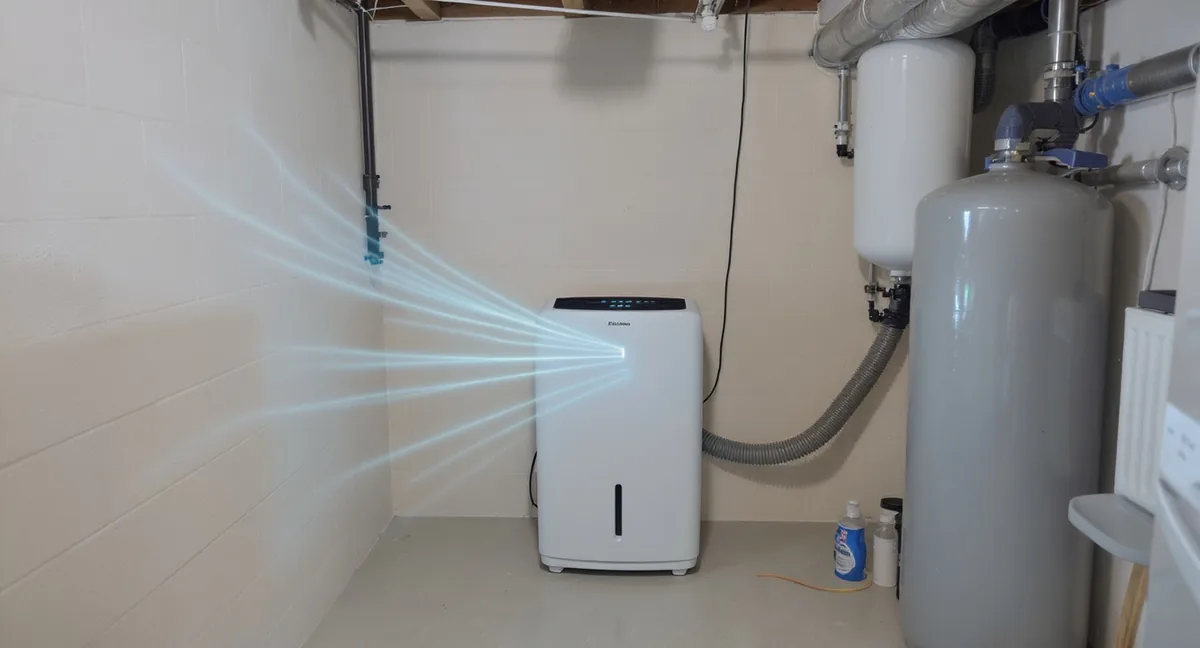
Summer is the most dangerous season for indoor humidity. Warm air holds dramatically more moisture than cold air — at 90 degrees Fahrenheit, air can hold nearly three times more water vapor than at 50 degrees. Add frequent rain, cooking steam, showering, and an air conditioning system that cycles on and off throughout the day, and many homes quietly climb past the 60% relative humidity threshold where mold begins to grow.
The problem is that mold does not announce itself. By the time you notice a musty smell or dark spots on a wall, a colony has been growing for days or weeks — releasing thousands of microscopic spores into the air your family breathes. The EPA estimates that excess indoor moisture and mold contribute to respiratory symptoms in roughly 21% of current asthma cases in the United States. Prevention is far easier, cheaper, and healthier than remediation.
Key Takeaways
- 1Summer air holds up to 3 times more moisture than winter air — indoor humidity routinely exceeds 60% in warm months, especially in basements, bathrooms, and kitchens
- 2Mold begins growing within 24-48 hours on most surfaces once relative humidity exceeds 60%, and a single square inch of visible growth can release millions of spores per day
- 3AC cycling is a hidden humidity driver — every time the compressor shuts off, moisture that was being removed returns to circulation before the next cooling cycle begins
- 4A dehumidifier sized to your space is the most effective single tool for summer mold prevention — 50-pint models handle most basements and open floor plans, while 20-pint units work for bedrooms and closets
- 5Combining a dehumidifier with a HEPA air purifier creates a two-pronged defense: the dehumidifier prevents mold growth by removing moisture, while the purifier captures airborne spores that are already circulating
Quick Answer
How do I prevent mold in my home during summer?
Keep indoor relative humidity between 30-50% using a dehumidifier in high-moisture areas like basements, bathrooms, and laundry rooms. Run exhaust fans during and 20 minutes after cooking and showering. Fix any leaks immediately. Ensure your AC runs long enough to dehumidify — short-cycling leaves moisture in the air. Check for early warning signs weekly: condensation on windows, musty odors, and peeling paint. In homes with known mold issues, add a HEPA air purifier to capture circulating spores.
Why Summer Humidity Is Worse
Understanding the physics behind summer humidity helps explain why mold problems spike between June and September — and why strategies that work in winter fall short during the hottest months.
Warm air holds exponentially more moisture. This is basic thermodynamics. At 50 degrees Fahrenheit, a cubic meter of air can hold about 9 grams of water vapor. At 70 degrees, it holds 18 grams. At 90 degrees, it holds 30 grams. When that warm, moisture-laden outdoor air seeps into your home through open doors, windows, gaps in weatherstripping, and every time someone enters or exits, it brings all that moisture with it.
Air conditioning creates a dehumidification paradox. Your AC does two things: it cools air and removes moisture. But it only removes moisture while the compressor is actively running. Modern high-efficiency AC systems are designed to cool your home quickly and then shut off — which means they cycle frequently rather than running continuously. Each time the compressor stops, moisture that condensed on the evaporator coil starts re-evaporating back into your home's air. In humid climates, this short-cycling means your AC never runs long enough to adequately dehumidify. You end up with a cool but clammy home — which many homeowners describe as feeling like 72 degrees but uncomfortable.
Summer activities add moisture. Cooking, showering, and laundry add 2-4 gallons of moisture to your indoor air every day, according to ASHRAE estimates. In summer, you are more likely to cook with boiling water, take extra showers after outdoor activity, and run more laundry loads. Each of these activities spikes humidity in the immediate area — and without adequate ventilation, that moisture spreads through your home.
Rain and storms push ground moisture into your foundation. Summer thunderstorms saturate the soil around your home's foundation. This moisture migrates through porous concrete walls and floors, raising basement and crawl space humidity even when everything looks dry on the surface. Concrete has a water vapor permeability rate of 8 to 15 perms, meaning moisture continuously diffuses through it.
Plants and landscaping contribute. Summer vegetation transpires moisture into the air. Foundation plantings, mulch beds, and irrigated lawns all increase the moisture load around your home's exterior. If you have potted plants indoors, they add moisture as well — a typical houseplant releases roughly 90% of the water you give it back into the air through transpiration.
Health Risks of High Humidity
High humidity is not just a comfort issue — it creates a cascade of health problems that intensify the longer the condition persists.
Mold Growth Above 60% Relative Humidity
Mold is the primary health concern in humid homes. According to the CDC, mold needs just three things to grow: moisture (relative humidity above 60%), a surface to grow on (drywall, wood, fabric, dust), and warmth. Summer provides all three in abundance.
Once established, mold colonies release spores continuously — a single square inch of visible mold can produce millions of spores per day. These spores are 1 to 30 microns in diameter, small enough to inhale deeply into your lungs but large enough for HEPA filters to capture with high efficiency.
Health effects of mold exposure include:
- Allergic reactions — Sneezing, runny nose, red eyes, skin rash. The CDC estimates that approximately 25% of the population is sensitive to mold.
- Asthma attacks — Mold is a documented asthma trigger recognized by the EPA. Existing asthma can worsen significantly in mold-affected homes.
- Respiratory infections — People with weakened immune systems are vulnerable to serious infections from species like Aspergillus.
- Chronic sinus issues — Long-term mold exposure is associated with persistent sinusitis and upper respiratory symptoms.
Dust Mite Proliferation
Dust mites thrive in humidity above 50% and reach peak populations during summer. These microscopic creatures live in bedding, upholstered furniture, and carpeting, feeding on dead skin cells. Their fecal matter and body fragments are potent allergens that trigger asthma, eczema, and year-round allergy symptoms. Reducing humidity below 50% significantly limits their ability to survive and reproduce.
Bacterial Growth and Odors
High humidity accelerates bacterial growth on surfaces and in HVAC systems. This contributes to musty odors, biofilm buildup in drain pans and ductwork, and degraded indoor air quality. The combination of warmth and moisture in summer creates ideal conditions for bacterial colonies that would not survive in drier months.
Room-by-Room Vulnerability Assessment
Not every room faces the same humidity risk. Understanding which areas of your home are most vulnerable helps you prioritize your prevention efforts and position dehumidifiers where they will have the greatest impact.
Basement
Risk level: Highest. Basements are the most mold-prone area in most homes. They sit below grade in direct contact with soil that absorbs summer rain. Cool concrete walls cause condensation when warm, humid air migrates downward. Limited ventilation means moisture has nowhere to go. Humidity in an untreated basement during summer routinely exceeds 70% in humid climates. The stack effect pulls this moisture-laden basement air up through your entire home — an estimated 40% of the air you breathe on the first floor originates in the basement or crawl space.
Priority action: Run a dehumidifier set to 40-50% relative humidity continuously from May through September. A 50-pint model handles most basements up to 2,000 square feet.
Bathroom
Risk level: Very high. A single hot shower generates roughly half a pint of water vapor. Without an exhaust fan — or with one that is undersized or not used — that moisture saturates walls, ceilings, and grout. Bathroom mold is the most common type homeowners encounter, and summer's higher baseline humidity means the room starts at a disadvantage before you even turn on the faucet.
Priority action: Run the exhaust fan during every shower and for at least 20 minutes after. If your bathroom lacks an exhaust fan, open a window or place a portable dehumidifier near the shower area.
Kitchen
Risk level: High. Boiling water, dishwashers, and sink use generate significant steam. Under-sink areas are prone to slow leaks that go unnoticed. Summer cooking — especially large meals — can push kitchen humidity above 70% for extended periods.
Priority action: Always use the range hood while cooking. Check under sinks monthly for leaks. If your kitchen opens to other rooms, the moisture spreads into adjacent living spaces.
Laundry Room
Risk level: High. Each load of laundry releases moisture — especially if you line-dry indoors or if the dryer vent is not properly exhausted outdoors. A dryer vent leak inside the home can add a gallon of moisture per load.
Priority action: Verify that the dryer vent exhausts completely outdoors with no disconnections. Never dry clothes indoors without a dehumidifier running in the same room.
Crawl Space
Risk level: Very high to severe. Crawl spaces with exposed earth floors can release enormous amounts of moisture into the home. Without a vapor barrier, ground moisture evaporates directly into the crawl space air and migrates upward. Summer heat accelerates this process significantly.
Priority action: Install a 6-mil polyethylene vapor barrier over exposed earth. In severe cases, consider encapsulation with a sealed liner and a dedicated dehumidifier.
How to Spot Early Mold Signs
Catching mold early — before it becomes a visible, established colony — saves you significant money and health risk. Check for these warning signs weekly during summer months:
Musty smell. This is the earliest and most reliable indicator. Mold and mildew produce microbial volatile organic compounds (MVOCs) that have a distinctive earthy, damp odor. If a room smells musty but looks clean, mold is likely growing behind walls, under flooring, or in hidden areas. Trust your nose — by the time you see mold, you have been breathing its spores for days or weeks.
Condensation on windows. Water droplets forming on the inside of window glass indicate that indoor humidity exceeds the dew point for that surface temperature. This is especially common on air-conditioned windows where the glass is cool and the room air is humid. Persistent condensation means humidity is too high for the space.
Peeling or bubbling paint. When moisture gets trapped behind paint, it causes bubbling, flaking, or peeling. This is a sign that the wall surface behind the paint is wet — the perfect mold substrate. Check corners, areas near the ceiling, and walls adjacent to bathrooms or kitchens first.
Staining on walls or ceilings. Yellowish-brown stains indicate moisture intrusion, either from a roof leak, plumbing issue, or condensation within the wall cavity. The damp area behind the stain is almost certainly growing mold.
Warping or buckling floors. Wood floors that cup, buckle, or develop soft spots are absorbing excessive moisture from the subfloor. This is especially common over basements and crawl spaces in summer.
Increased allergy symptoms indoors. If your allergies worsen when you are inside your home during summer — not just outdoors — elevated mold spore counts are a likely cause.
Mold Prevention Strategies
Preventing mold is straightforward once you understand that moisture control is the foundation. Every strategy below targets the same goal: keeping indoor relative humidity between 30% and 50%.
1. Use a Dehumidifier in High-Risk Areas
A dehumidifier is the single most effective tool for summer mold prevention. Modern units with built-in humidistats maintain your target humidity automatically — set it to 45-50% and let it run.
For basements and large open areas, a 50-pint or 80-pint dehumidifier provides the capacity needed to keep up with summer moisture loads. Models with built-in pumps can drain continuously to a sink or utility drain without requiring you to empty a bucket.
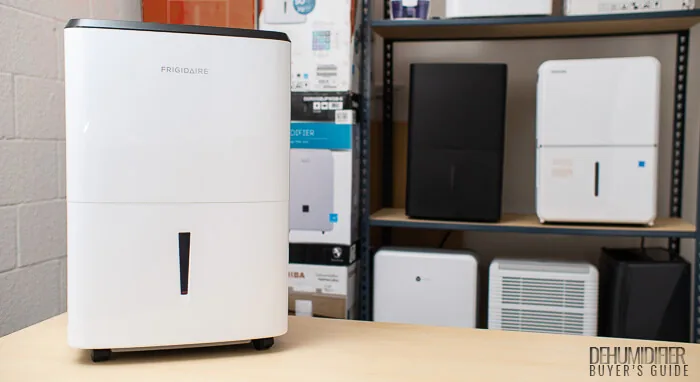
The Frigidaire FFAD5033W1 is a strong choice for most basements and main living areas. At 50 pints per day with Energy Star certification, it balances capacity against operating cost. The built-in pump means continuous drainage without manual bucket emptying — set it up once and let it run all summer. Customers consistently praise its quiet operation and reliability across multiple cooling seasons.
For homes with severe humidity problems, larger basements, or humid climates where 50 pints is not enough, the Hisense 50-Pint with Built-In Pump adds hands-free drainage for true set-and-forget operation.
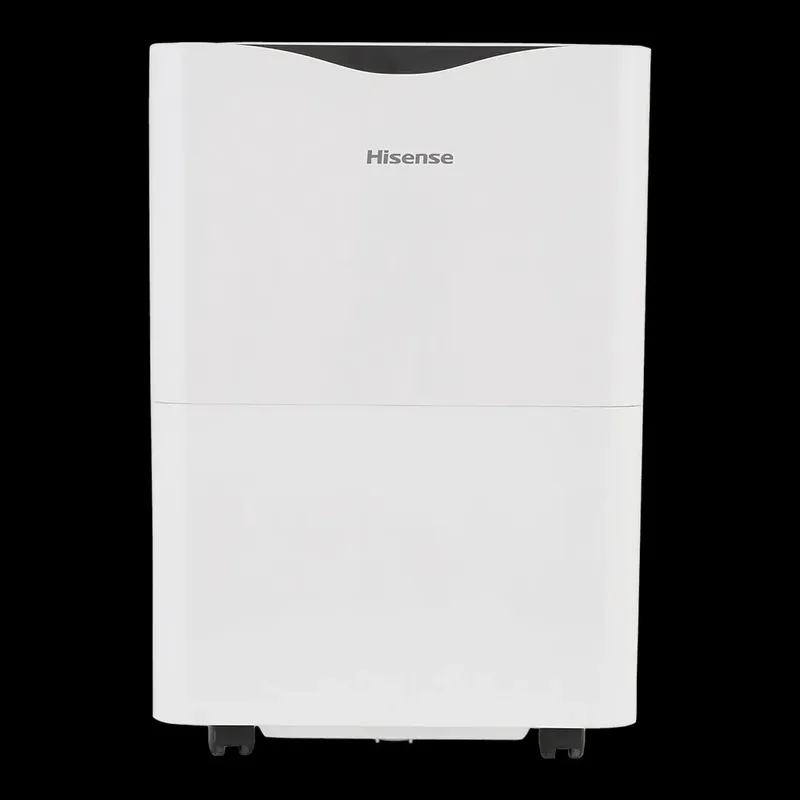
The Hisense 50-Pint with Built-In Pump handles demanding summer humidity conditions with ease. Its built-in pump lets you route drainage to a sink, window, or exterior point without needing gravity — useful for basement setups where floor drains are not available. The 50-pint capacity and 4,500 sq. ft. coverage ensure it can keep pace even during extended stretches of rain or extreme heat. At $259.99, customer reviews highlight the built-in pump as the feature that makes this unit genuinely maintenance-free for basement installations.
2. Optimize Ventilation
Ventilation moves humid air out and brings drier air in — but summer requires a different strategy than other seasons. On days when outdoor humidity is higher than indoor (common during and after rain), keep windows closed and rely on AC and dehumidifiers. On dry, breezy days, opening windows on opposite sides of your home creates cross-ventilation that flushes stale, humid air out.
Bathroom and kitchen exhaust fans are non-negotiable during summer. Run them during every moisture-generating activity and for at least 20 minutes afterward. If your exhaust fan is weak — you can test by holding a tissue to the grill; if it does not stick, the fan is not moving enough air — upgrade to a fan rated at 100+ CFM for bathrooms and 300+ CFM for kitchens.
3. Manage Your AC Effectively
Your air conditioner is a dehumidifier, but only when it runs long enough per cycle. If your AC short-cycles (runs for only 5-10 minutes before shutting off), it never reaches full dehumidification capacity.
- Set the fan to "auto," not "on." When the fan runs continuously, it blows moisture from the evaporator coil back into your home between cooling cycles. On "auto," the fan stops when the compressor stops, letting moisture drip off the coil and drain away.
- Do not set the temperature too low. A bigger temperature differential between your setpoint and the outdoor temperature causes the compressor to run harder but shorter. Setting the thermostat to 76-78 degrees encourages longer, steadier run times that remove more moisture.
- Change the filter monthly during summer. A dirty filter restricts airflow across the evaporator coil, reducing both cooling and dehumidification efficiency.
4. Address Structural Moisture Sources
No amount of dehumidification can overcome a constant moisture source. Fix the root cause:
- Repair leaks immediately — Under sinks, around windows, roof penetrations
- Grade soil away from your foundation — The ground should slope at least 6 inches over the first 10 feet from your foundation
- Extend downspouts at least 4-6 feet from the foundation
- Install or repair vapor barriers in crawl spaces
- Seal foundation cracks with hydraulic cement or injectable polyurethane
Dehumidifier Sizing and Selection
Choosing the right dehumidifier size depends on the room size and severity of your humidity problem. Undersizing means the unit runs continuously without reaching your target; oversizing wastes money upfront but is rarely a problem operationally.
| Room Size | Moderate Humidity (50-60%) | Severe Humidity (60%+) |
|---|---|---|
| Up to 500 sq. ft. | 20-pint unit | 30-pint unit |
| 500-1,000 sq. ft. | 30-pint unit | 50-pint unit |
| 1,000-2,000 sq. ft. | 50-pint unit | 80-pint unit |
| 2,000+ sq. ft. | 80-pint unit | Two units recommended |
Key features to prioritize:
- Built-in pump — Allows continuous drainage upward to a sink or out a window, eliminating the need to empty a bucket. Essential for basement setups.
- Humidistat with auto-shutoff — The unit monitors humidity and cycles on and off to maintain your target level.
- Energy Star certification — A dehumidifier running 12+ hours per day during summer adds $20-50/month to your electricity bill. Energy Star models reduce this by 15-20%.
- Wi-Fi connectivity — Lets you monitor humidity levels and adjust settings remotely. Especially useful for basements, vacation properties, or rentals.
When to Combine a Dehumidifier and Air Purifier
A dehumidifier prevents mold growth by removing the moisture mold needs. But if mold has already started growing — or if spore counts are elevated — a dehumidifier alone does not address the spores already circulating in your air. This is where combining a dehumidifier with a HEPA air purifier creates a comprehensive solution.
You should add an air purifier to your dehumidifier setup if:
- You can smell musty odors even after running a dehumidifier (airborne MVOCs and spores need filtration)
- Anyone in the household has mold allergies or asthma
- Your basement or crawl space had visible mold that was cleaned but spores remain in the air
- Your home has been flooded or sustained water damage — even after drying, spore counts remain elevated for weeks
- You have a compromised immune system and need the lowest possible spore exposure
The Coway Airmega AP-1512HH is particularly effective for mold spore removal. Its four-stage filtration system — pre-filter, deodorization filter, True HEPA, and optional ionizer — captures spores while also absorbing the musty MVOCs that make mold-affected rooms smell.
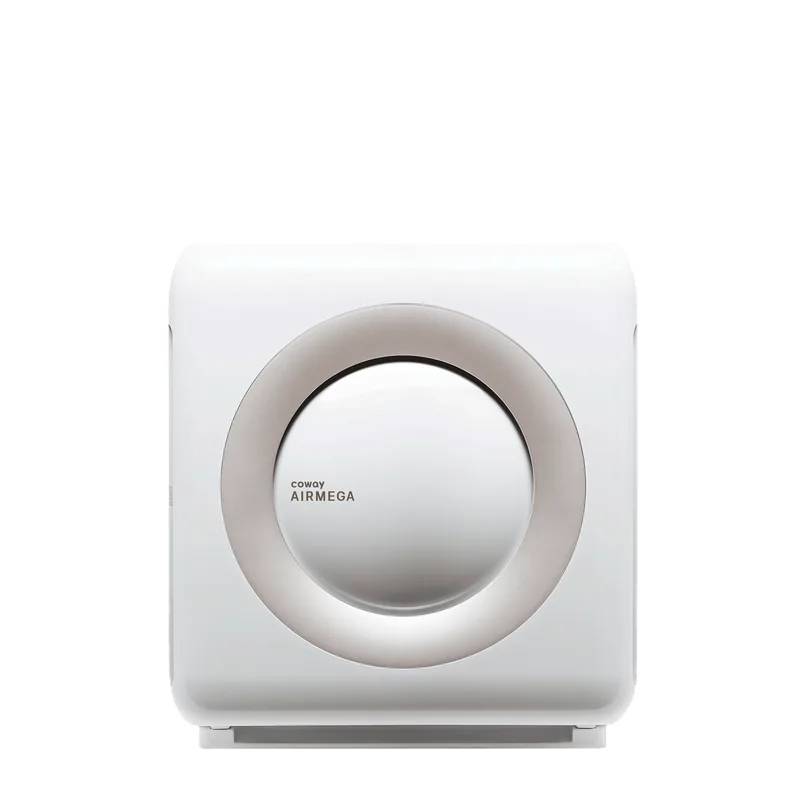
Customer reviews consistently mention the Coway's ability to eliminate musty basement odors within hours of initial operation. The True HEPA filter captures 99.97% of particles at 0.3 microns — mold spores at 1-30 microns are well above this threshold and are captured even more efficiently. The activated carbon deodorization filter absorbs the earthy volatile compounds that mold produces, addressing both the particles and the smell.
For the most effective setup in a mold-prone basement, position the dehumidifier near the greatest moisture source (foundation walls, sump pit) and the air purifier in the center of the room where it can cycle the most air. Run both continuously during summer months.
| Role | Dehumidifier | HEPA Air Purifier |
|---|---|---|
| Prevents mold growth | Yes — removes moisture | No |
| Removes airborne spores | No | Yes — 99.97% capture rate |
| Eliminates musty odor | Indirectly (less mold = less odor over time) | Yes — carbon filter absorbs MVOCs |
| Reduces dust mites | Yes — low humidity kills them | Yes — captures dead mite particles |
| What it addresses | Root cause (excess moisture) | Symptoms (airborne contaminants) |
Product Comparison
For quick reference, here is how our three recommended dehumidifiers compare on the features that matter most for summer mold prevention:
- Frigidaire FFAD5033W1 ($314) — 50 pints/day, built-in pump, Wi-Fi, Energy Star. Best for basements up to 1,500 sq. ft. with hands-free drainage.
- Hisense 50-Pint with Built-In Pump ($309) — 50 pints/day, built-in pump, 4,500 sq. ft. coverage. Best for large basements and humid climates where hands-free drainage is essential.
- Midea Cube 20-Pint ($179) — 20 pints/day, compact, Wi-Fi with Alexa. Best for bedrooms, closets, or single small rooms with moderate humidity.
If budget allows, pair any of these with the Coway Airmega AP-1512HH ($229) to capture mold spores that are already airborne.
This guide was researched and written by the AirQualityNest editorial team. We update our content regularly to reflect the latest products, pricing, and research.
Frequently Asked Questions
What humidity level causes mold growth?+
Mold begins growing on most surfaces when relative humidity exceeds 60% for 24-48 hours. The EPA and ASHRAE recommend keeping indoor humidity between 30% and 50% to prevent mold growth. During summer, maintaining 45-50% is a practical target — going below 40% is unnecessary and can cause dry air discomfort. A hygrometer or smart dehumidifier with a built-in humidistat will help you monitor and maintain this range.
Can air conditioning alone prevent mold in summer?+
Air conditioning helps but is often not enough on its own in humid climates. AC removes moisture only while the compressor is running. Modern high-efficiency systems cool quickly and short-cycle, which limits dehumidification time. Setting your fan to auto (not on) helps, but in basements, bathrooms, and other high-moisture areas, a dedicated dehumidifier is usually necessary to maintain humidity below 50%.
How many pints does my dehumidifier need to be?+
For most basements and large rooms (1,000-2,000 sq. ft.) with moderate to high humidity, a 50-pint dehumidifier is sufficient. Severely humid basements, open floor plans, or very large spaces benefit from an 80-pint model like the AEOCKY. For single bedrooms, closets, or small bathrooms, a 20-pint compact unit works well. When in doubt, size up — a larger unit reaching its target quickly and cycling off uses less energy than an undersized unit running continuously.
Should I run a dehumidifier and air purifier at the same time?+
Yes, if you have active mold concerns or mold-sensitive individuals in your household. They address different parts of the problem: the dehumidifier removes moisture to prevent mold growth, while a HEPA air purifier captures the airborne spores that mold has already released. A dehumidifier alone will not clean spores from the air, and an air purifier alone will not stop new mold from growing. Together, they provide both prevention and symptom relief.
How do I know if my home has a mold problem?+
The earliest sign is a persistent musty or earthy smell — mold produces volatile organic compounds with a distinctive odor long before visible colonies appear. Other indicators include condensation on windows, peeling or bubbling paint, unexplained allergy symptoms that worsen indoors, and humidity readings consistently above 60%. Check basements, bathrooms, under sinks, and around windows first. If you find visible mold covering more than 10 square feet, the EPA recommends professional remediation.
Sources & References
- EPA — A Brief Guide to Mold, Moisture, and Your Home — EPA guidelines on mold prevention, identifying moisture problems, and recommended indoor humidity levels of 30-50%
- CDC — Mold and Health — Health effects of mold exposure including allergic reactions, asthma triggers, respiratory infections, and populations at highest risk
- ASHRAE — Humidity Control Design Guide — Engineering standards for indoor humidity control, ventilation rates, and moisture management in residential buildings
- EPA — Indoor Air Quality (IAQ) — Indoor air is 2-5 times more polluted than outdoor air; guidance on ventilation, filtration, and moisture control strategies
- WHO — Guidelines for Indoor Air Quality: Dampness and Mould — World Health Organization evidence review linking indoor dampness and mold to increased risk of respiratory symptoms, asthma development, and allergic sensitization
Continue Reading
Best Dehumidifiers for 2026
Our top-rated dehumidifiers across all sizes and budgets
Humidity and Health: Finding Your Ideal Level
Complete guide to the 30-50% sweet spot and what happens outside it
Best Air Purifiers for Mold and Mildew
HEPA purifiers that capture mold spores and eliminate musty odors
Basement Air Quality Guide
Solutions for the most mold-prone room in your house
Best Dehumidifiers with Pump
Continuous-drain models for basements and set-it-and-forget-it operation
Continue Reading

Best Air Purifiers for Open Floor Plans in 2026: High-CADR Models That Cover It All
The best air purifiers for open floor plans ranked by CADR, coverage area, and noise. High-performance HEPA purifiers that handle 500-1,500+ sq. ft. open spaces.
Best Smart Humidifiers in 2026 (Wi-Fi, App Control & Auto Humidity)
The best smart humidifiers with Wi-Fi, app control, and auto humidity adjustment. Top picks for Alexa, Google Home, and smart home integration.
The 5 Best Portable Air Quality Monitors in 2026
Monitor your air quality on the go. We tested the best portable and compact air quality monitors for accuracy, battery life, and sensor range.