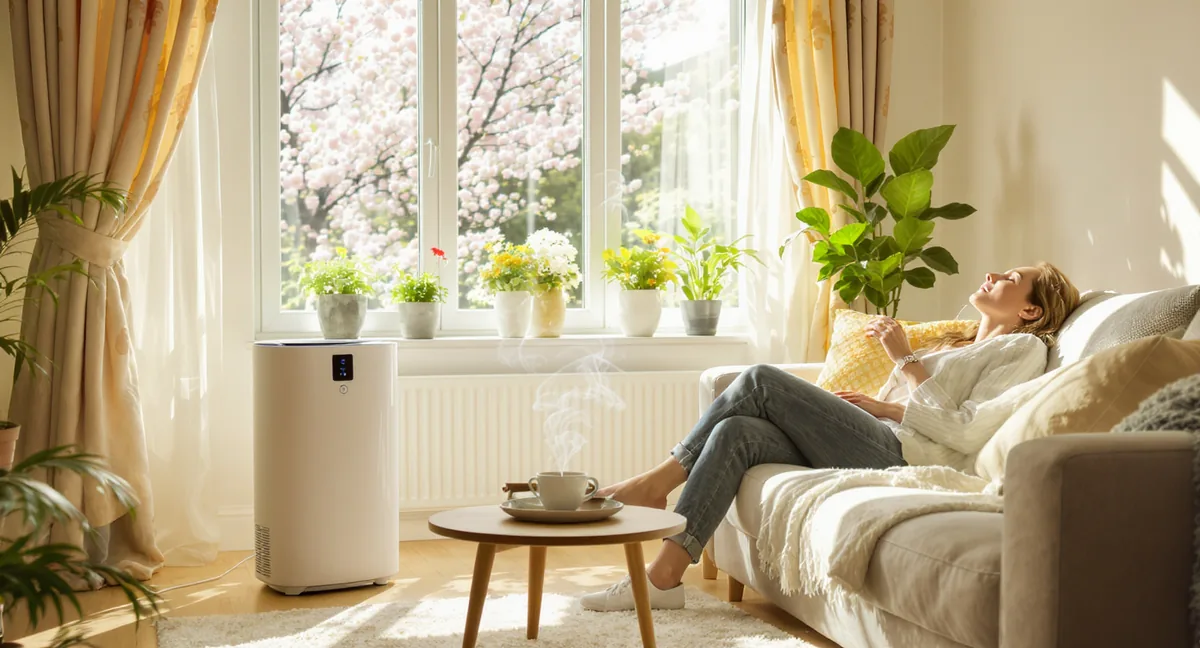
Spring 2026 is shaping up to be another brutal allergy season. The Asthma and Allergy Foundation of America reports that over 81 million Americans deal with seasonal allergic rhinitis, and warmer winters in recent years have extended pollen seasons by as much as three weeks in some regions. If you have been sneezing since March, you are not imagining things — pollen counts are starting earlier and peaking higher than they did a decade ago.
The good news is that your home can become a genuine refuge from pollen, but only if you approach spring air quality strategically. Running an air purifier on auto and hoping for the best is not a strategy. This guide walks you through a room-by-room, step-by-step game plan for controlling indoor air quality during the worst months for allergy sufferers.
Key Takeaways
- 1Spring pollen arrives in overlapping waves — tree pollen from February through May, grass pollen from May through July — meaning your air quality strategy needs to run for four to five months, not just a few weeks
- 2Outdoor allergens enter your home through open doors, HVAC systems, clothing, hair, and pets — even with windows closed, pollen infiltration is constant during peak season
- 3A HEPA air purifier running in auto mode with windows closed is the single most effective indoor defense, capturing 99.97% of pollen particles at 0.3 microns
- 4Keeping indoor humidity between 40-50% is critical — below 30% dries nasal passages and worsens symptoms, above 50% encourages dust mites that compound allergy problems
- 5Prioritize the bedroom first (you breathe there 7-9 hours per night), then expand coverage to the living room and home office
Quick Answer
What is the best indoor air quality strategy for spring allergies?
Start with a HEPA air purifier in your bedroom, keep windows closed on high pollen days, and maintain humidity between 40-50%. Replace your HEPA filter 2-4 weeks before allergy season starts so it is fresh when counts peak. Shower and change clothes after spending time outdoors to avoid carrying pollen inside. Run the purifier on high for 30-60 minutes after any door or window opening, then switch to auto mode. Check AQI and pollen forecasts daily — ventilate only during low-count windows like early morning or after rain.
Why Spring 2026 Is Worse Than Usual
Allergy seasons have been intensifying for years, and 2026 continues the trend. According to research published in The Lancet Planetary Health, pollen seasons in North America have lengthened by approximately 20 days since 1990, with pollen concentrations increasing by 21% over the same period. Warmer temperatures cause trees and grasses to pollinate earlier and produce more pollen per plant.
Spring allergy season is not a single event. It arrives in overlapping waves that stretch from late February through July in most of the continental United States.
Tree pollen (February through May) kicks things off. Oak, birch, cedar, maple, and elm trees release enormous clouds of pollen as temperatures consistently rise above 50 degrees Fahrenheit. A single birch tree can produce over 5 million pollen grains per day, and wind carries those grains 30-60 miles from the source. You do not need a pollen-producing tree in your yard to have a problem — your neighbors' trees and nearby parks contribute to the load.
Grass pollen (May through July) overlaps with tree pollen season for weeks. Timothy, Bermuda, ryegrass, and Kentucky bluegrass are the primary culprits. Grass pollen is produced by every lawn, park, sports field, and roadside strip, making it nearly impossible to avoid outdoors. For many allergy sufferers, grass pollen triggers more severe symptoms than tree pollen because exposure comes from every direction.
The practical implication: your air quality strategy needs to be active for four to five months, not just a few peak weeks in April.
How Outdoor Allergens Infiltrate Your Home
Even with every window shut, pollen finds its way inside through multiple pathways. Understanding these routes helps you close the gaps.
Doors are the biggest entry point. Every time you open the front door — to leave, to get a delivery, to let the dog out — a burst of outdoor air enters your home. During peak pollen days, a single door opening can elevate indoor pollen counts for hours if there is no filtration running.
Your HVAC system pulls outdoor air inside. Fresh air intakes on your HVAC unit draw in outdoor air and distribute it through your ductwork. A standard MERV-8 furnace filter captures large debris but allows a significant percentage of pollen grains and mold spores through. Upgrading to MERV-13 before allergy season makes a meaningful difference — these filters capture 85% or more of particles in the 1-3 micron range.
You carry pollen on your body. Pollen clings to hair, skin, clothing, and shoes. A jacket worn during a walk becomes a slow-release pollen source when draped over a chair. Shoes track pollen from lawns and sidewalks onto floors, where foot traffic re-suspends it into the air. Research published in the Annals of Allergy, Asthma & Immunology found that clothing worn during high pollen days carries hundreds of thousands of pollen grains indoors.
Pets are mobile pollen collectors. Dogs and cats that spend time outdoors collect pollen in their fur. When they come inside, shake, and settle onto furniture, they distribute allergens throughout the room. A dog returning from a walk during peak grass pollen season can carry a measurable pollen load on its coat that takes hours to settle.
Gaps and seals around your home. Weatherstripping that has degraded over winter, gaps around utility penetrations, and poorly sealed window frames allow continuous low-level pollen infiltration. Older homes with leaky envelopes have significantly higher indoor pollen counts than well-sealed newer construction.
Your Air Purifier Setup for Allergy Season
A True HEPA air purifier is the single most effective tool for reducing indoor pollen. HEPA filters capture 99.97% of particles at 0.3 microns — pollen grains range from 10 to 100 microns, well above the HEPA threshold, so actual capture efficiency for pollen approaches 100%.
Choose a purifier sized for your room. Based on our research, the most common mistake allergy sufferers make is using a purifier that is too small for their space. Check the CADR (Clean Air Delivery Rate) rating and match it to your room size. A purifier rated for 200 square feet will struggle in a 400-square-foot living room, running at maximum speed without ever reaching clean air.
Run on high for 30-60 minutes after exposure events. When you come home from outside, open a door, or have visitors enter, run the purifier on high to clear the pollen burst quickly. After particle counts drop, switch to auto mode for continuous, energy-efficient protection.
Keep windows closed on high pollen days. This is the hardest advice for people who love fresh air, but it is non-negotiable during peak pollen season. An open window brings in unfiltered outdoor air faster than any consumer air purifier can clean it. Save ventilation for low-count periods — early morning before 10 AM, late evening, or immediately after rain when pollen counts drop by 50-80%.
Position the purifier strategically. Place it between the main allergen entry point (front door, most-used window, HVAC vent) and where you spend the most time. Keep at least 3 feet of clearance on all sides for proper airflow. Do not tuck it behind furniture or in a corner — it needs unobstructed air circulation to reach its rated CADR.
Humidity Control: The Overlooked Allergy Factor
Most allergy sufferers focus on air purification and forget about humidity. This is a mistake. Humidity directly affects both your symptoms and the allergen load in your home.
The target range is 40-50% relative humidity. This is the sweet spot for allergy sufferers. Below 30%, your nasal passages and airways dry out, thinning the protective mucus layer that traps and expels allergens. Dry nasal passages are more irritated, more reactive, and less effective at filtering particles — which means the allergens that do reach your nose cause stronger symptoms.
Above 50%, dust mites thrive. Dust mites are microscopic creatures that live in bedding, upholstery, and carpeting. They reach peak populations in humid environments, and their fecal matter and body fragments are potent allergens. If your home is humid enough for dust mites to flourish, you are fighting pollen from outside and dust mite allergens from inside simultaneously.
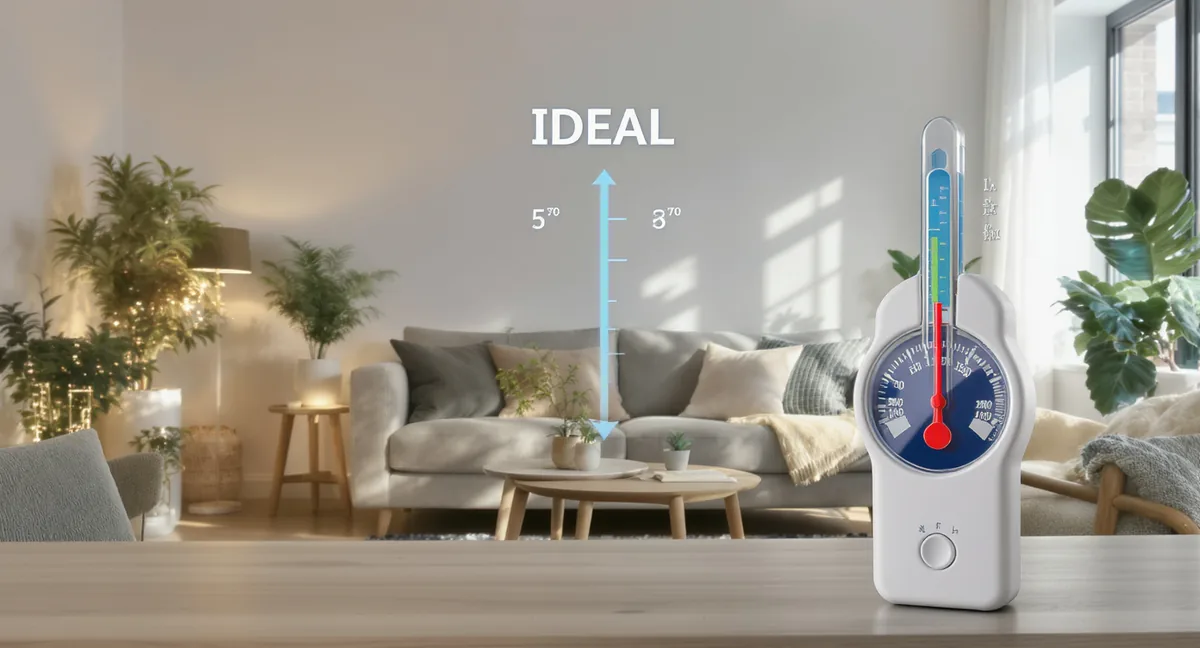
Monitor humidity with a hygrometer. A basic digital hygrometer costs $10-15 and tells you exactly where you stand. Place one in your bedroom and one in the main living area. If readings consistently exceed 50% during spring, a dehumidifier will help. If they drop below 30% — common if you are running air conditioning early — a humidifier brings levels back up. According to expert recommendations, maintaining 40-50% humidity reduces symptom severity for most allergy sufferers.
Room-by-Room Strategy
Not every room needs the same approach. Prioritize based on time spent and allergen exposure risk.
Bedroom: Your Top Priority
You spend 7-9 hours breathing in your bedroom every night. This is the longest continuous exposure period in any single environment, making your bedroom the most impactful room to protect.
- Run a HEPA air purifier continuously, 24/7, throughout allergy season
- Keep the bedroom door closed while sleeping to create a sealed clean-air zone
- Shower and wash your hair before bed to remove pollen accumulated during the day
- Change into fresh clothes before entering the bedroom — do not bring outdoor-worn clothes into this space
- Wash bedding weekly in hot water (130 degrees Fahrenheit or higher) to eliminate accumulated pollen and dust mites
- Use allergen-proof pillow and mattress covers to prevent dust mite buildup
Living Room: Second Priority
The living room is typically the highest-traffic area and the room most exposed to door openings.
- Position a purifier near the main entrance to intercept pollen bursts when the front door opens
- If you have a larger open-concept space (over 400 square feet), you need a higher-CADR unit — look for at least 250 CADR for pollen
- Vacuum upholstered furniture weekly with a HEPA-equipped vacuum to remove settled pollen
- Remove shoes at the door to prevent tracking pollen from outdoors onto floors
Home Office: Do Not Ignore
If you work from home, you spend 8+ hours in your office. That is comparable to bedroom exposure time.
- A compact purifier on or near your desk provides a clean-air breathing zone during work hours
- Keep office windows closed during work hours and ventilate only during low-count periods
Filter Replacement Timing
One of the most effective things you can do for allergy season costs under $50 and takes 5 minutes: replace your HEPA filter before pollen counts peak.
Replace 2-4 weeks before your region's pollen season begins. A filter with 6-8 months of use has accumulated dust, pet dander, and other particles from winter. It still works, but airflow is reduced and capture efficiency for the smallest particles starts declining. Starting allergy season with a fresh filter means maximum CADR and maximum particle capture exactly when you need it.
Check filters monthly during allergy season. Pollen loads accelerate filter degradation by 20-30% compared to winter use. Look at the filter media — if it has turned from white to visibly gray, it has captured significant material and performance is declining. Most manufacturers recommend replacement every 6-12 months, but during heavy allergy seasons, you may hit the 6-month mark faster.
Do not forget the pre-filter. Many purifiers have a washable pre-filter that catches large particles before they reach the HEPA media. Rinsing or vacuuming this pre-filter monthly extends HEPA filter life and maintains airflow. A clogged pre-filter forces the fan to work harder while delivering less clean air to the HEPA stage.
Air Quality Monitoring During High-Pollen Days
An air quality monitor adds a data layer to your allergy strategy that removes guesswork.
Indoor particulate monitors measure PM2.5 and PM10 levels in real time. During allergy season, watching these numbers tells you exactly when pollen infiltration spikes — after door openings, when the HVAC cycles on, or when someone enters wearing outdoor clothes. You can see the spike, run the purifier on high, and watch the numbers drop back down. This feedback loop helps you identify and close infiltration pathways you might not have noticed otherwise.
Check outdoor AQI and pollen forecasts daily. Services like AirNow.gov and local weather apps provide pollen counts by type (tree, grass, weed) and Air Quality Index readings. On days when counts exceed moderate levels, keep windows sealed and plan outdoor activities for early morning or after rain. On low-count days, take the opportunity to ventilate.
Smart purifiers with built-in sensors offer a middle ground. Models with real-time air quality indicators (like the color-changing ring on the Coway AP-1512HH) give you visible feedback without a separate monitor. When the indicator shifts from green to yellow or purple, you know pollen has entered the room and the purifier is responding.
When to Supplement with Medication
An air purifier and medication work differently, and using both is often more effective than relying on either alone.
Air purifiers reduce exposure. They physically remove allergens from the air so fewer particles reach your nose, eyes, and lungs. This lowers the total allergen load your immune system has to deal with.
Antihistamines and nasal corticosteroids manage your body's response. They do not remove allergens — they reduce your immune system's overreaction to the allergens that do reach you.
Based on our research into customer reviews and expert recommendations, many allergy sufferers report that using a HEPA air purifier at home allows them to reduce medication dosage or frequency. The purifier handles indoor exposure, and medication covers outdoor exposure during commutes, errands, and outdoor activities. However, you should always consult your doctor before adjusting any medication routine.
For severe allergy sufferers, the combination approach is particularly effective: purifier indoors + medication for outdoor exposure + humidity control + pollen avoidance habits (showering before bed, removing shoes, keeping windows closed). Each layer reduces the total allergen load, and the cumulative effect is often significantly greater than any single measure alone.
Our Top Picks for Spring Allergy Season
Based on our analysis of customer reviews, specifications, and real-world allergy season performance, these two purifiers stand out for spring allergy defense.
Best Overall Allergy Fighter: Coway Airmega AP-1512HH
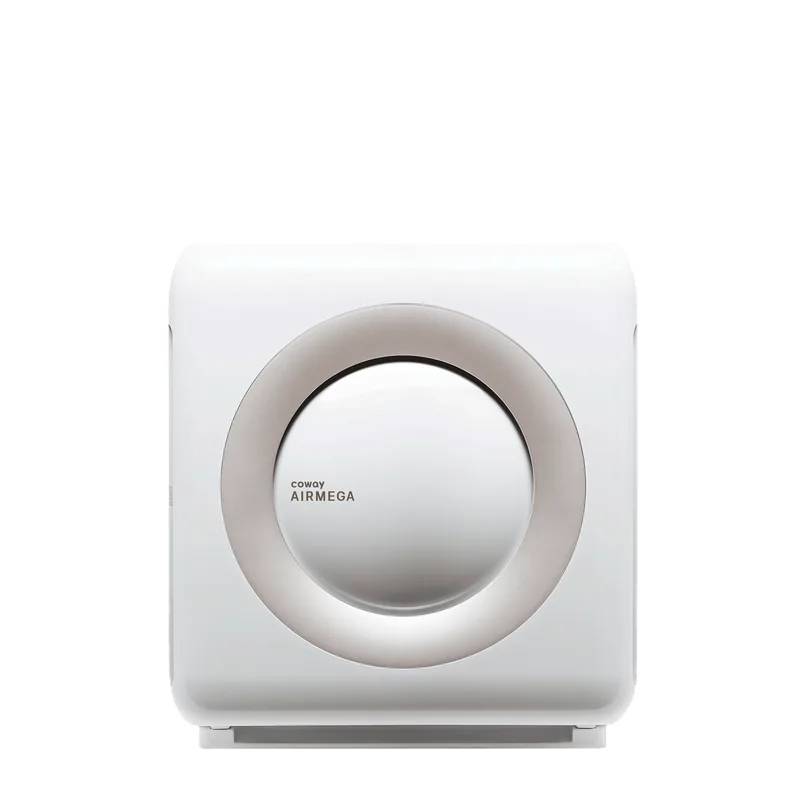
The Coway Mighty is the air purifier allergy sufferers recommend most consistently across major retailers. Its four-stage filtration system — pre-filter, activated carbon, True HEPA, and optional ionizer — handles both pollen particles and the musty odors that accompany spring mold growth.
Three features make it particularly effective during allergy season. First, the real-time air quality indicator ring changes color when particle levels spike — when you walk in carrying pollen, you can see the ring shift from blue to purple as the sensor detects the influx. Second, auto mode responds to those spikes within seconds, ramping the fan up before symptoms start. Third, its CADR of 246 for pollen cleans a standard bedroom in under 15 minutes on high.
Annual filter replacement costs approximately $40, which matters when you are running a purifier 24/7 for months during allergy season. At roughly $230, it delivers best-in-class allergy performance at a mid-range price point.
Best Budget Bedroom Option: Levoit Core 300
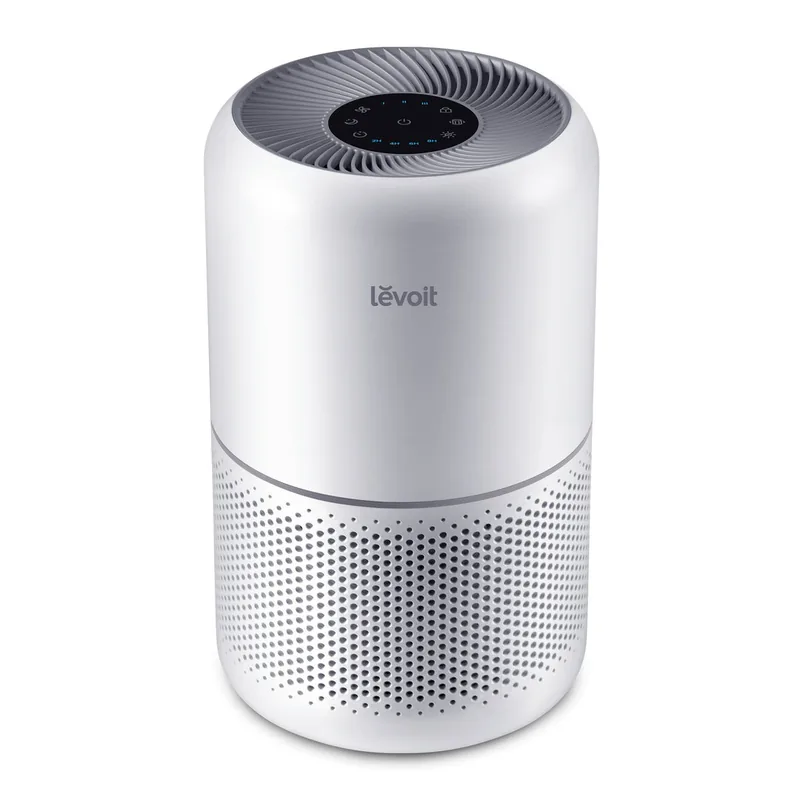
For a dedicated bedroom purifier — which is where allergy sufferers get the most benefit — the Levoit Core 300 delivers H13 HEPA filtration at roughly half the price of larger units. Its 219 CADR handles rooms up to 219 square feet, which covers the vast majority of bedrooms.
The three-stage filtration (pre-filter, H13 HEPA, activated carbon) captures pollen with near-perfect efficiency. At 24 dB on its lowest setting, it is quiet enough to sleep through — critical because you need it running all night, every night, during allergy season. Reviewers consistently praise its whisper-quiet operation and the noticeable difference in morning allergy symptoms after adding it to the bedroom.
At approximately $100, the Levoit Core 300 is one of the most cost-effective allergy investments you can make. Pair it with a Coway in the living room for whole-home coverage, or start with just the bedroom unit and expand later.
This guide was researched and written by the AirQualityNest editorial team. We update our content regularly to reflect the latest products, pricing, and research.
Frequently Asked Questions
How long does spring allergy season last?+
Spring allergy season typically runs from late February through July, encompassing both tree pollen season (February-May) and grass pollen season (May-July). The exact timing depends on your region — southern states see earlier starts, while northern states may not see peak tree pollen until April. Plan for four to five months of continuous air purifier operation rather than a few peak weeks.
Should I keep windows open or closed during allergy season?+
Keep windows closed during high pollen count days, especially between 10 AM and 4 PM when counts peak. Ventilate during low-count windows: early morning before 10 AM, after rain (pollen counts drop 50-80%), or on days when your local forecast shows low pollen levels. When you do ventilate, run your air purifier on high for 30-60 minutes afterward to clear any pollen that entered.
Do air purifiers really help with spring allergies?+
Yes, based on our research into thousands of customer reviews, allergy sufferers consistently report meaningful symptom improvement after adding a HEPA air purifier to their bedroom. HEPA filters capture 99.97% of particles at 0.3 microns — pollen grains at 10-100 microns are captured even more efficiently. The key is using a purifier sized for your room, running it continuously, and keeping windows closed during high-count days. A purifier cannot help if you are competing against an open window.
What humidity level is best for allergy sufferers?+
Maintain indoor humidity between 40-50%. Below 30%, your nasal passages dry out, making them more reactive to allergens and less effective at trapping particles. Above 50%, dust mites proliferate — adding a second allergen source on top of pollen. A $10 hygrometer lets you monitor levels, and a humidifier or dehumidifier keeps you in range depending on whether your home runs dry or humid during spring.
How often should I replace filters during allergy season?+
Replace your HEPA filter before allergy season begins, ideally 2-4 weeks before peak pollen counts. During the season, check the filter monthly — pollen loads cause filters to accumulate material 20-30% faster than during winter months. If the filter media has turned visibly gray, performance is declining and replacement is overdue. Most manufacturers recommend 6-12 month intervals, but heavy allergy seasons push you toward the shorter end.
Sources & References
- Asthma and Allergy Foundation of America — Pollen Allergy — Reports that over 81 million Americans were diagnosed with seasonal allergic rhinitis and provides pollen season timelines by region
- Anderegg et al. — Anthropogenic climate change is worsening North American pollen seasons (PNAS, 2021) — Documents pollen season lengthening by approximately 20 days and pollen concentration increases of 21% since 1990 across North America
- EPA — Indoor Air Quality and Allergens — Recommends HEPA filtration and humidity control between 30-50% for reducing indoor allergen exposure
- American College of Allergy, Asthma & Immunology — Air Filters — Recommends HEPA air purifiers as part of a comprehensive allergen reduction strategy, noting 99.97% capture rate for airborne particles
Related Reading
Best Air Purifiers for Allergies
Our top-rated purifiers for allergy relief ranked by filtration performance and customer satisfaction
Seasonal Allergy Air Purifier Setup
Detailed setup and placement guide for maximizing purifier performance during spring and fall allergy seasons
HEPA Filter Explained
How HEPA filtration works and why it is the gold standard for capturing pollen and allergens
Air Purifier Placement Guide
Seven rules for positioning your purifier for maximum effectiveness in any room
Best Air Quality Monitors
Track pollen infiltration and indoor particle levels in real time during allergy season
Continue Reading
Best Air Purifiers for Open Floor Plans in 2026: High-CADR Models That Cover It All
The best air purifiers for open floor plans ranked by CADR, coverage area, and noise. High-performance HEPA purifiers that handle 500-1,500+ sq. ft. open spaces.
Best Smart Humidifiers in 2026 (Wi-Fi, App Control & Auto Humidity)
The best smart humidifiers with Wi-Fi, app control, and auto humidity adjustment. Top picks for Alexa, Google Home, and smart home integration.
The 5 Best Portable Air Quality Monitors in 2026
Monitor your air quality on the go. We tested the best portable and compact air quality monitors for accuracy, battery life, and sensor range.