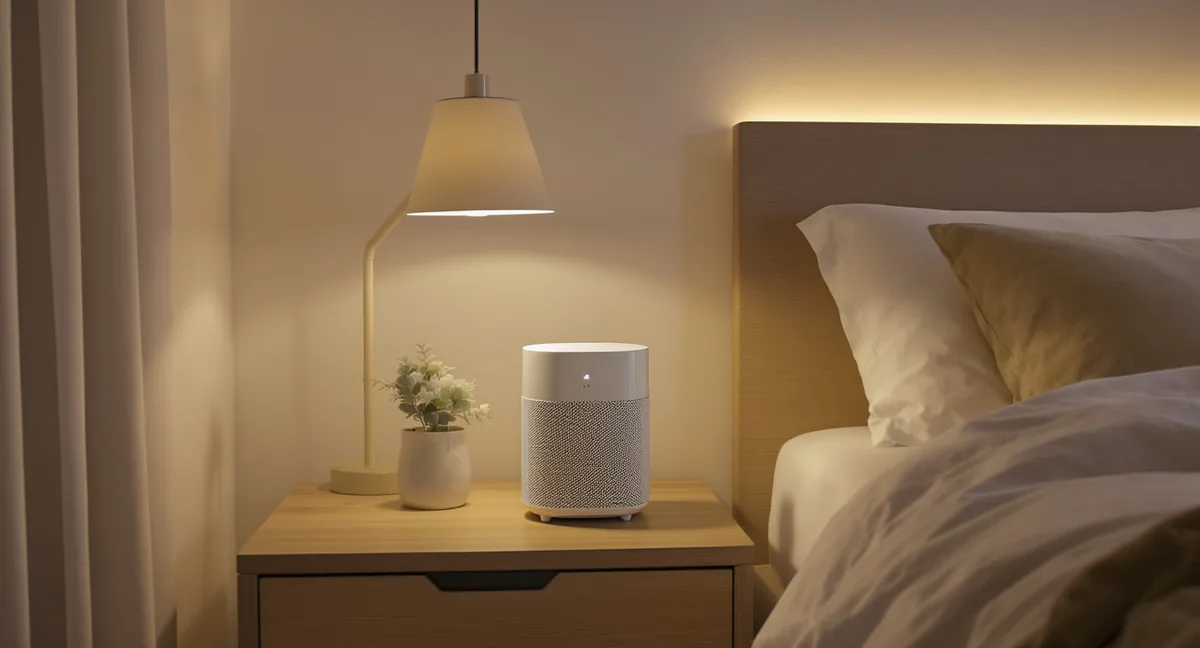
During intense exercise, you breathe 10 to 20 times more air per minute than at rest. A normal resting breathing rate of 12 to 20 breaths per minute jumps to 40 to 60 breaths during vigorous training, and the volume of air per breath increases as well. That means whatever is in your gym air — rubber mat off-gassing, dust from iron plates and cable machines, sweat-generated moisture, and basement mustiness — enters your lungs at 10 to 20 times the normal rate. If you train in contaminated air, your workout is actively working against your health.
Based on our research across published specifications, customer reviews, and sports medicine guidance, most home gym spaces have significant air quality challenges that a quality air purifier can address. The right purifier needs high CADR for rapid air exchange during workouts, solid odor and VOC control for rubber and sweat smells, and enough coverage for typical garage, basement, or spare-room gym setups.
Key Takeaways
- 1During exercise you inhale 10-20x more air than at rest — air quality in your gym space has an outsized impact on your respiratory health compared to any other room
- 2The Honeywell HPA300 ($249.99) is the best overall gym purifier — its 300 CADR and 465 sq. ft. coverage deliver rapid air cycling in garage and basement gym spaces with no-nonsense mechanical controls
- 3Rubber gym flooring and equipment mats off-gas VOCs including formaldehyde, toluene, and carbon disulfide, especially when new — activated carbon filtration is essential, not optional
- 4Basement home gyms face compounded challenges: poor ventilation, elevated humidity that promotes mold, and dust from aging HVAC or exposed concrete — prioritize high-CADR purifiers with deodorization
- 5Place your purifier where its airflow crosses your primary workout zone — not behind equipment or in a far corner where clean air never reaches your breathing space
Quick Answer
What is the best air purifier for a home gym?
The Honeywell HPA300 at $249.99 is the best air purifier for most home gyms. Its 300 CADR — the highest in this roundup — rapidly cycles the air in garage and basement gym spaces up to 465 sq. ft. during intense workouts when you need clean air most. The three parallel True HEPA filters handle the heavy dust loads that gym equipment generates, and the no-nonsense mechanical controls work reliably in dusty environments. For smaller dedicated workout rooms under 392 sq. ft., the Coway Airmega AP-1512HH ($229) is the better fit with its auto mode that ramps up when air quality drops during training.
Why Home Gym Air Quality Matters More Than You Think
You invest in quality equipment, dial in your nutrition, and optimize your recovery. But if you are training in a space with poor air quality, you are undermining your performance and health with every breath.
Increased respiratory volume amplifies exposure. At rest, you inhale roughly 6 to 8 liters of air per minute. During high-intensity training — HIIT, heavy compound lifts, cycling, or running — that jumps to 60 to 100 liters per minute. Every pollutant in your gym air enters your system at 10 to 20 times the resting rate. Fine particles penetrate deeper into the lungs during heavy breathing because you switch from nasal to mouth breathing, bypassing the nose's natural filtration.
Rubber flooring off-gasses VOCs. Rubber gym mats and tiles — the foundation of most home gyms — release volatile organic compounds including formaldehyde, toluene, and carbon disulfide. This off-gassing is strongest when mats are new, but continues at lower levels for months. The heat generated during workouts and sun exposure in garage gyms accelerates the off-gassing process, meaning your gym smells worse precisely when you are breathing hardest.
Sweat and moisture create secondary problems. High-intensity workouts generate significant moisture from perspiration and heavy breathing. In enclosed home gym spaces — especially basements — this moisture elevates humidity, which promotes mold growth on walls, rubber mats, and in HVAC systems. Mold spores become airborne and are inhaled during your next session.
Equipment dust is constant. Iron plates rubbing in racks, cable machines wearing, chalk residue, and general dust accumulation on bars and benches all generate fine particulates that become airborne when you move equipment. In a basement or garage with minimal air circulation, this dust hangs in the air for hours.
Our Top Picks at a Glance
1. Best Overall: Honeywell HPA300
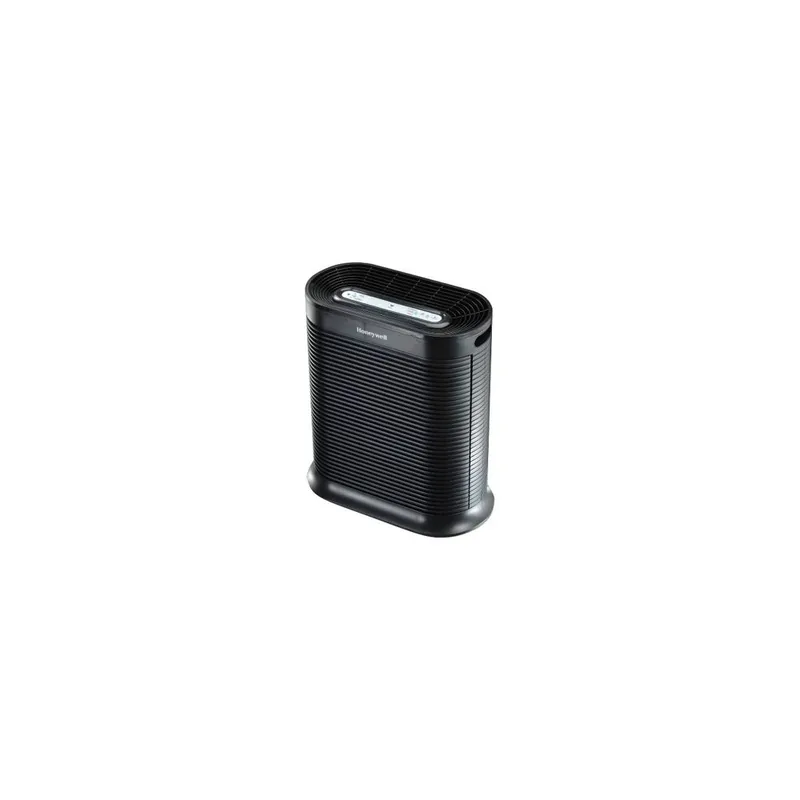
The Honeywell HPA300 is the top choice for home gyms because of one critical number: 300 CADR. That is the highest airflow rate in this roundup, and in a gym context, speed of air exchange matters more than in any other room. When you are pushing through a heavy set and breathing hard, you need contaminated air replaced with clean air fast — not gradually over 30 minutes, but within a few air cycles during your workout window.
Coverage of 465 sq. ft. handles the most common home gym setups: a two-car garage gym, a finished basement section, or a large spare room. The three parallel True HEPA filters provide more total filter surface area than single-filter designs, which means the HPA300 handles the heavy particulate loads from gym equipment — iron dust, chalk, rubber particles — without choking on airflow as quickly.
The mechanical controls are a genuine advantage in a gym environment. Touchscreens and capacitive buttons fail when covered in chalk dust or operated with sweaty gloves. The HPA300's physical knobs and switches work every time, regardless of how dirty or sweaty your hands are. There is no Wi-Fi module to malfunction, no app to troubleshoot — just reliable, powerful air cleaning.
The turbo mode is the HPA300's strongest gym feature. When you need maximum air exchange during intense training, turbo cranks airflow to its peak, cycling gym air rapidly. It is loud — but during a heavy training session, noise is rarely a concern. Run turbo during active lifting, then drop to medium or low afterward.
What We Like
- +Turbo clean mode for quick purification
- +Strong CADR ratings
- +Trusted brand with long track record
- +Captures up to 99.97% of particles
Could Be Better
- −Louder than competitors on high
- −No smart features
- −Filter costs add up
2. Best for Smaller Home Gyms: Coway Airmega AP-1512HH
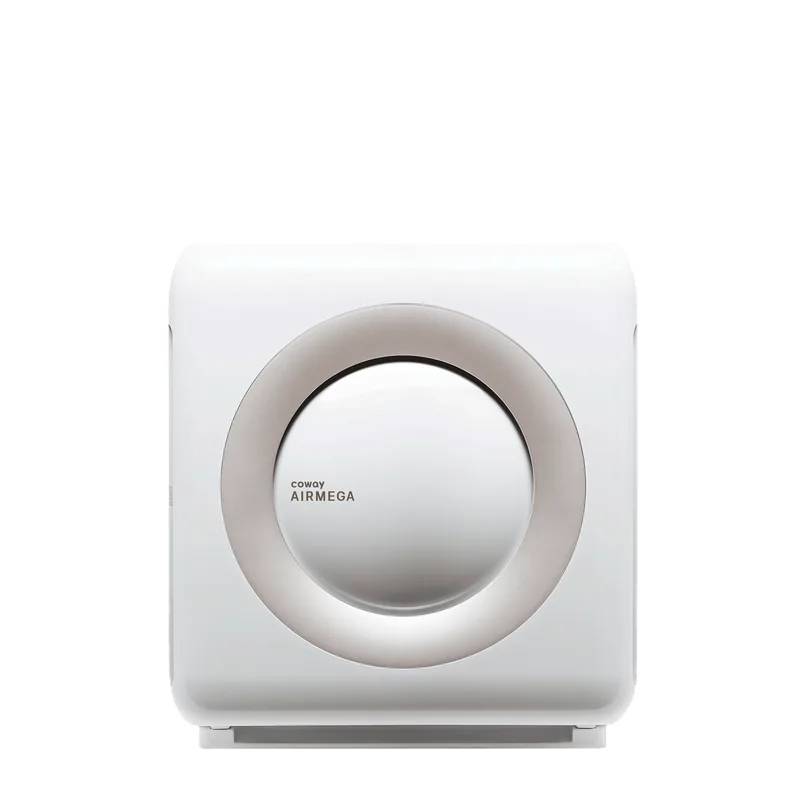
The Coway Airmega AP-1512HH is the ideal purifier for dedicated workout rooms and smaller gym setups under 360 sq. ft. — a spare bedroom converted to a gym, a single-car garage, or a sectioned-off basement area. Its auto mode is the real star for gym use: the built-in air quality sensor detects the particle spike that occurs within minutes of starting a workout and automatically ramps the fan speed to match.
Based on customer reviews, users consistently note that the Coway's air quality indicator shifts from blue to purple within minutes of beginning exercise, then gradually returns to blue as the purifier clears the disturbed air. This real-time feedback is motivating — you can literally watch your air quality improve as the purifier works during your session.
The four-stage filtration system includes a pre-filter for large particles, a deodorization filter for rubber and sweat odors, a True HEPA filter for fine particulates, and Coway's ionizer for additional particle capture. The deodorization stage is particularly valuable for gym use, addressing the rubber mat smell and body odor that accumulate in enclosed workout spaces.
At $229, it is the best value proposition for home gym owners who do not need the large-room coverage of the Honeywell. The compact footprint (16.8 x 9.6 inches) tucks against a wall or in a corner without encroaching on workout space, and the eco mode saves energy during the hours when the gym is not in use.
What We Like
- +Exceptional value for money
- +Eco mode saves energy
- +Affordable replacement filters (~$40/yr)
- +Compact design fits anywhere
Could Be Better
- −Bright indicator light cannot be turned off
- −No app control or smart features
3. Best Smart Value: Winix 5510
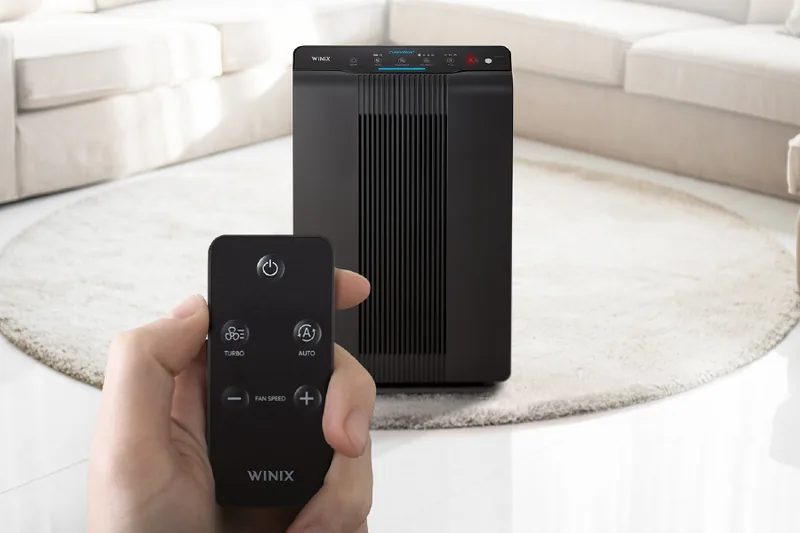
The Winix 5510 delivers gym-worthy air purification at $179.99 with WiFi app control and a built-in air quality monitor — making it the best smart value for home gyms. But the real reason it earns its spot is PlasmaWave technology. This feature generates hydroxyl radicals that break down odor-causing compounds at the molecular level, providing an active layer of odor control beyond what the carbon filter alone delivers. In a gym where rubber off-gassing and sweat create persistent smells, that extra layer makes a noticeable difference.
The 253 CADR and 392 sq. ft. coverage handle most single-room gym setups effectively. The True HEPA filter captures 99.97% of airborne particles including the fine dust that weight equipment generates, while the washable AOC (Advanced Odor Control) carbon filter addresses the gaseous pollutants — rubber VOCs, sweat compounds, and musty basement air.
The smart sensor auto mode detects air quality changes and adjusts fan speed automatically. Customer reviews from home gym users note that the Winix ramps up shortly after workouts begin and returns to quiet operation within 30 to 45 minutes after sessions end. The sleep mode (23.5 dB) is useful if your gym is near bedrooms and you want the purifier to continue running overnight without generating noise.
For gym owners looking for a WiFi-enabled value pick, the Winix 5510 provides meaningful air quality improvement without the financial commitment of a $250+ unit. The washable pre-filter and washable carbon filter also reduce ongoing costs — a significant advantage when gym environments accelerate filter degradation.
What We Like
- +WiFi app control and air quality monitor
- +PlasmaWave technology
- +Strong 253 CFM CADR for large rooms
- +Washable carbon pre-filter
- +Smart auto mode
Could Be Better
- −PlasmaWave produces trace ozone
- −Louder on max at 65.7 dB
4. Best Smart Option: Levoit Core 400S
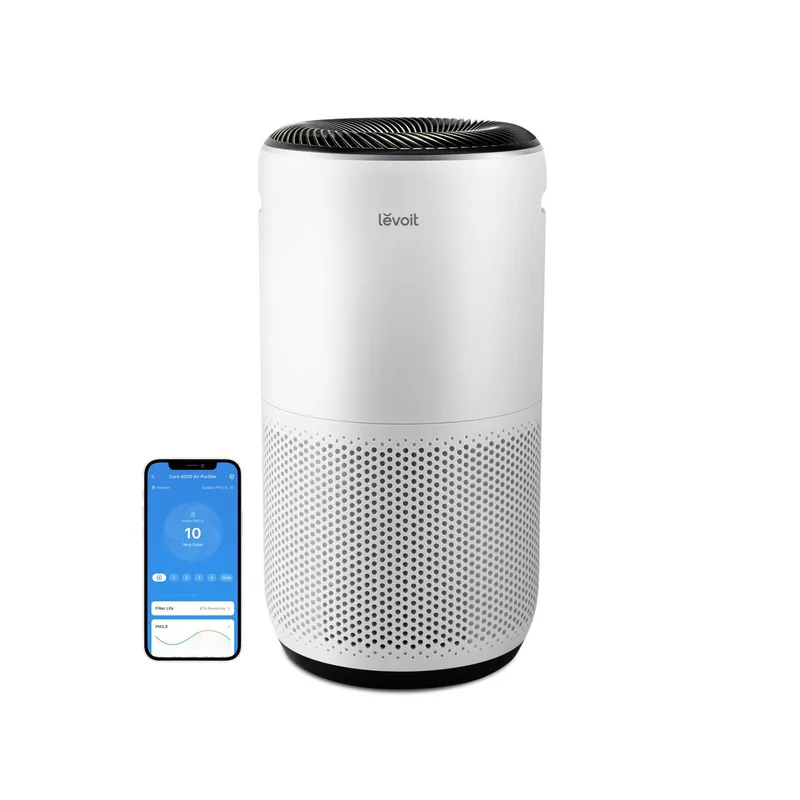
The Levoit Core 400S adds data-driven air quality monitoring to your gym setup through the VeSync app. For home gym owners who want to track how their workouts affect air quality — and verify that their purifier is actually making a difference — the 400S provides the most detailed feedback of any purifier on this list.
The laser-based particle sensor detects PM2.5 changes within seconds. Through the app, you can see real-time readings, historical trends, and correlate air quality drops with specific activities. Start a set of heavy deadlifts and watch PM2.5 spike as chalk and iron dust become airborne. Run a HIIT session and see how elevated breathing and movement disturb settled particles. Over time, this data helps you understand your gym's air quality patterns and optimize purifier placement and settings.
With 256 CADR and 403 sq. ft. coverage, the Core 400S handles moderate gym spaces effectively. The three-stage filtration (pre-filter, H13 HEPA, activated carbon) captures both the particulate and chemical components of gym air pollution. The scheduling feature is valuable for gym use — program the purifier to run on high for 30 minutes before your typical workout time so you start each session with clean air.
At $181.95, the 400S sits in the mid-range of this roundup. It is the best choice for gym owners who value data and smart automation alongside solid core performance.
What We Like
- +Excellent smart app control
- +QuietKEAP technology
- +Large room coverage
- +Auto mode with laser sensor
Could Be Better
- −Filter replacements are pricier
- −Slightly larger footprint
5. Best Budget Compact Addition: Levoit LV-H132
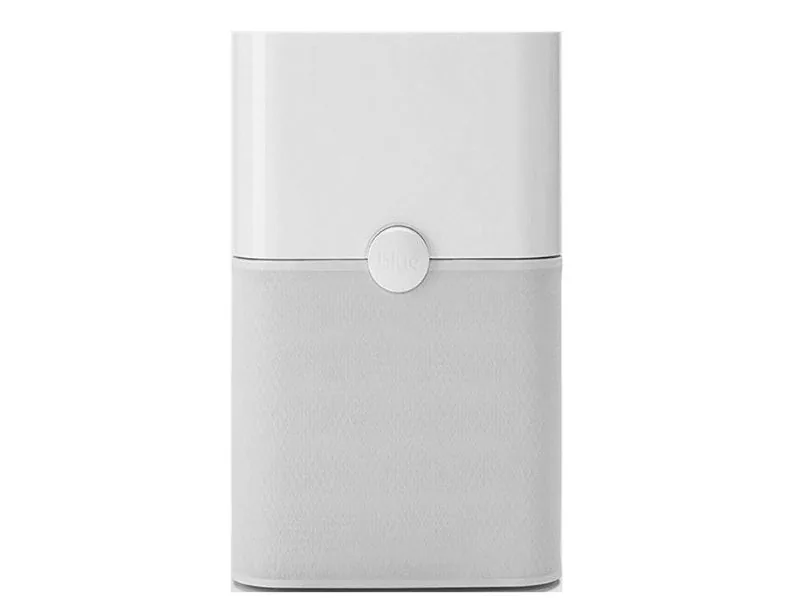
Not every gym setup requires a full-scale purifier in every corner. The Levoit LV-H132 at $69.99 fills a specific niche: a compact secondary unit placed near your primary workout zone to provide localized clean air where you breathe hardest. Position it beside your squat rack, next to the treadmill, or on a shelf near your bench, and it captures dust and rubber off-gassing right at the source.
With True HEPA filtration, an activated carbon filter, and a fine preliminary filter, the LV-H132 delivers three-stage filtration at a fraction of the cost of larger units. Coverage of 129 sq. ft. is limited, but as a targeted zone purifier in a gym that already has a primary unit, it fills the gap effectively. AHAM Verified performance ensures the filtration claims are real.
At 25-50 dB across its three speeds, the LV-H132 runs quietly enough to hear coaching cues and training music. The compact footprint fits on a shelf or bench without encroaching on workout space. For gym owners on a tight budget who want a starting point before investing in a larger unit, the LV-H132 is an affordable entry point that still delivers genuine True HEPA filtration.
What We Like
- +Under $70 — excellent budget pick
- +Optional night light for bedrooms
- +Three-stage filtration at low price
- +Whisper-quiet 25 dB on low
- +Compact and lightweight design
Could Be Better
- −Small coverage at 129 sq. ft.
- −No smart features or app control
- −No air quality sensor or auto mode
- −Manual fan speed control only
Home Gym Air Purifier Placement Tips
Where you position your purifier in a gym space has a larger impact on effectiveness than in almost any other room, because you are generating pollutants actively and breathing heavily in specific locations.
Place the purifier so airflow crosses your workout zone. The goal is for the purifier's intake to pull contaminated air from where you are breathing and the output to push clean air back toward your training area. If the purifier is behind a rack of dumbbells in a far corner, clean air may never reach your squat rack or treadmill.
Elevate the purifier if possible. During exercise, your breathing zone is 4 to 6 feet off the ground for standing exercises and 2 to 3 feet for floor work. Placing the purifier on a shelf or elevated platform puts the intake closer to where you are actually inhaling, improving capture efficiency for the particles that matter most.
Keep it clear of equipment. Leave 12 to 18 inches of clearance around the purifier on all sides. In a crowded home gym, it is tempting to slide the purifier behind a bench or against a rack — this restricts airflow and reduces CADR by 20 to 30%.
Run it before, during, and after. Start the purifier 15 to 20 minutes before your workout to pre-clean the air. Run on high during training. Leave it on medium or auto for at least 30 minutes after your session ends to clear the particulates and moisture your workout generated.
Managing Rubber Mat Off-Gassing
New rubber gym flooring is one of the largest VOC sources in a home gym. Here is how to minimize exposure:
- Air out new mats before installing. Unroll mats in a well-ventilated area — outdoors or in an open garage — for 3 to 7 days before laying them in your gym space. The heaviest off-gassing occurs in the first week.
- Run a carbon-equipped purifier continuously for the first month. After installation, keep the purifier running 24/7 on auto or medium for the first 30 days. VOC levels from new rubber drop significantly after the initial curing period.
- Ventilate during hot weather. Heat accelerates rubber off-gassing. In garage gyms during summer, open the door for airflow during workouts and rely on the purifier to handle residual VOCs after closing up.
The Verdict
For most home gyms, the Honeywell HPA300 at $249.99 is the best choice — its 300 CADR delivers the rapid air exchange that intense training demands, and 465 sq. ft. coverage handles garage and basement gyms. The Coway Airmega AP-1512HH is ideal for smaller dedicated workout rooms where its auto mode responds to workout-generated particle spikes in real time. The Winix 5510 at $179.99 is the best smart value with WiFi app control and PlasmaWave odor control for rubber and sweat smells. The Levoit Core 400S adds smart monitoring for data-driven gym owners. And the Levoit LV-H132 at $69.99 is a compact budget addition for targeted zone coverage near your primary workout area.
The AirQualityNest editorial team researches and reviews products independently to help you find the best options for your needs.
Related Reading
Best Air Purifiers for Dust
Top HEPA purifiers for eliminating household and equipment dust
Air Purifier Sizing Guide
How to match purifier CADR and coverage to your room size
Best Air Purifiers for Large Rooms
High-CADR purifiers for spaces over 400 sq. ft.
How to Improve Indoor Air Quality
Complete guide to reducing indoor pollutants beyond just an air purifier
Continue Reading
Best Air Purifiers for Open Floor Plans in 2026: High-CADR Models That Cover It All
The best air purifiers for open floor plans ranked by CADR, coverage area, and noise. High-performance HEPA purifiers that handle 500-1,500+ sq. ft. open spaces.
Best Smart Humidifiers in 2026 (Wi-Fi, App Control & Auto Humidity)
The best smart humidifiers with Wi-Fi, app control, and auto humidity adjustment. Top picks for Alexa, Google Home, and smart home integration.
The 5 Best Portable Air Quality Monitors in 2026
Monitor your air quality on the go. We tested the best portable and compact air quality monitors for accuracy, battery life, and sensor range.