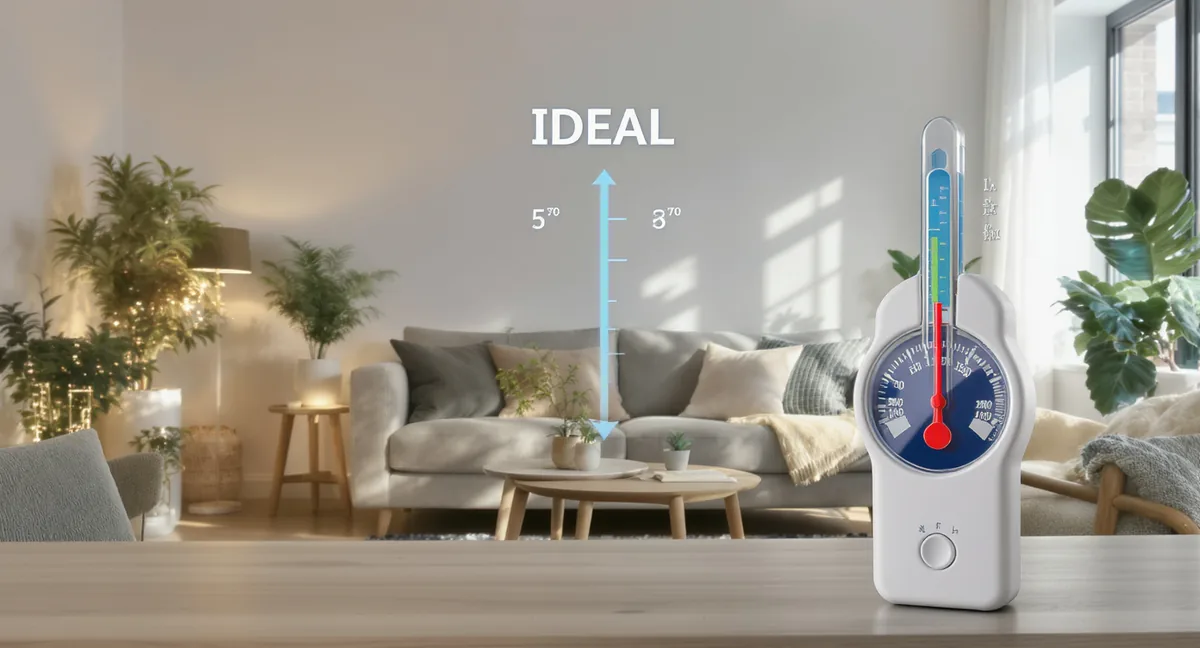
A humidifier and a dehumidifier do opposite things. One adds moisture to the air, the other removes it. If you buy the wrong one, you will make your problem worse — not better. This guide helps you figure out which device you actually need, based on your symptoms, your climate, and the season.
Key Takeaways
- 1A humidifier adds moisture to dry air; a dehumidifier removes excess moisture from humid air — they solve opposite problems
- 2The EPA and ASHRAE recommend keeping indoor relative humidity between 30% and 50% for health and comfort
- 3Signs you need a humidifier: dry skin, nosebleeds, static shocks, cracking wood, humidity below 30%
- 4Signs you need a dehumidifier: musty smell, condensation on windows, mold growth, humidity above 60%
- 5Many homes need both devices at different times of year — a humidifier in winter and a dehumidifier in summer
Quick Answer
Do I need a humidifier or dehumidifier?
It depends on your indoor humidity level. If your humidity is consistently below 30% (common in winter), you need a humidifier to add moisture. If your humidity is consistently above 50-60% (common in summer or basements), you need a dehumidifier to remove moisture. Buy a $10 hygrometer, check your reading, and compare it to the ideal range of 30-50%. Many homes need a humidifier in winter and a dehumidifier in summer.
What Does Each Device Do?
These two devices solve opposite problems. Understanding the difference is the first step to buying the right one.
Humidifier: Adds Moisture to Dry Air
A humidifier releases water vapor into the air, raising the relative humidity level in your room. It pulls water from a built-in tank and disperses it as a fine mist (cool or warm) or through evaporation.
You need one when the air is too dry — typically below 30% relative humidity. This is most common during winter, when heating systems strip moisture from indoor air.
There are three main types:
- Cool mist (ultrasonic) — Vibrates water at ultrasonic frequencies to create a silent, cool mist. Most popular for bedrooms.
- Warm mist — Boils water to create steam. Slightly better at killing waterborne bacteria but poses a burn risk around children.
- Evaporative — Blows air over a wet wick filter. Self-regulating — slows down as humidity rises.
Dehumidifier: Removes Moisture from Humid Air
A dehumidifier pulls excess moisture out of the air and collects it in a tank or drains it through a hose. Most residential dehumidifiers work like an air conditioner in reverse — they draw humid air across cold coils, causing water vapor to condense and drip into a collection bucket.
You need one when the air is too humid — typically above 50-60% relative humidity. This is most common in summer, in basements, and in coastal or humid climates.
The Core Difference
| Feature | Humidifier | Dehumidifier |
|---|---|---|
| Purpose | Adds moisture | Removes moisture |
| When needed | Humidity below 30% | Humidity above 50-60% |
| Typical season | Winter | Summer |
| Common locations | Bedrooms, nurseries, living areas | Basements, bathrooms, laundry rooms |
| Price range | $30-$150 | $150-$300 |
| Maintenance | Refill water tank daily, clean weekly | Empty water bucket or set up drain hose |
Signs You Need a Humidifier
If you experience two or more of these symptoms — especially during winter — your air is probably too dry:
- Dry, cracked skin and lips — Moisturizer helps temporarily, but the root cause is dry air pulling moisture from your skin faster than you can replace it
- Frequent nosebleeds — Dry air dries out nasal membranes, which crack and bleed. Children are especially susceptible.
- Static electricity shocks — Shocking yourself on doorknobs, blankets zapping when you pull them, hair standing on end. Static is a direct indicator of very low humidity.
- Waking up with a dry, scratchy throat — Your throat dries out overnight because the heated air in your bedroom has almost no moisture
- Cracking wood floors and furniture — Solid wood contracts as it loses moisture. Gaps appear between floorboards, joints loosen, and veneers crack.
- Increased cold and flu frequency — Research shows that influenza virus survives longer and transmits more easily in dry air. Low humidity also impairs your nasal passages' ability to trap and expel pathogens.
- Indoor humidity consistently below 30% — This is the definitive sign. If a hygrometer confirms readings below 30%, a humidifier is the clear solution.
When it is worst: Cold winter months, forced-air heating, high-altitude locations, arid climates.
Signs You Need a Dehumidifier
If you notice these problems — especially in summer or in below-grade spaces — your air likely has too much moisture:
- Musty or mildewy smell — This is the most recognizable sign. The smell comes from mold or mildew colonies producing gases called microbial volatile organic compounds (mVOCs). If you smell it, mold is growing somewhere nearby.
- Condensation on windows — Water droplets forming on the inside of windows mean indoor air holds more moisture than the cooler glass surface can handle. This consistently indicates humidity above 60%.
- Visible mold or mildew — Black, green, or white patches on walls, ceilings, grout, or around windows. Mold cannot sustain growth below 50% humidity.
- Peeling wallpaper or bubbling paint — Moisture trapped behind wall surfaces causes adhesives to fail and paint to blister.
- Warped or swelling wood — Doors that suddenly stick in their frames, wood floors that buckle or cup. This is the opposite of the dry-air cracking.
- Allergies that worsen indoors — Dust mites thrive above 50% humidity. If your sneezing, congestion, and itchy eyes are worse inside your home than outside, excess humidity may be feeding a dust mite population.
- Damp or clammy feeling — Rooms feel heavy and uncomfortable. Fabrics feel damp to the touch. Clothes in closets smell stale.
- Indoor humidity consistently above 60% — If a hygrometer reads above 60%, you need active dehumidification. At this level, mold can begin growing on surfaces within 24-48 hours.
When it is worst: Summer months, basements, bathrooms, coastal and southeastern U.S. climates.
The Ideal Humidity Range
The EPA and the American Society of Heating, Refrigerating, and Air-Conditioning Engineers (ASHRAE) both recommend keeping indoor relative humidity between 30% and 50%. The Mayo Clinic offers the same guidance for respiratory health.
Here is what each range means for your home:
| Humidity Level | Status | What to Do |
|---|---|---|
| Below 20% | Severely dry | Humidifier essential — skin damage, respiratory issues, wood damage likely |
| 20-30% | Too dry | Humidifier recommended — symptoms usually noticeable |
| 30-50% | Ideal range | No action needed — maintain this level |
| 50-55% | Slightly high | Monitor; improve ventilation. Dust mites begin thriving. |
| 55-60% | High | Dehumidifier recommended — mold risk increasing |
| Above 60% | Dangerously high | Dehumidifier required — active mold growth begins |
The sweet spot for most people is 40-50%. This range keeps respiratory passages moist, minimizes dust mite and mold populations, prevents wood damage, and feels comfortable.
Seasonal Patterns
Humidity problems are highly seasonal in most of the U.S. Understanding the pattern helps you anticipate which device you will need and when.
Winter = Dry Air = Humidifier Season
Cold air holds less moisture than warm air. When your heating system heats cold outdoor air, the relative humidity plummets — often to 15-25% in homes with forced-air heating. This is well below the healthy 30% minimum.
What happens: The colder it is outside, the drier it is inside. January and February are typically the driest months for indoor air in cold climates.
Solution: Run a humidifier in bedrooms and main living areas from roughly November through March (depending on your climate). Set it to maintain 40-45% humidity.
Summer = Humid Air = Dehumidifier Season
Warm air holds more moisture. When hot, humid outdoor air enters your home — through open windows, leaky seals, or just normal air exchange — indoor humidity can easily climb above 60%.
What happens: Basements are especially vulnerable because cool concrete walls cause warm humid air to condense. Upper floors stay more comfortable if you run air conditioning, which naturally dehumidifies as a byproduct of cooling.
Solution: Run a dehumidifier in basements, crawl spaces, and any room where humidity exceeds 55%. Set it to 45-50%. In the rest of the house, air conditioning may be sufficient.
Spring and Fall = Monitor and Adjust
Transitional seasons vary widely. Spring often brings rain-driven humidity spikes. Fall may have dry days followed by humid stretches. The best approach is to monitor with a hygrometer and respond as needed rather than assuming you need either device.
Regional Considerations
Where you live determines your baseline humidity challenges.
Arid and Desert Climates (Southwest U.S., Mountain West)
- Phoenix, Las Vegas, Denver, Albuquerque, Salt Lake City
- Primary need: Humidifier — year-round in many cases
- Outdoor humidity can drop below 10% in summer. Indoor humidity often stays below 25% even without heating.
- A dehumidifier is rarely needed unless you have a specific water intrusion problem.
Hot and Humid Climates (Southeast U.S., Gulf Coast)
- Houston, Miami, New Orleans, Atlanta, Charleston
- Primary need: Dehumidifier — especially in basements, crawl spaces, and any room without air conditioning
- Summer outdoor humidity regularly exceeds 80%. Even air-conditioned homes can struggle to keep indoor humidity below 55%.
- A humidifier is rarely needed, though some homes get dry in winter with heavy heating use.
Cold and Variable Climates (Midwest, Northeast)
- Chicago, Minneapolis, Boston, Pittsburgh, Detroit
- Primary need: Both — humidifier in winter, dehumidifier in summer
- This is the classic "you need both" region. Winters bring extreme dryness (indoor humidity 15-25%), while summers bring muggy conditions with basement humidity above 65%.
- Budget for both devices over time.
Coastal and Pacific Northwest
- Seattle, Portland, San Francisco, coastal Oregon and Washington
- Primary need: Dehumidifier — particularly in winter and spring
- Mild temperatures but persistent rain and overcast conditions keep humidity elevated year-round. Mold is a common problem in older homes.
- A humidifier is rarely necessary.
Can You Need Both?
Yes, absolutely. This is more common than you might think, and it does not mean anything is wrong with your home. Many homes experience both extreme dryness and extreme humidity — just at different times.
Different Seasons
The most common scenario. In the Midwest, Northeast, and parts of the Mid-Atlantic, you may need:
- A humidifier from November through March (furnace dries out the air)
- A dehumidifier from June through September (summer humidity and basement dampness)
Different Rooms
Even within the same season, different parts of your home can have different humidity levels:
- Bedrooms may be dry (especially upper floors with forced-air heating) — humidifier
- Basement may be humid (below-grade moisture, poor ventilation) — dehumidifier
- Bathroom may spike after showers — exhaust fan or small dehumidifier
After Water Damage
If your home has experienced flooding, a pipe burst, or a roof leak, you may need aggressive dehumidification in the affected area while the rest of the house is at normal or low humidity.
The Bottom Line
Owning both is not unusual. Think of them as seasonal tools — like how you own both a snow shovel and a lawn mower. You just use them at different times.
How to Measure Your Humidity
Do not guess. A $10 hygrometer takes the guesswork out of this decision entirely.
Option 1: Basic Digital Hygrometer ($10-15)
Available at any hardware store or online. Place it in the room you are concerned about, wait 30 minutes to stabilize, and read the display. For the most useful data, check readings at multiple times over 48 hours — morning, afternoon, and night.
Best for: Quick spot-checks, single-room monitoring, confirming whether you need a humidifier or dehumidifier before spending $100+.
Option 2: Smart Air Quality Monitor ($70-300)
A smart monitor tracks humidity continuously and stores historical data so you can see trends over days or weeks. Many also measure PM2.5, VOCs, CO2, and temperature — giving you a complete picture of your indoor environment.
Best for: Ongoing monitoring, identifying patterns (like humidity spikes after cooking or drops overnight), and verifying that your humidifier or dehumidifier is maintaining target levels.
How to Interpret Your Readings
- Take readings for 48-72 hours in the room(s) you are concerned about
- Note the highest sustained reading — brief spikes after cooking or showering do not count
- Compare to the 30-50% ideal range
- If below 30% consistently → humidifier
- If above 55% consistently → dehumidifier
- If within 30-50% → no device needed (save your money)
Decision Guide: Which Device Do You Need?
Use this table to match your situation to the right solution:
| Your Situation | What You Need | Why |
|---|---|---|
| Dry skin, chapped lips, nosebleeds in winter | Humidifier | Air is too dry — below 30% RH |
| Static shocks when touching metal objects | Humidifier | Very low humidity — likely below 25% |
| Cracking hardwood floors or furniture joints | Humidifier | Wood loses moisture below 30% RH |
| Frequent winter colds and sore throats | Humidifier | Dry air weakens mucosal immune defenses |
| Musty smell in basement or closets | Dehumidifier | Mold or mildew actively growing — above 60% RH |
| Condensation on windows | Dehumidifier | Indoor humidity exceeds 60% |
| Visible mold on walls or ceilings | Dehumidifier | Humidity well above 60% — take action immediately |
| Allergies worse indoors than outdoors | Dehumidifier | Dust mites thriving above 50% RH |
| Doors sticking in frames, wood warping | Dehumidifier | Wood swelling from excess moisture |
| Dry winters AND humid summers | Both | Different devices for different seasons |
| Dry upstairs, damp basement | Both | Different devices for different rooms |
| Everything feels comfortable, no symptoms | Neither | Your humidity is likely in the healthy 30-50% range |
Still unsure? Buy a hygrometer first. A $10 hygrometer can save you from spending $100-250 on the wrong device. Measure for 48 hours, then decide.
Our Top Picks
Best Humidifiers
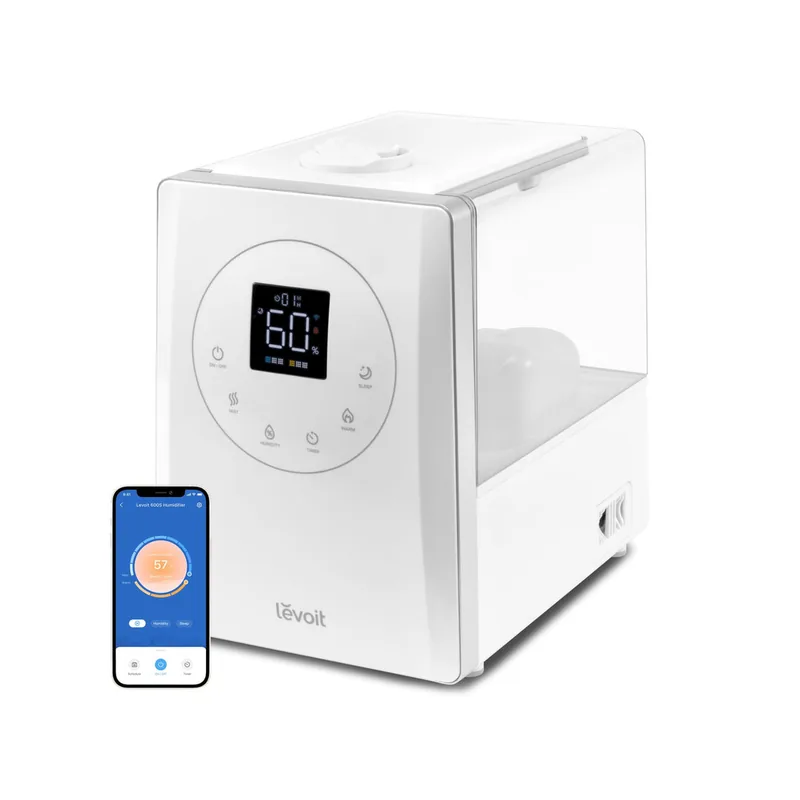
Top Pick: Levoit LV600S — $109.99
The Levoit LV600S is the best humidifier for most homes. Its 6-liter tank runs up to 50 hours on low, so you are not refilling it every day. It offers both warm and cool mist, smart app control, and a built-in humidity sensor that automatically adjusts output to maintain your target level. It covers rooms up to 753 sq. ft., which handles most bedrooms and living rooms.
Why we recommend it: Consistent output, quiet operation, smart auto mode, and a large enough tank for overnight use without running dry.
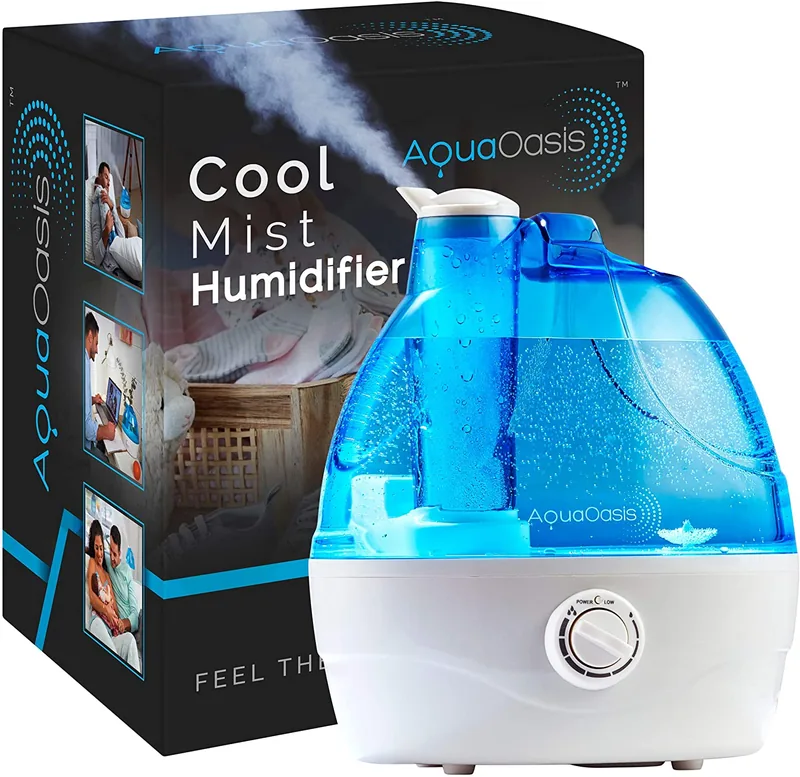
Budget Pick: AquaOasis Cool Mist — $29.99
If you want simple, affordable humidification without smart features, the AquaOasis Cool Mist is hard to beat. Its 2.2-liter tank is smaller (expect 24 hours on low), but for a single bedroom it works well. The 360-degree rotating nozzle lets you direct mist where you need it. No app, no Wi-Fi — just fill, set the dial, and go.
Why we recommend it: Proven reliability at an unbeatable price. Over 100,000 positive reviews from real buyers. Ideal for bedrooms, dorm rooms, and small offices.
Best Dehumidifiers
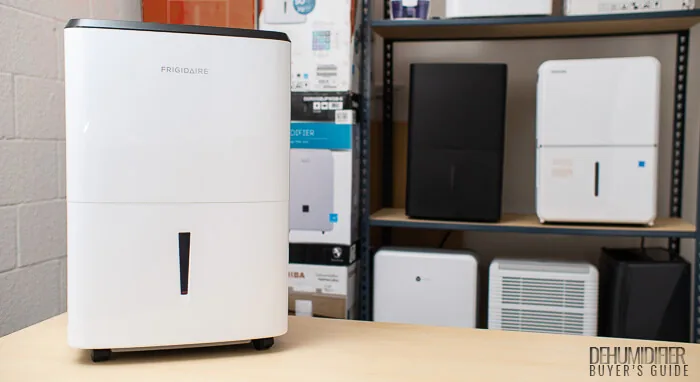
Top Pick: Frigidaire FFAD5033W1 50-Pint — $314
The Frigidaire 50-pint is the most popular dehumidifier in America for good reason. It handles rooms up to 1,500 sq. ft., features a built-in pump for continuous drainage (no emptying a bucket), and includes a washable filter. Set it to 45%, connect a drain hose, and let it run hands-free in your basement.
Why we recommend it: Excellent dehumidification power, continuous drain option, reliable performance, and the best price-to-capacity ratio in its class.
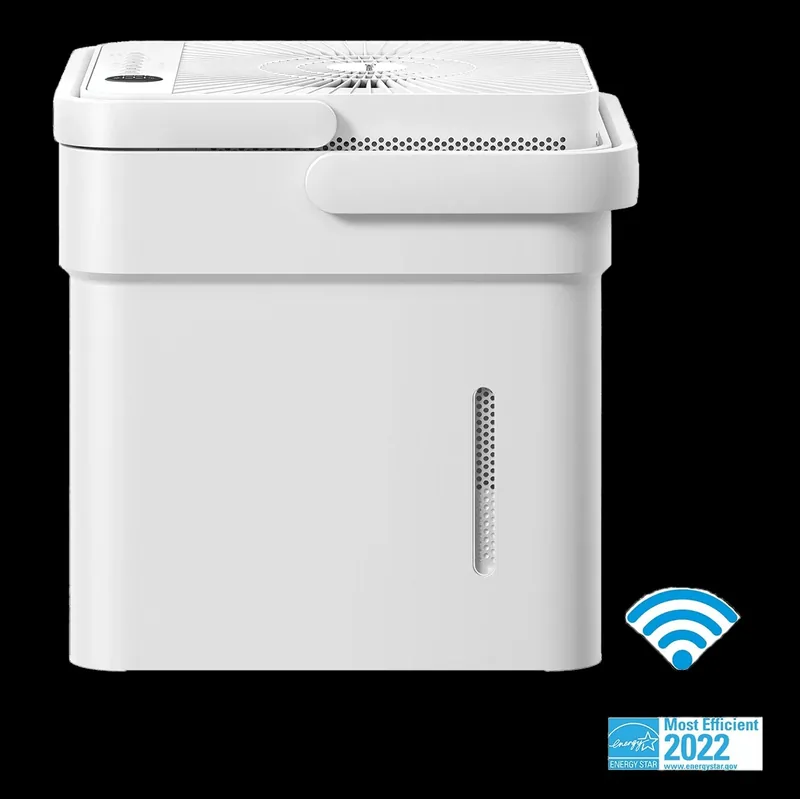
Budget Pick: Midea Cube 20-Pint — $179
For smaller spaces — bedrooms, bathrooms, home offices, or small basements — the Midea 20-pint delivers solid performance at a lower price. It includes Wi-Fi and app control (unusual at this price point), runs quietly enough for bedrooms, and handles rooms up to 500 sq. ft.
Why we recommend it: Wi-Fi enabled, compact size, quiet operation, and strong performance for moderate humidity problems in smaller spaces.
Head-to-Head: Humidifier vs Dehumidifier
Sources & References
- EPA Indoor Air Quality Guide — Recommends maintaining indoor relative humidity between 30-50% to minimize health risks and structural damage
- ASHRAE Standard 55 — Thermal Environmental Conditions — Establishes the 30-60% acceptable humidity range for human comfort in occupied spaces
- Mayo Clinic — Humidifiers: Ease Skin, Breathing Symptoms — Recommends 30-50% indoor humidity and humidifier use for dry skin, sinus problems, and respiratory comfort
This guide was researched and written by the AirQualityNest editorial team. We update our content regularly to reflect the latest products, pricing, and research.
Frequently Asked Questions
What is the difference between a humidifier and a dehumidifier?+
A humidifier adds moisture to the air when it is too dry (below 30% relative humidity), while a dehumidifier removes moisture when it is too humid (above 50-60% relative humidity). They solve opposite problems. A humidifier helps with dry skin, nosebleeds, and static electricity. A dehumidifier helps with mold, musty smells, and condensation. The easiest way to determine which you need is to check your humidity with a hygrometer — if it is below 30%, get a humidifier; if it is above 55%, get a dehumidifier.
Can I use a humidifier and dehumidifier at the same time?+
You should not run both in the same room at the same time — they would work against each other. However, it is perfectly normal to use them in different rooms simultaneously (for example, a humidifier in a dry upstairs bedroom and a dehumidifier in a damp basement). It is also common to use them in the same room at different times of year — a humidifier in winter when heating dries the air, and a dehumidifier in summer when humidity climbs.
How do I know if my house is too dry or too humid?+
The most reliable method is to use a hygrometer (a humidity meter), which costs $10-15 at any hardware store. Place it in the room you are concerned about and check readings over 48 hours. Below 30% is too dry, 30-50% is ideal, and above 55-60% is too humid. Physical symptoms also help: dry skin, static shocks, and nosebleeds indicate dry air, while musty smells, window condensation, and visible mold indicate humid air.
Do I need a dehumidifier if I have air conditioning?+
Maybe not. Air conditioning naturally removes moisture from the air as a byproduct of cooling. In air-conditioned rooms, humidity often stays within an acceptable range without a dedicated dehumidifier. However, basements, crawl spaces, and rooms without AC vents may still need a dehumidifier. If your AC-cooled rooms still feel clammy or a hygrometer reads above 55%, a dehumidifier will help. Basements almost always benefit from a separate dehumidifier regardless of your AC.
What humidity level should I set my humidifier or dehumidifier to?+
Set either device to maintain humidity between 40% and 50%. For a humidifier, setting it to 45% ensures the air stays comfortably moist without creating condensation on cold windows. For a dehumidifier, setting it to 45-50% prevents mold growth while keeping the air from feeling overly dry. Many modern humidifiers and dehumidifiers have built-in hygrometers and auto modes that maintain your target humidity automatically.
Related Reading
Humidity and Health
Deep dive into how humidity affects respiratory health, immune function, and comfort
Best Humidifiers
Our top humidifier picks for every budget and room size
Best Dehumidifiers for Basements
Top dehumidifiers ranked for basement moisture control
Do I Need a Dehumidifier?
Warning signs, testing methods, and sizing guide for dehumidifiers
Air Purifier vs Humidifier
How air purifiers and humidifiers differ and when you need each
Continue Reading

Best Air Purifiers for Open Floor Plans in 2026: High-CADR Models That Cover It All
The best air purifiers for open floor plans ranked by CADR, coverage area, and noise. High-performance HEPA purifiers that handle 500-1,500+ sq. ft. open spaces.
Best Smart Humidifiers in 2026 (Wi-Fi, App Control & Auto Humidity)
The best smart humidifiers with Wi-Fi, app control, and auto humidity adjustment. Top picks for Alexa, Google Home, and smart home integration.
The 5 Best Portable Air Quality Monitors in 2026
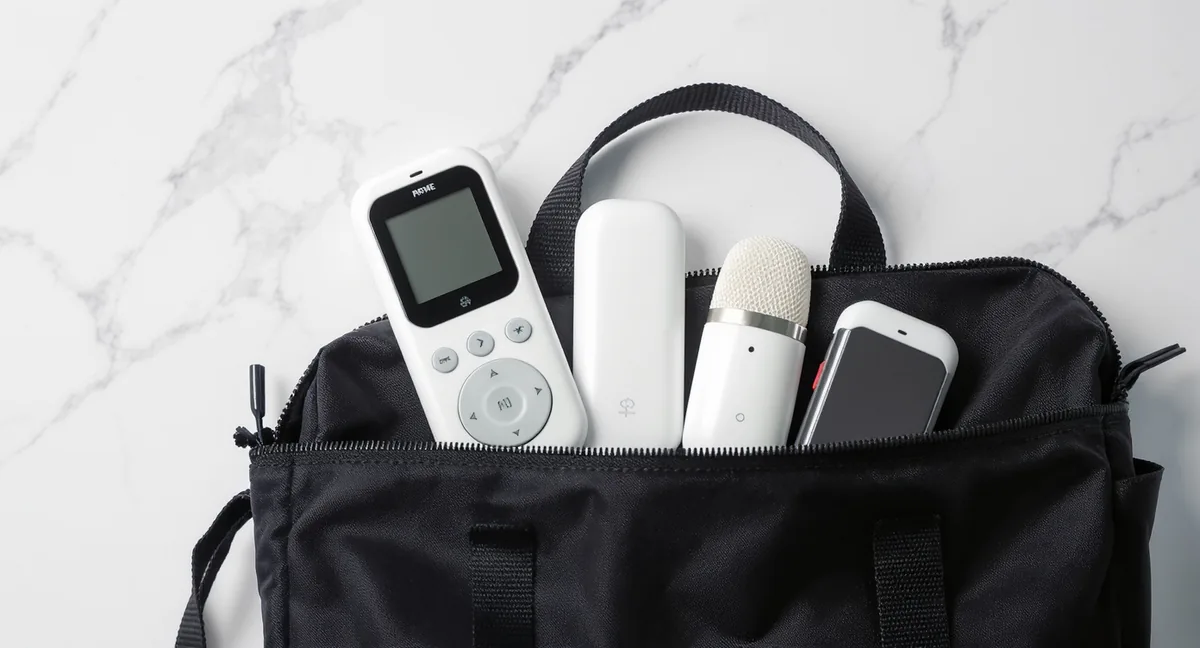
Monitor your air quality on the go. We tested the best portable and compact air quality monitors for accuracy, battery life, and sensor range.