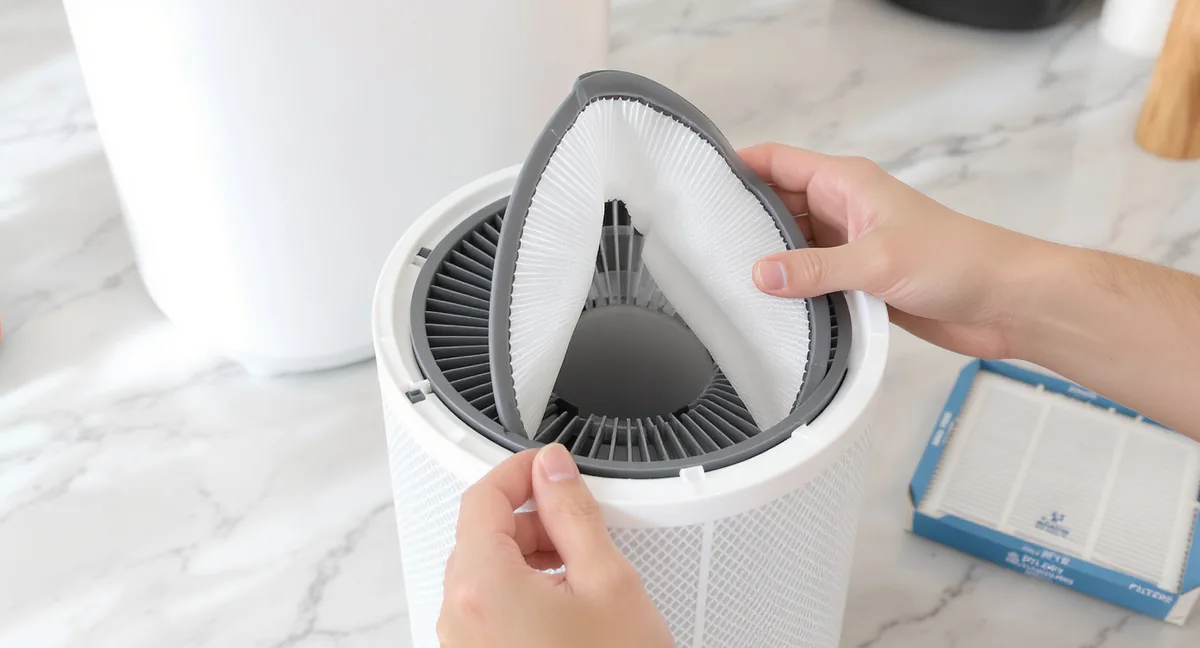
Fall is the last window you have to prepare your indoor air before winter seals everything in. Once temperatures drop and windows close for good, your home becomes a closed system — recirculating whatever is already inside while your heating system stirs up dust that has been settling in ductwork since spring. The furnace that has sat idle for months fires up and burns off a summer's worth of accumulated dust, filling the house with that unmistakable "first heat" smell. Humidity drops, indoor air dries out, and allergy triggers shift from summer pollens to ragweed and mold spores from decomposing leaves.
The transition from cooling season to heating season is the most disruptive shift your indoor air quality experiences all year. Everything changes at once: the HVAC switches modes, the house envelope tightens, humidity plummets, and a new set of allergens moves in. What you do in September and October determines whether you spend November through March breathing clean air or living with the consequences of deferred maintenance.
This guide covers every fall air quality task worth doing, organized by priority and effort level, with specific product recommendations where they make the most impact.
Key Takeaways
- 1Replace your furnace filter before the first use of the season — a dirty filter from spring recirculates dust, allergens, and potentially mold spores through your entire home the moment the heat kicks on
- 2Fall allergens (ragweed and outdoor mold from decomposing leaves) peak in September and October, requiring different strategies than spring pollen season
- 3Indoor humidity drops rapidly once heating begins — levels below 30% cause dry skin, respiratory irritation, increased static, and cracked wood floors and furniture
- 4Your air purifier's HEPA filter needs inspection or replacement before winter, which is the highest-use season — a filter that has been running since spring may have reduced capacity right when you need it most
- 5The Coway Airmega AP-1512HH is our top recommendation for year-round home use, with a built-in air quality sensor that automatically adjusts to seasonal changes in pollutant levels
Quick Answer
What should I do to prepare my home's air quality for fall and winter?
Start with your HVAC system: replace the furnace filter (upgrade to MERV-13 if your system supports it), schedule professional duct cleaning if it has been more than 3-5 years, and run the heat briefly before you need it to burn off accumulated dust while windows are still open. Check your air purifier's HEPA filter and replace it if it has more than 6 months of use. Inspect weatherstripping around windows and doors. Address any basement moisture from fall rains before sealing the house for winter. These steps take a single weekend and determine your air quality for the next 4-5 months.
Why Fall Is the Critical Transition
Every other season is relatively stable from an indoor air quality perspective. Summer means AC running, windows occasionally open, higher humidity. Winter means heat running, house sealed, dry air. Spring and fall are the transitions — but fall is uniquely consequential because it determines the conditions you live with for the longest sealed-up stretch of the year.
Here is what changes in the span of a few weeks:
Your HVAC system switches from cooling to heating. This is not just a thermostat toggle. Your cooling system pulls air through an evaporator coil and dehumidifies it. Your heating system pushes air across a heat exchanger and through ductwork that has been accumulating dust all summer. Different components, different airflow patterns, different pollutant profiles.
The house envelope tightens. As temperatures drop, you close windows, seal storm windows, and (ideally) check weatherstripping. Ventilation decreases dramatically. According to the EPA, tightly sealed homes can have 2-5 times higher concentrations of certain pollutants than outdoor air — and winter tightening amplifies this effect.
Humidity drops. Cold air holds less moisture. Heating that cold air drops its relative humidity further. A home that sat at a comfortable 50% relative humidity in summer can drop to 15-20% in winter without intervention. This dries out mucous membranes, increases susceptibility to respiratory infections, and creates an uncomfortable living environment.
Allergen sources shift. Ragweed peaks in September. Outdoor mold from decomposing leaves peaks from September through November. And indoor allergens — dust mites, pet dander, and indoor mold — become more concentrated as the house seals up and recirculates the same air.
Addressing all of this before the first sustained cold snap saves you from playing catch-up in November when the problems are already entrenched.
HVAC Maintenance Before Heating Season
Your HVAC system is the lungs of your home. If it starts the heating season dirty, everything that follows is compromised.
Replace the Furnace Filter
This is the single most important fall maintenance task, and the easiest to do. A furnace filter that has been in place since spring has months of accumulated dust, pollen, and potentially mold on it. The moment your furnace kicks on, it pushes air through that loaded filter — and if the filter is past its capacity, particles blow through into your living spaces.
What filter to choose:
- MERV-8 is the minimum for basic dust capture. This is what most homes have by default.
- MERV-11 captures smaller particles including mold spores, dust mite debris, and pet dander.
- MERV-13 is the highest rating most residential HVAC systems can handle without airflow restriction. It captures particles down to 0.3 microns, including bacteria and smoke particles. According to ASHRAE, MERV-13 filters are effective at reducing airborne virus transmission — a consideration for cold and flu season.
- MERV-16 and above — do not use these unless your HVAC system is specifically designed for them. They restrict airflow in standard residential systems, causing the blower to work harder, reducing efficiency, and potentially damaging the system.
Check your system's manual or the filter slot dimensions to confirm what MERV rating your system can handle. When in doubt, MERV-11 is a safe upgrade from MERV-8 that meaningfully improves filtration without risking airflow problems.
Schedule Duct Cleaning
If it has been more than 3-5 years since your ductwork was cleaned — or if you have never had it done — fall is the time. Ducts accumulate dust, pet dander, pollen, and potentially mold over years. According to the National Air Duct Cleaners Association (NADCA), duct cleaning is recommended when there is visible mold growth, evidence of pest infestation, or excessive dust accumulation.
Professional duct cleaning typically costs $300-500 for a standard home and takes 3-5 hours. It is not something you need annually, but doing it before a long heating season prevents months of recirculated contamination.
Test the System Before You Need It
Run your furnace for 30 minutes on a mild day in early October when you can still open windows. This serves two purposes: it reveals any mechanical issues before you need heat urgently, and it burns off the accumulated dust that produces that "first heat" smell in a ventilated environment rather than a sealed house.
Fall Allergens: Ragweed and Mold
Fall allergies are driven by different triggers than spring, and they require a slightly different approach.
Ragweed
Ragweed is the dominant fall allergen across most of the United States. According to the Asthma and Allergy Foundation of America, a single ragweed plant can produce up to one billion pollen grains in a season, and those grains travel hundreds of miles on wind currents. Peak ragweed season runs from mid-August through October, with the highest concentrations typically in mid-September.
Ragweed pollen grains are 18-20 microns — easily captured by any True HEPA filter. The challenge is volume and duration. If you suffer from ragweed allergies, September and October demand the same strategies as spring pollen season: keep windows closed on high-count days, run your purifier on high for 30-60 minutes after coming home, and shower before bed to remove pollen from hair and skin.
Outdoor Mold from Fallen Leaves
As leaves fall and decompose, they create a damp environment where outdoor mold thrives. Raking leaves, walking through piles, or mowing over leaf debris sends concentrated bursts of mold spores into the air — and into your home via clothing, shoes, and open doors.
Mold spores are smaller than pollen (1-30 microns) but still well within HEPA capture range. The peak outdoor mold season runs from September through November, overlapping with ragweed. For allergy sufferers, this double exposure makes fall a particularly miserable season.
Practical tips: Rake or blow leaves while wearing a mask. Change clothes after extended outdoor time in fallen leaves. Keep leaf piles away from your home's foundation and any air intake vents. Bag leaves promptly rather than leaving piles to decompose in the yard.
The First-Heat Problem
Everyone recognizes the smell: you turn on the furnace for the first time in months, and the house fills with a dry, slightly burning odor. That is not harmless — it is dust, lint, and organic debris that has settled on heat exchangers, burners, and ductwork surfaces all summer. When the system fires up, this material gets heated and some of it combusts, releasing fine particles and volatile organic compounds into your home.
According to expert recommendations, the best approach is to run the heat before you actually need it — on a mild day in early October when you can open windows for ventilation. Run it for 30-60 minutes. This burns off the surface contamination while you have the ability to flush it out of the house. Doing this on the first cold night in November, when every window is sealed, means you and your family breathe everything that burns off.
If you have an air purifier, run it on high during and after the first furnace use. A HEPA filter captures the fine particles released during burnoff, significantly reducing what reaches your lungs.
Humidity Starts Dropping Now
Indoor humidity is one of the most consequential air quality factors, and it shifts dramatically during the fall transition. In summer, you may have been managing humidity levels of 50-60% — potentially running a dehumidifier or relying on your AC's dehumidification. By late fall, those levels can plummet to 20-30% or even lower once heating is running continuously.
Why this matters:
- Below 30% relative humidity, mucous membranes in the nose and throat dry out, reducing your body's natural defense against airborne viruses and bacteria. Multiple studies have linked low indoor humidity to increased respiratory infection rates during winter.
- Dry air worsens allergy symptoms by irritating already-inflamed nasal passages and making them more reactive to allergens.
- Skin dries out, cracking and itching intensifies, and eczema flares become more common.
- Wood floors, furniture, and musical instruments can crack or warp in sustained low humidity.
- Static electricity becomes a constant nuisance, damaging sensitive electronics and making every doorknob a shock hazard.
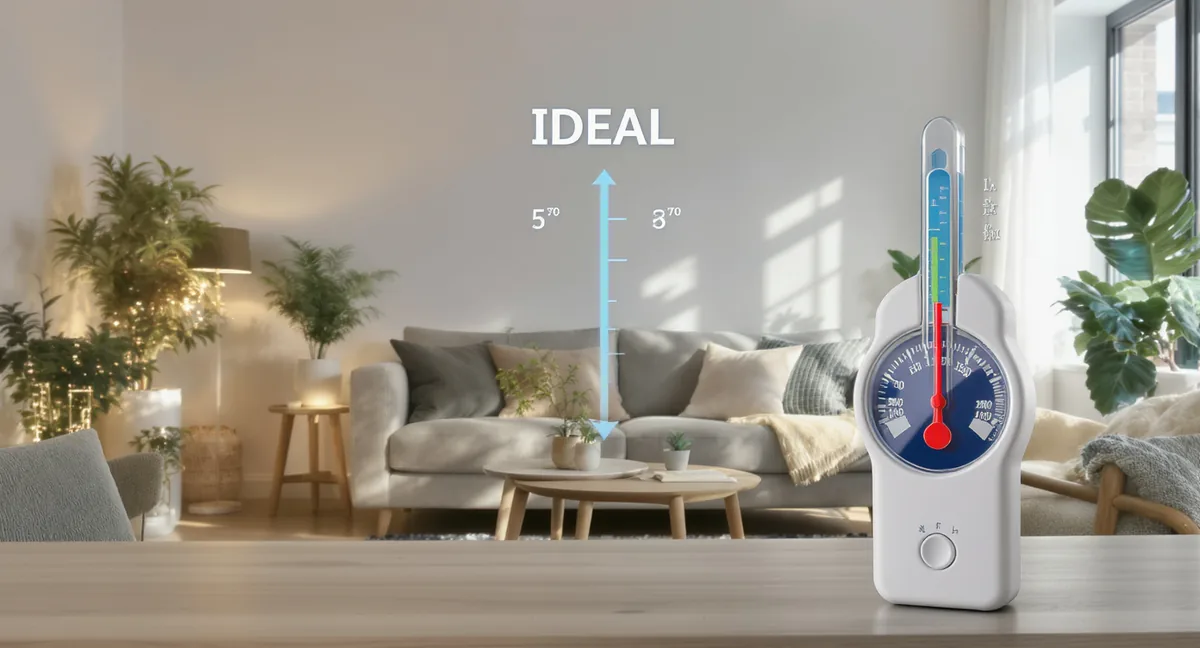
The EPA and ASHRAE recommend maintaining indoor humidity between 30% and 50%. A basic hygrometer ($8-12) lets you monitor levels so you know when intervention is needed. If your home drops below 30%, a humidifier becomes a worthwhile addition — see our humidity and health guide for detailed recommendations.
Air Purifier Maintenance for Winter
Winter is the highest-use season for your air purifier. The house is sealed, ventilation is minimal, and the purifier is your primary defense against accumulated indoor pollutants. A purifier that enters winter with a tired filter is like starting a marathon with worn-out shoes — it will get you partway, but it will not perform when you need it most.
HEPA filter check: If your current HEPA filter has been in use since spring (6+ months), replace it before winter. A partially loaded filter has reduced airflow, lower effective CADR, and diminished particle capture efficiency. Fresh HEPA media is most effective — and winter is when you will need that effectiveness most.
Pre-filter cleaning: Vacuum or rinse the pre-filter (if your model has a washable one). A clean pre-filter protects the HEPA filter from large particles and maintains airflow.
Carbon filter replacement: Activated carbon filters lose absorption capacity over time, even during periods of lighter use. A fresh carbon filter heading into winter is especially valuable because the sealed home concentrates VOCs from cooking, cleaning products, and off-gassing furniture.
Sensor cleaning: If your purifier has an air quality sensor, clean the sensor port with a dry cotton swab. A dirty sensor causes inaccurate readings, which means auto mode will not respond properly to pollution spikes from cooking, cleaning, or the first furnace use.
For a complete maintenance walkthrough, see our air purifier maintenance guide.
Our Top Pick for Year-Round Protection
For homes that need a reliable air purifier through all four seasons — including the demanding fall-to-winter transition — the Coway Airmega AP-1512HH is our consistent recommendation.
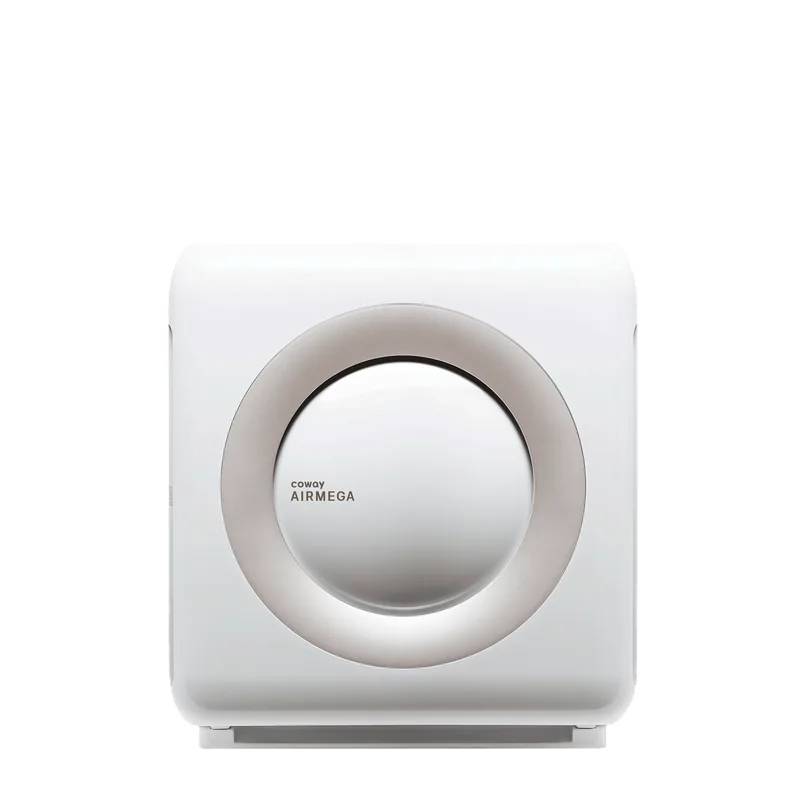
The Coway AP-1512HH has been the top-recommended air purifier among consumer research publications for years, and for good reason. Its combination of True HEPA filtration, a built-in air quality sensor with color-coded indicator, auto mode that adjusts fan speed in real time, and proven long-term reliability makes it the set-and-forget choice for most homes.
Why it excels during the fall transition:
- Built-in air quality sensor detects the pollution spike when you first run the furnace, when you come home covered in ragweed pollen, or when cooking fumes concentrate in a sealed house — and automatically ramps up the fan speed
- Eco mode turns the fan off when air quality is consistently good, then reactivates when particles are detected. During fall, this means it runs harder when allergens are high and conserves energy when the air is clean.
- 361 sq. ft. coverage handles living rooms, master bedrooms, and open-plan kitchens — the spaces where you spend the most time
- 24.4 dB on low is quiet enough for bedroom use overnight
- Filter replacement indicator takes the guesswork out of maintenance timing
The Coway's four-stage filtration (pre-filter, carbon filter, True HEPA, ionizer) addresses the full range of fall and winter pollutants: ragweed pollen, mold spores, dust stirred up by the furnace, cooking particles, and VOCs from reduced ventilation.
Basement Moisture from Fall Rains
Fall rain saturates the ground around your foundation, and that moisture migrates into basements and crawl spaces. Even basements that stay dry in summer can develop moisture problems in October and November as the water table rises and rain-soaked soil presses against foundation walls.
Signs of basement moisture problems:
- Musty smell when you enter the basement
- Condensation on basement windows or cold water pipes
- White crystalline deposits (efflorescence) on concrete walls — mineral salts left behind as moisture evaporates through the concrete
- Damp spots on walls or floors, especially after heavy rain
- Elevated humidity readings (above 60%) on a hygrometer placed in the basement
Why it matters for whole-home air quality: Air moves upward through your home via the stack effect. Warm air rises and exits through upper floors, pulling replacement air up from the basement. According to building science research, 40-50% of the air on your first floor originated in the basement or crawl space. If that air carries mold spores and excess moisture, it affects every level of the house.
What to do:
- Check gutters and downspouts — clogged gutters overflow near the foundation, and short downspouts dump water right at the base of the house. Extend downspouts to discharge at least 6 feet from the foundation.
- Grade soil away from the foundation so water drains outward rather than pooling against walls.
- Run a dehumidifier in the basement to maintain humidity below 50%. See our guide on whether you need a dehumidifier for detailed guidance.
- Seal visible cracks in foundation walls with hydraulic cement or polyurethane caulk.
- Consider a sump pump if your basement has recurring water intrusion during heavy rains.
Monitoring Your Air Quality Through the Transition
The fall transition involves so many simultaneous changes that monitoring gives you visibility into what is actually happening in your home rather than guessing.
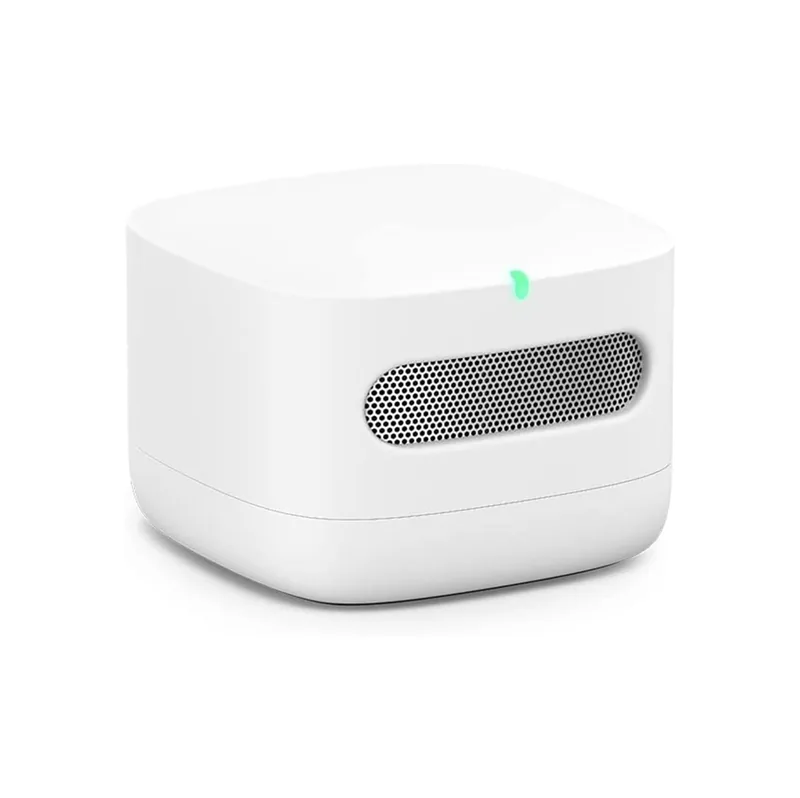
The Amazon Air Quality Monitor is a budget-friendly option at $49.99 that tracks PM2.5, VOCs, CO2, temperature, and humidity — all the metrics that shift during the fall transition. The color-coded display provides at-a-glance readings, and Alexa integration lets you check air quality by voice.
How to use it during fall:
- Place it in your main living area and watch for spikes when the furnace first fires, when you cook with windows closed, or on high ragweed days
- Track humidity as it drops — this tells you when to start running a humidifier
- Monitor CO2 levels to ensure your sealed-up home still has adequate ventilation
- Compare readings before and after HVAC filter changes to see the real impact of maintenance
At $49.99, it is an accessible entry point for anyone who wants data about their indoor air rather than guessing whether their maintenance efforts are working.
Weatherstripping and Insulation Check
Fall is the time to inspect the seals that determine how much outdoor air infiltrates your home — and how much conditioned air escapes.
Windows: Check weatherstripping around every operable window. Old weatherstripping cracks, compresses, and peels away, creating gaps that leak air. Hold a lit incense stick near window edges on a windy day — visible smoke deflection reveals leaks. Foam or rubber weatherstripping is inexpensive ($5-10 per window) and installs in minutes.
Exterior doors: The bottom door sweep and the weatherstripping around the frame are the primary seals. Check them for compression, cracks, and gaps. A door that lets daylight through the edges when closed is leaking air.
Attic access: If you have an attic hatch or pull-down stairs, check the seal around the frame. Unsealed attic access points are among the largest air leaks in most homes, allowing hot attic air to enter in summer and cold drafts in winter.
Electrical outlets and switches on exterior walls: These are common infiltration points. Foam gaskets ($3-5 for a pack) installed behind the cover plates reduce drafts.
The balance between sealing and ventilation: Tighter sealing reduces energy costs and keeps allergens out, but it also reduces fresh air exchange. In a tightly sealed home, mechanical ventilation or regular window opening becomes important to prevent CO2 and VOC buildup. If you seal your home aggressively, monitor CO2 levels to ensure you are not creating a different problem.
Fall Air Quality Checklist
Here is the complete list, organized by when to tackle each task.
Early September (before allergen season peaks):
- Replace air purifier HEPA filter if it has 6+ months of use
- Clean air purifier pre-filter and sensor
- Stock up on allergy medication if you suffer from ragweed or mold allergies
- Start keeping windows closed on high ragweed days
Late September / Early October:
- Replace furnace filter (upgrade to MERV-11 or MERV-13 if possible)
- Run furnace for 30-60 minutes on a mild day with windows open
- Schedule duct cleaning if it has been 3+ years
- Check basement for moisture and run dehumidifier if needed
October:
- Inspect weatherstripping on all windows and exterior doors
- Clean gutters and extend downspouts
- Rake leaves away from foundation and air intake vents
- Set up a hygrometer to start monitoring indoor humidity
November (before sustained cold weather):
- Verify furnace is running correctly before you depend on it nightly
- Install humidifier if humidity has dropped below 30%
- Confirm air purifier filter status for the long winter ahead
- Seal any remaining air leaks found during windy days
This guide was researched and written by the AirQualityNest editorial team. We update our content regularly to reflect the latest products, pricing, and research.
Frequently Asked Questions
When should I replace my furnace filter for fall?+
Replace your furnace filter before the first use of the heating season — typically in late September or early October. Even if the existing filter looks clean, it has been collecting dust and potentially mold during the humid summer months. Starting the heating season with a fresh filter ensures maximum airflow and filtration from day one. If you use a MERV-11 or higher filter, check it monthly during heavy use and replace it every 60-90 days.
Why does my house smell when I first turn on the heat?+
The burning or musty smell when you first run the furnace is dust, lint, and organic debris that has settled on heat exchangers and in ductwork during the months the system was idle. This material heats up and partially combusts when the furnace fires. It typically dissipates within 30-60 minutes. To minimize the impact, run the furnace on a mild day when you can open windows for ventilation, and run an air purifier on high during and after.
Should I get my air ducts cleaned every year?+
No. According to the EPA and NADCA, duct cleaning is not necessary annually for most homes. It is recommended when you see visible mold growth inside ducts, evidence of pest infestation, or excessive dust coming from supply registers. For most homes, every 3-5 years is sufficient. If you have pets, recent renovations, or someone with severe allergies, more frequent cleaning may be warranted.
What humidity level should I maintain in winter?+
The EPA and ASHRAE recommend 30-50% relative humidity year-round. In winter, aim for the 35-45% range. Below 30% causes dry skin, respiratory irritation, and increased susceptibility to respiratory infections. Above 50% in a cold climate risks condensation on windows and in wall cavities, which can cause mold growth. A hygrometer in your main living area lets you monitor levels and adjust humidifier output accordingly.
How often should I replace my air purifier filter in winter?+
Most HEPA filters last 6-12 months depending on air quality and usage. In winter, when the house is sealed and the purifier runs more heavily, filters load up faster. Check your purifier's filter indicator monthly and replace when prompted. If your model does not have an indicator, plan on replacing the HEPA filter every 6-8 months during heavy-use periods. Starting winter with a fresh filter ensures full performance through the season.
Related Reading
Air Purifier Maintenance Guide
Complete guide to keeping your air purifier running at peak performance
How to Improve Indoor Air Quality
A comprehensive guide to cleaner air in any home or apartment
Best Air Purifiers for Allergies
Top HEPA purifiers ranked for allergy relief performance
Do I Need a Dehumidifier?
How to tell if excess moisture is a problem in your home and what to do about it
Continue Reading

Best Air Purifiers for Open Floor Plans in 2026: High-CADR Models That Cover It All
The best air purifiers for open floor plans ranked by CADR, coverage area, and noise. High-performance HEPA purifiers that handle 500-1,500+ sq. ft. open spaces.
Best Smart Humidifiers in 2026 (Wi-Fi, App Control & Auto Humidity)
The best smart humidifiers with Wi-Fi, app control, and auto humidity adjustment. Top picks for Alexa, Google Home, and smart home integration.
The 5 Best Portable Air Quality Monitors in 2026
Monitor your air quality on the go. We tested the best portable and compact air quality monitors for accuracy, battery life, and sensor range.