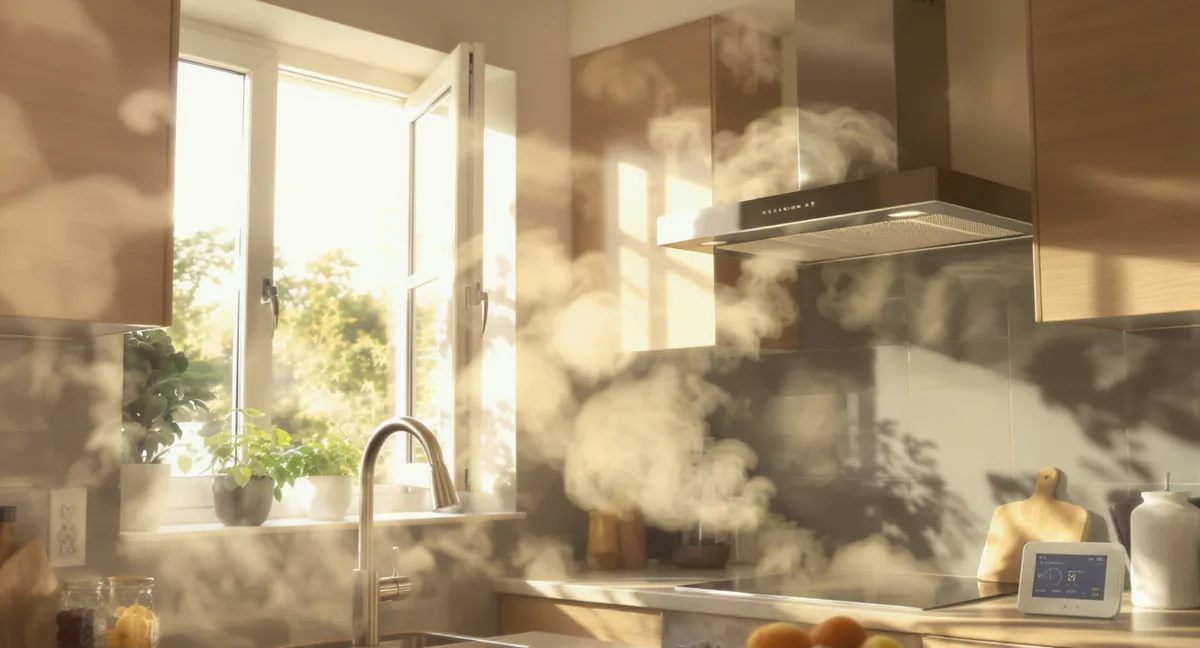
Renters face a frustrating air quality paradox: you are legally responsible for living in the space, but you have almost no control over the systems that determine what you breathe. You cannot replace the HVAC system, upgrade the windows, install a whole-house air filtration unit, or rip out the 20-year-old carpet that reeks of previous tenants. Your landlord controls the building infrastructure, and your lease controls what you can modify. Every improvement has to be portable, non-permanent, and something you can take with you when you move.
The good news is that portable solutions have become remarkably effective. A well-chosen air purifier, a standalone air quality monitor, and some practical habits can dramatically improve the air in any rental — from a century-old walk-up to a modern apartment complex. This guide covers everything renters can actually do, what to ask landlords for, and what legal protections exist for air quality issues.
Key Takeaways
- 1Renters can achieve meaningful air quality improvement using only portable, non-permanent devices — no modifications to HVAC, windows, or building systems required
- 2The Levoit Core 300 ($99.00) is the best entry-level purifier for renters: portable, compact, effective for rooms up to 219 sq. ft., and easy to move between apartments
- 3Common renter-specific pollutant sources include old carpet VOCs, lead paint dust in pre-1978 buildings, neighbor cigarette smoke infiltration through shared walls and ventilation, and landlord-deferred HVAC maintenance
- 4A $30 air quality monitor like the Amazon Air Quality Monitor gives you data to identify problems and — critically — document air quality issues when negotiating with landlords or filing complaints
- 5Most states require landlords to maintain habitable conditions including functioning ventilation and freedom from environmental hazards — knowing your rights gives you leverage for air quality requests
Quick Answer
How can renters improve indoor air quality without modifications?
The most impactful step is a portable HEPA air purifier. The Levoit Core 300 at $99.00 covers rooms up to 219 sq. ft., runs quietly at 24 dB on low, and goes with you when you move. Pair it with a standalone air quality monitor (like the Amazon Air Quality Monitor at around $30) to identify when and where problems occur. Beyond devices, seal gaps under doors with removable draft stoppers to block neighbor smoke, run exhaust fans during and after cooking, control humidity with a portable dehumidifier if needed, and request HVAC filter changes from your landlord every 90 days. These portable, non-permanent solutions can reduce indoor particulate levels by 50-80% without violating any lease terms.
The Renter's Air Quality Problem
Homeowners can install whole-house air filtration, upgrade HVAC systems, replace windows, and make permanent modifications to address air quality. Renters get none of that. Here is what makes rental air quality uniquely challenging:
You Inherit Previous Tenants' Problems
Every renter before you left something behind in the air. Cigarette smoke compounds embed in walls, carpet fibers, and soft furnishings — a phenomenon called thirdhand smoke — and continue off-gassing for months or years after the smoker moves out. Pet dander from previous tenants' animals persists in carpet padding and ductwork even after professional cleaning. Cooking residue coats kitchen surfaces and HVAC returns. You are breathing the accumulated history of everyone who lived there before you.
Old Carpet Is a VOC Factory
Carpeting in rental units is often old, cheaply manufactured, or both. New low-grade carpet releases formaldehyde, styrene, and 4-phenylcyclohexene (the "new carpet smell"). Old carpet traps and re-releases dust mite allergens, mold spores, pet dander, and tracked-in pollutants. Carpet padding — especially the rebond foam padding common in apartments — off-gasses VOCs throughout its life. And you cannot rip it out without losing your deposit.
Lead Paint Dust in Older Buildings
If your rental was built before 1978, there is a reasonable chance it contains lead-based paint. When this paint deteriorates — chipping, peeling, or disturbed by friction on window sashes and door frames — it creates lead-contaminated dust that settles on surfaces and becomes airborne when disturbed. According to the EPA, lead paint dust is the primary source of lead exposure in children today. Renters in older buildings should be aware of this risk, especially those with young children.
Neighbor Smoke Infiltration
In multi-unit buildings, your air quality depends partly on your neighbors' habits. Cigarette and cannabis smoke migrates between units through shared walls, ventilation ducts, electrical outlets, plumbing penetrations, and gaps around doors. According to research from the Tobacco Control journal, non-smoking residents in multi-unit housing have measurably higher levels of secondhand smoke exposure than those in detached homes. You cannot control what your neighbor does in their unit — but you can filter what reaches yours.
Deferred HVAC Maintenance
Landlords are responsible for maintaining HVAC systems, but many defer maintenance to minimize costs. Dirty air filters that should be replaced every 90 days may go 6 to 12 months without changing. Ductwork accumulates decades of dust, mold, and debris that gets recirculated every time the system runs. Evaporator coils grow mold in humid climates. As a renter, you are dependent on your landlord's maintenance schedule — which may not match what your lungs need.
What You Can Control: Portable Solutions
Every recommendation below uses portable, non-permanent devices and methods that require zero landlord permission and zero property modification. Everything goes with you when you move.
1. A Portable HEPA Air Purifier
This is the single highest-impact purchase a renter can make for air quality. A True HEPA H13 air purifier captures 99.97% of airborne particles down to 0.3 microns — including dust, pollen, mold spores, pet dander, smoke particles, and fine particulate matter. It works independently of your building's HVAC system, requires no installation, and plugs into any standard outlet.
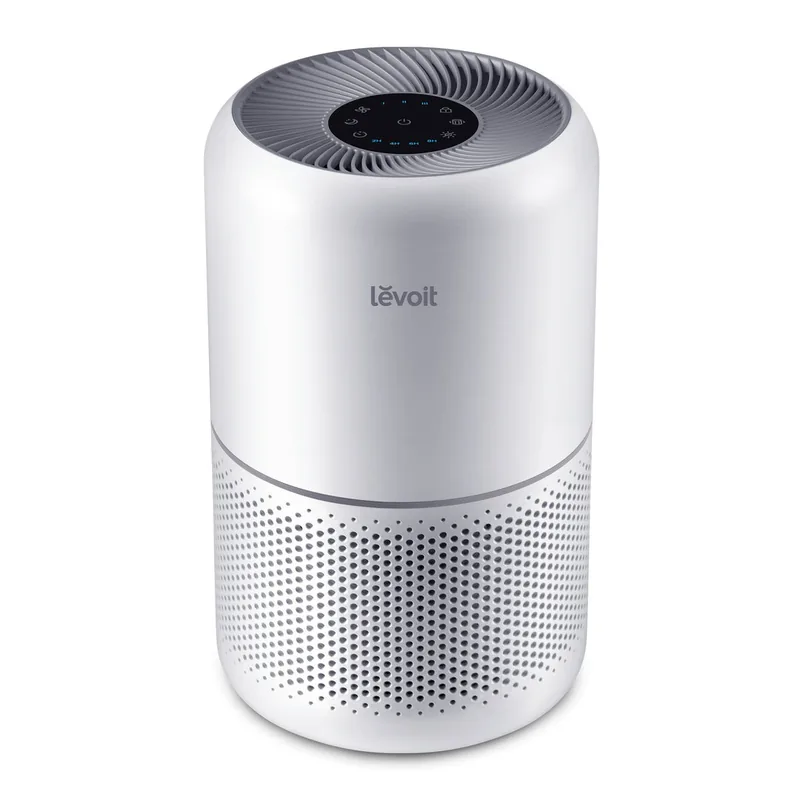
The Levoit Core 300 at $99.00 is the best air purifier for renters. It covers rooms up to 219 sq. ft. with 141 CADR — enough for most bedrooms and small living rooms. The compact cylinder design fits on a nightstand, desk, or small floor space. At 24 dB on its lowest setting, it is quieter than a whisper and will not disturb sleep or neighbors through thin walls. Filter replacements run roughly $20 every 6 to 8 months, making ongoing costs manageable on a rental budget.
Renter strategy: Start with one unit in the room where you spend the most time — usually the bedroom, where you spend 7 to 8 hours breathing the same air. If budget allows, add a second unit for the living room. Moving the purifier between rooms as needed is simple given its compact size and light weight.
2. A Standalone Air Quality Monitor
You cannot improve what you cannot measure. A portable air quality monitor gives you real-time data on what is actually in your air — and that data becomes leverage when talking to your landlord about HVAC maintenance or filing complaints about smoke infiltration.
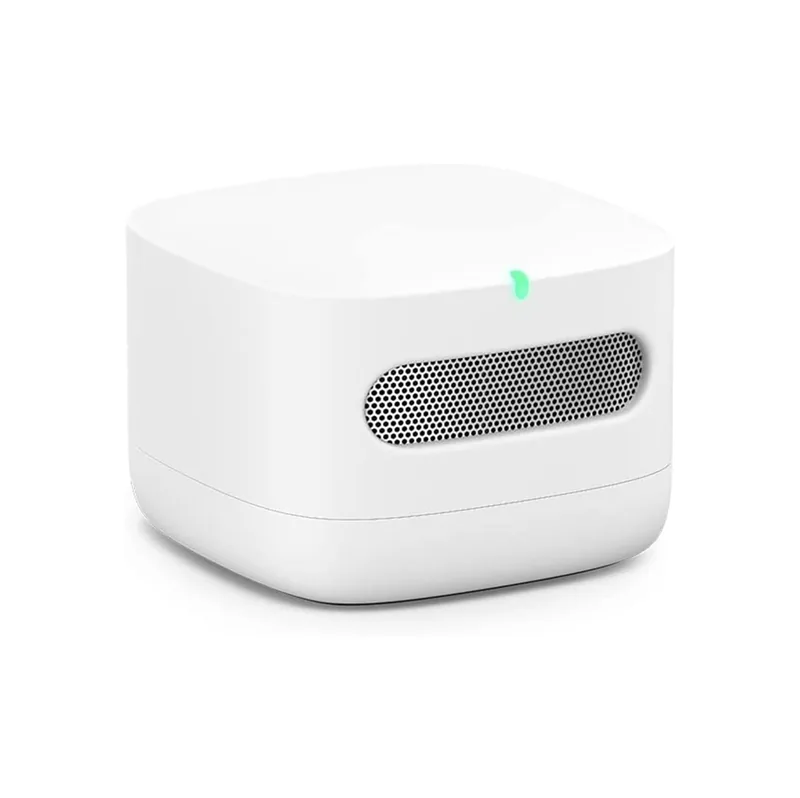
The Amazon Air Quality Monitor at around $30 is the most affordable entry point for renters. It measures PM2.5 (fine particulate matter) and VOCs — the two most common pollutant categories in rental environments. Place it in different rooms to identify which spaces have the worst air quality. Check readings before and after running your purifier to verify it is making a difference. Log spikes when neighbors smoke or when the HVAC system kicks on to document patterns.
Documentation value: If you need to request HVAC maintenance, report smoke infiltration to your landlord, or file a complaint with your local housing authority, timestamped air quality readings provide objective evidence that subjective complaints ("it smells bad") cannot match. A screenshot showing PM2.5 at 150 ug/m3 when the WHO guideline is 15 ug/m3 carries far more weight than saying "the air seems dusty."
3. A Smart Purifier for Apartment-Size Rooms
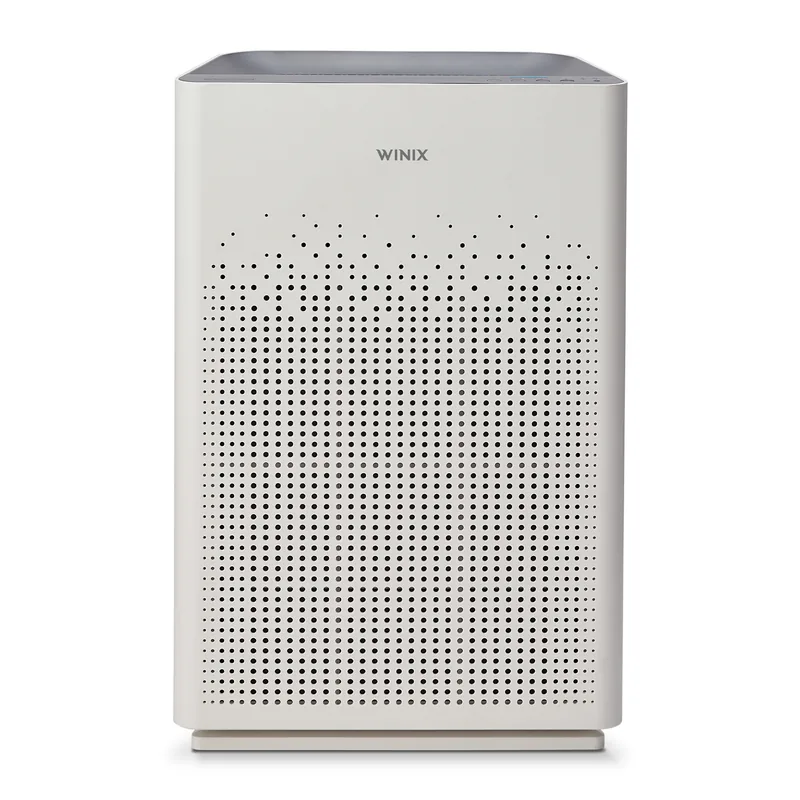
For renters with slightly larger living spaces or open-plan apartments, the Winix AM90 provides smart air quality management with 360 sq. ft. coverage. The built-in air quality sensor and auto mode adjust fan speed in response to particle spikes — useful when neighbor cooking smoke infiltrates your unit or when the HVAC system pushes dusty air through your vents. The PlasmaWave feature adds an active odor-control layer that helps neutralize the persistent smells that plague older rental units.
The Wi-Fi connectivity and app control are practical for renters who want to monitor air quality remotely. Start the purifier from your phone before arriving home so you walk into clean air. Check historical readings to identify recurring patterns — maybe air quality consistently drops every evening when your downstairs neighbor cooks, or every morning when the building HVAC first kicks on.
Renter-Specific Air Quality Strategies
Sealing Smoke and Odor Entry Points
Neighbor smoke and cooking odors enter your unit through gaps that are easy to block with removable, non-permanent solutions:
- Door draft stoppers — A $10 to $15 adhesive or slide-under draft stopper along the bottom of your front door blocks the primary pathway for hallway odors and smoke. Choose removable adhesive versions that will not damage the door finish.
- Outlet and switch plate gaskets — Foam gaskets behind electrical outlet and switch plate covers reduce air infiltration through shared wall penetrations. They cost under $1 each, install in seconds with a screwdriver, and are invisible once the plate is replaced.
- Removable caulk or weatherstrip — Temporary, peel-off weatherstripping around window frames and door frames reduces outdoor air infiltration without permanent modification. This also improves energy efficiency, which your landlord may actually appreciate.
Kitchen Ventilation Without a Range Hood
Many older rentals have weak or recirculating range hoods that do not actually vent air outside. When cooking generates smoke and VOCs, these strategies help:
- Open a window near the stove while cooking — even a few inches of opening creates a pressure difference that pulls cooking fumes toward the outside
- Run a box fan pointed outward in a window near the kitchen to actively exhaust cooking smoke
- Run your air purifier on high during and for 30 minutes after cooking to capture particles and VOCs that the window does not remove
- Use a splatter screen when frying to reduce airborne grease particles at the source
Humidity Management
Renters often have limited control over humidity, which directly affects mold growth, dust mite populations, and overall comfort. The ideal indoor humidity range is 30% to 50%.
- Too humid (above 50%): Use a portable dehumidifier, especially in basement apartments or bathrooms without exhaust fans. Run it during and after showers. Empty the tank daily or connect a drain hose to a sink.
- Too dry (below 30%): Common in winter with forced-air heating. A portable humidifier adds moisture without any building modification. Choose an evaporative model to avoid the white dust that ultrasonic humidifiers produce.
- Monitor with a hygrometer — A $10 digital hygrometer tells you where you stand so you can act before mold starts growing or dry air triggers respiratory irritation.
Negotiating with Your Landlord
Your landlord is legally required to maintain habitable conditions, which includes functioning ventilation and freedom from environmental hazards. Here is how to approach air quality requests effectively:
- Document the problem first. Use your air quality monitor to collect data over several days. Note specific readings, times, and conditions. Photos of visible mold, dirty HVAC vents, or peeling paint supplement the data.
- Make requests in writing. Email your landlord with specific, reasonable requests: "Please replace the HVAC filter — the current one appears to be heavily soiled and my air quality readings show elevated particulate levels when the system runs." Written requests create a paper trail.
- Know the maintenance standards. HVAC filters should be replaced every 90 days (more often with pets or in dusty environments). Ductwork should be cleaned every 3 to 5 years. Mold remediation is the landlord's responsibility if caused by building defects (leaky pipes, poor ventilation), not tenant behavior.
- Escalate when necessary. If your landlord ignores reasonable maintenance requests, most jurisdictions allow tenants to contact the local housing authority or code enforcement. Persistent mold, non-functional ventilation, and known lead paint hazards are typically code violations.
Know Your Rights
Air quality rights for renters vary by state and municipality, but several protections are broadly applicable:
- Implied warranty of habitability — Every state recognizes some form of this doctrine, which requires landlords to maintain rental units in a condition fit for human habitation. Non-functional HVAC, persistent mold caused by building defects, and lead paint hazards typically violate this standard.
- Lead paint disclosure — Federal law (the Residential Lead-Based Paint Hazard Reduction Act) requires landlords of pre-1978 housing to disclose known lead paint hazards and provide an EPA pamphlet about lead safety. If your landlord failed to disclose, you may have legal remedies.
- Smoke-free housing policies — An increasing number of municipalities and housing authorities require or incentivize smoke-free policies in multi-unit housing. Check your local regulations — your building may already be subject to smoking restrictions that are not being enforced.
- Right to repair and deduct — Many states allow tenants to make minor repairs (like replacing an HVAC filter) and deduct the cost from rent if the landlord fails to respond to maintenance requests within a reasonable timeframe. Check your state's specific rules before exercising this option.
- Mold disclosure — Some states (including California, Indiana, Maryland, and Texas) require landlords to disclose known mold problems. Even in states without specific mold laws, mold caused by building defects (as opposed to tenant behavior) is generally the landlord's responsibility to remediate.
What to Do When You First Move In
The first 30 days in a new rental are critical for establishing good air quality. Here is a practical checklist:
- Run an air quality monitor for the first week before making any changes. This establishes a baseline and identifies the specific problems your unit has — it might be high PM2.5 from dusty ductwork, elevated VOCs from old carpet, or humidity issues in the bathroom.
- Set up your air purifier in the bedroom immediately. You spend more time in the bedroom than any other room, and clean air during sleep has the most direct impact on daily health and energy.
- Install door draft stoppers on your front door and any doors to hallways or shared spaces.
- Request HVAC filter replacement from your landlord. Send an email on day one — this establishes a paper trail and signals that you pay attention to maintenance.
- Vacuum all carpeted areas thoroughly with a HEPA-equipped vacuum. This removes accumulated dust, pet dander, and debris from previous tenants. If you do not own a HEPA vacuum, this is a worthwhile investment (or rental) that pays dividends in every apartment you live in.
- Open windows for cross-ventilation when outdoor air quality is good (check AirNow.gov for your area). Even 30 minutes of fresh air flow through the unit helps flush out residual pollutants and VOCs from move-in cleaning products.
- Check for visible mold in bathrooms, under sinks, around windows, and behind furniture pushed against exterior walls. Document and report anything you find immediately — if mold appears later and you did not report pre-existing conditions, your landlord may try to hold you responsible.
The Bottom Line
Being a renter does not mean accepting poor air quality. The constraints are real — you cannot modify building systems or make permanent improvements — but portable solutions have closed the gap significantly. A $100 HEPA air purifier captures the same particles regardless of whether you own or rent. A $30 air quality monitor provides the same data. Draft stoppers, ventilation habits, and humidity management cost little and require no landlord approval.
The key is focusing your effort and budget on what you can control — portable filtration, source reduction, and documentation — rather than being frustrated by what you cannot. Start with a purifier in your bedroom, add a monitor to identify your specific problems, and use the data to make targeted improvements and informed requests to your landlord.
This guide was researched and written by the AirQualityNest editorial team. We update our content regularly to reflect the latest products, pricing, and research.
Related Reading
Best Air Purifiers for Apartments
Compact, quiet purifiers sized for apartment living spaces
How to Improve Indoor Air Quality
Complete guide to reducing indoor pollutants in any home
Best Air Purifiers Under $100
Budget-friendly HEPA purifiers for renters and first-time buyers
How to Test Your Home Air Quality
Monitor and measure indoor air quality with affordable tools
VOCs in Your Home
Sources of volatile organic compounds and how to reduce them
Continue Reading
Best Air Purifiers for Open Floor Plans in 2026: High-CADR Models That Cover It All
The best air purifiers for open floor plans ranked by CADR, coverage area, and noise. High-performance HEPA purifiers that handle 500-1,500+ sq. ft. open spaces.
Best Smart Humidifiers in 2026 (Wi-Fi, App Control & Auto Humidity)
The best smart humidifiers with Wi-Fi, app control, and auto humidity adjustment. Top picks for Alexa, Google Home, and smart home integration.
The 5 Best Portable Air Quality Monitors in 2026
Monitor your air quality on the go. We tested the best portable and compact air quality monitors for accuracy, battery life, and sensor range.