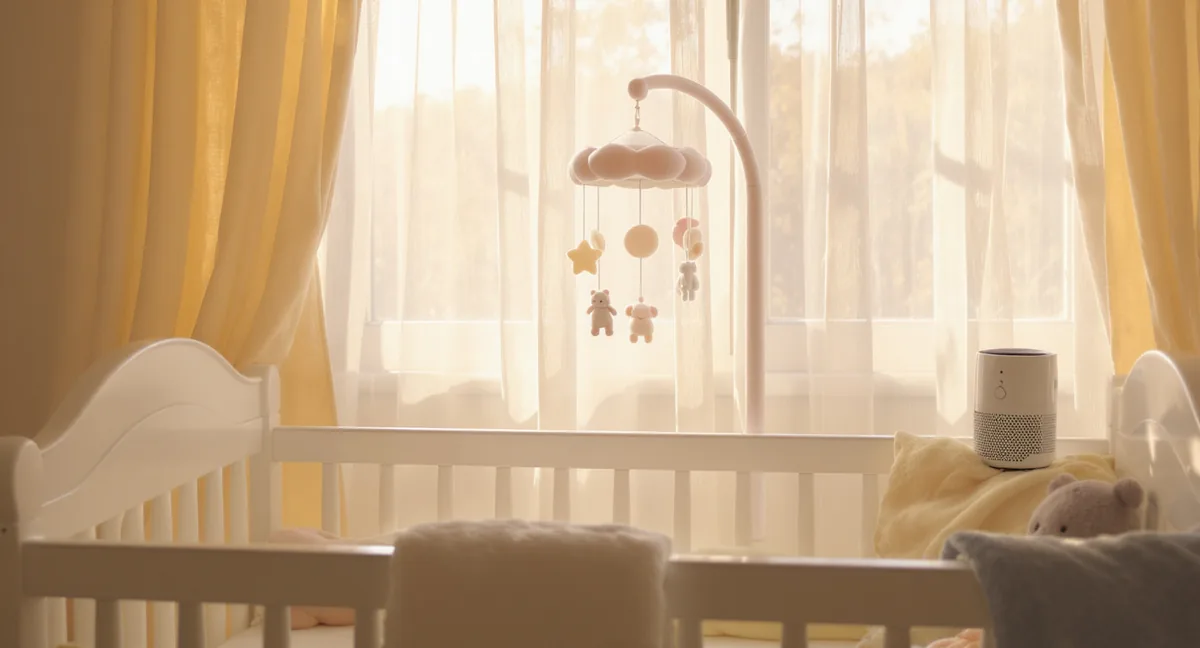
Babies breathe faster than adults — roughly 40-60 breaths per minute compared to an adult's 12-20. Their lungs are still developing, their immune systems are immature, and they spend the vast majority of their time indoors. This combination makes infants uniquely vulnerable to indoor air pollutants that adults might tolerate without noticeable effects.
An air purifier in the nursery is not a luxury — it is one of the most practical steps you can take to protect your newborn's respiratory health. But not all purifiers are safe for nursery use, and choosing the wrong one can introduce more problems than it solves.
Why Babies Need Cleaner Air
Infants face several risk factors that make air quality especially critical:
- Higher breathing rate — More breaths per minute means more pollutant exposure per hour
- Smaller airways — Even mild inflammation from irritants can cause significant breathing difficulty
- Developing immune system — Less capacity to fight off airborne pathogens
- More time on the floor — Crawling babies are in the zone where heavier particles settle
- Immature detoxification — Babies metabolize chemicals differently and more slowly than adults
Studies published in the American Journal of Respiratory and Critical Care Medicine have linked early childhood exposure to PM2.5 with reduced lung function that can persist into adulthood. The American Academy of Pediatrics recommends reducing indoor air pollution as a key preventive health measure for infants.
What to Look For in a Nursery Air Purifier
1. True HEPA Filtration (Non-Negotiable)
Only True HEPA (H13) filters capture 99.97% of particles at 0.3 microns. This includes dust mites, pet dander, mold spores, pollen, and many bacteria. Do not accept "HEPA-type" or "HEPA-like" filters for a nursery — the difference in filtration efficiency is too significant where your baby's health is concerned.
2. Zero Ozone Emissions
This is the most critical safety factor. Some purifiers generate ozone as a byproduct of their operation:
| Technology | Ozone Risk | Safe for Nursery? |
|---|---|---|
| True HEPA (mechanical) | None | Yes |
| Activated carbon | None | Yes |
| Ionizers / negative ion generators | Low to moderate | Avoid |
| Plasma / PlasmaWave | Low (varies by model) | Use caution |
| UV-C light | Can produce ozone | Avoid unless certified ozone-free |
| Ozone generators | High | Absolutely not |
The California Air Resources Board (CARB) certifies air purifiers that emit less than 0.050 ppm of ozone. For nursery use, we recommend sticking with pure mechanical filtration (HEPA + carbon) with no ionizer, plasma, or UV-C components — or models that allow you to disable these features entirely.
3. Low Noise Levels
Nursery purifiers need to operate quietly enough for sleep. Look for:
- Low speed noise under 30 dB — Comparable to a whisper
- No tonal or high-pitched sounds — Babies are more sensitive to certain frequencies
- Consistent white noise character — Many parents find the gentle fan hum actually helps babies sleep
| Noise Level | Comparable Sound | Suitable for Nursery? |
|---|---|---|
| 20-25 dB | Rustling leaves | Excellent — inaudible for most |
| 25-30 dB | Quiet whisper | Very good — sleep-friendly |
| 30-35 dB | Soft hum | Good — gentle white noise |
| 35-40 dB | Library ambiance | Acceptable for light sleepers |
| 40+ dB | Normal conversation | Too loud for nursery use |
4. No Bright Lights or Displays
Bright LED panels, air quality indicator lights, and colorful displays can disrupt infant sleep. Choose a purifier with:
- A display-off or sleep mode that dims all lights
- No bright blue or white LEDs that stay on during operation
- Subtle indicator lights that will not illuminate a dark nursery
5. Physical Safety
- Stable base that will not tip if bumped by a curious toddler
- No accessible small parts — Outlet covers, filter access panels should be secure
- Cord management — Route the power cord away from the crib area
- No hot surfaces — Avoid warm-mist or heated element purifiers
Nursery Placement Tips
- Place the purifier 3-6 feet from the crib, not directly beside it
- Position it so airflow does not blow directly onto the baby
- Keep it on the floor or a stable low surface, never on a shelf above the crib
- Ensure the cord is routed away from anywhere the baby can reach
Recommended Products
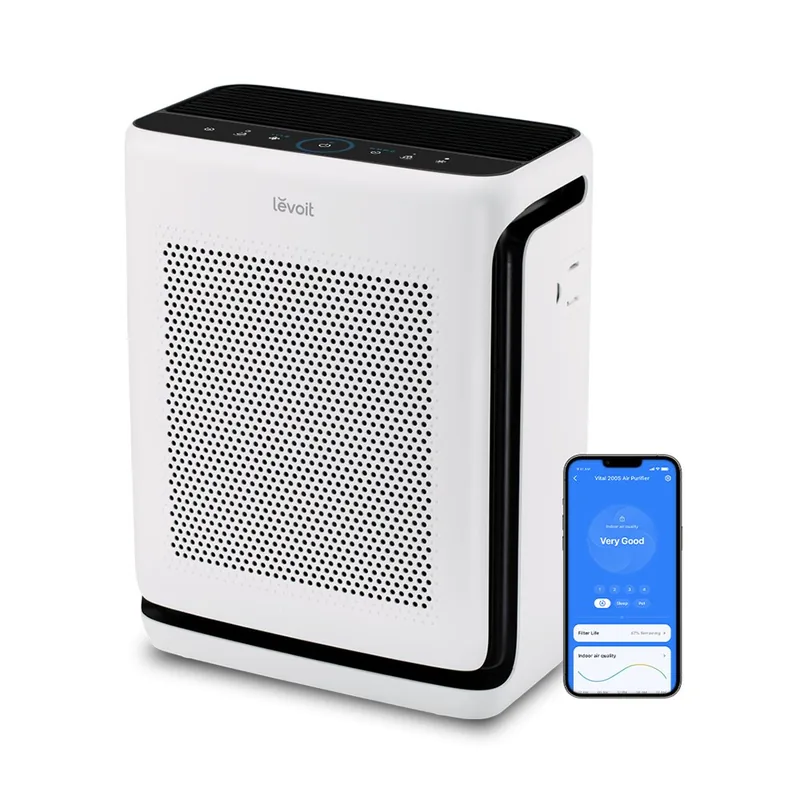
The Levoit Vital 200S is our top nursery pick. It uses True HEPA filtration with zero ozone emissions, operates at just 26 dB on its lowest setting, and has a display-off sleep mode that eliminates all light from the unit. Its compact size fits easily on a dresser or nightstand.
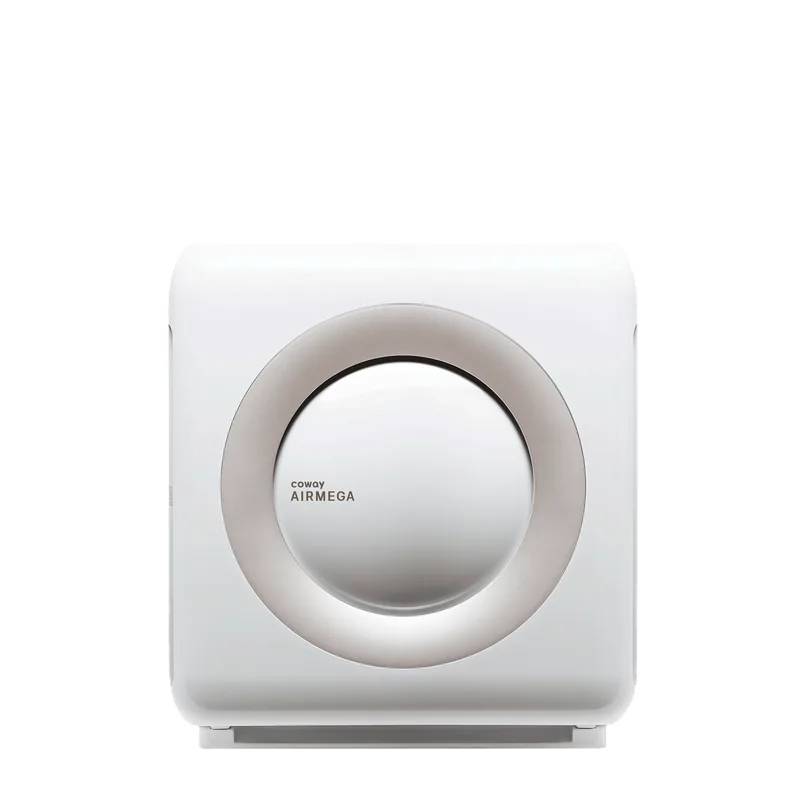
The Coway Mighty is an excellent choice for larger nurseries. Its eco mode automatically reduces fan speed and dims the display when air quality is good. The ionizer can be disabled with a single button press, ensuring pure mechanical filtration only.
The Bottom Line
Choosing an air purifier for your baby's nursery comes down to three priorities: True HEPA filtration for effective particle removal, zero ozone emissions for safety, and quiet operation for sleep. Skip the ionizers, UV lights, and plasma features — your newborn needs clean, simple, mechanically filtered air. Pair a quality HEPA purifier with good ventilation practices and low-VOC nursery products, and you will have created the cleanest possible environment for your little one to grow.
This guide was researched and written by the AirQualityNest editorial team. We update our content regularly to reflect the latest products, pricing, and research.
Continue Reading
Best Air Purifier for Baby Nursery
Our top-rated purifiers for nurseries, tested and ranked
HEPA Filter Explained
Everything you need to know about HEPA filtration
VOCs in Your Home
Understanding volatile organic compounds and how to reduce them
Best Humidifiers for Nursery
Safe, quiet humidifiers for baby rooms
Air Purifier Noise Levels Explained
Understanding decibel ratings for sleep-safe nursery use
Continue Reading
Best Air Purifiers for Open Floor Plans in 2026: High-CADR Models That Cover It All
The best air purifiers for open floor plans ranked by CADR, coverage area, and noise. High-performance HEPA purifiers that handle 500-1,500+ sq. ft. open spaces.
Best Smart Humidifiers in 2026 (Wi-Fi, App Control & Auto Humidity)
The best smart humidifiers with Wi-Fi, app control, and auto humidity adjustment. Top picks for Alexa, Google Home, and smart home integration.
The 5 Best Portable Air Quality Monitors in 2026
Monitor your air quality on the go. We tested the best portable and compact air quality monitors for accuracy, battery life, and sensor range.