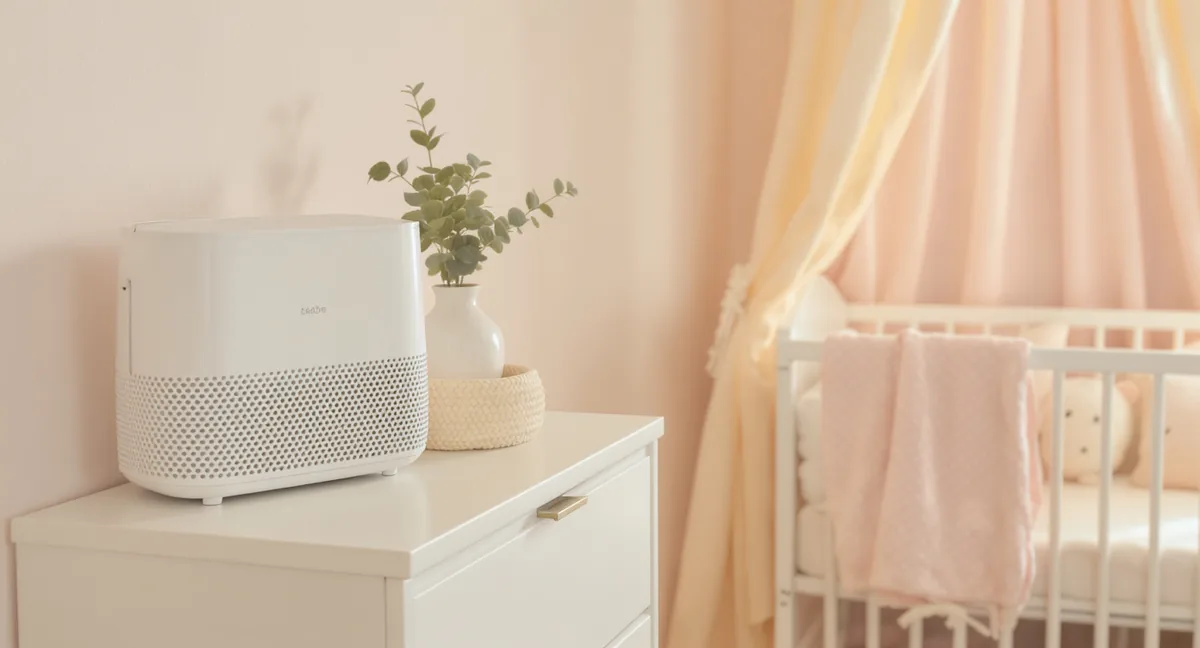
Your baby breathes faster than you do — about 40-60 breaths per minute compared to an adult's 12-20. That means they inhale more airborne particles relative to their body weight. Choosing the right air purifier for a nursery is one of the most impactful steps you can take for your newborn's respiratory health.
But nurseries have specific requirements that other rooms don't: ultra-quiet operation, zero ozone emissions, and no small parts or cord hazards. Here's everything you need to know.
Key Takeaways
- 1Infants breathe 40-60 times per minute vs. 12-20 for adults, inhaling proportionally more airborne pollutants per pound of body weight
- 2Nursery purifiers must be CARB-certified (zero ozone) — avoid ionizers, UV-C purifiers, and ozone generators which produce lung irritants harmful to infants
- 3Noise level should be under 30 dB on the lowest setting (whisper-quiet) to avoid disrupting sleep; top picks operate at 24 dB
- 4Place the purifier 3-6 feet from the crib with cords secured away from baby's reach and at least 12 inches of clearance around intake vents
- 5True HEPA (H13) filtration captures 99.97% of allergens, dust, and fine particles from nursery air
Quick Answer
What is the best air purifier for a baby nursery?
The best nursery air purifier uses True HEPA (H13) filtration, operates below 30 dB on sleep mode, and is CARB-certified for zero ozone emissions. The Levoit Core 400S is the top pick at 24 dB with app-based monitoring, while the Levoit Core 300 offers excellent performance for smaller nurseries under $100. Avoid ionizers, UV-C purifiers, and essential oil diffuser combos, as these can irritate infant lungs.
What to Look For (and Avoid)
Must-Have Features
- True HEPA (H13) filtration — Captures 99.97% of allergens, dust, and particles
- Ultra-quiet operation — Under 30 dB on the lowest setting (library quiet)
- No ozone emissions — Look for CARB-certified or ozone-free models
- Night light with dimming — Gentle ambient light without disrupting sleep
- Auto mode — Adjusts fan speed so you don't have to
Features to Avoid
- Ionizers without HEPA — Can produce ozone, a lung irritant
- UV-C light purifiers — Can produce ozone and don't add meaningful filtration
- Ozone generators — Dangerous for babies (and adults)
- Essential oil diffuser combos — Fragrance oils can irritate infant lungs
Our Top Picks for Baby Nurseries
Best Overall: Levoit Core 400S
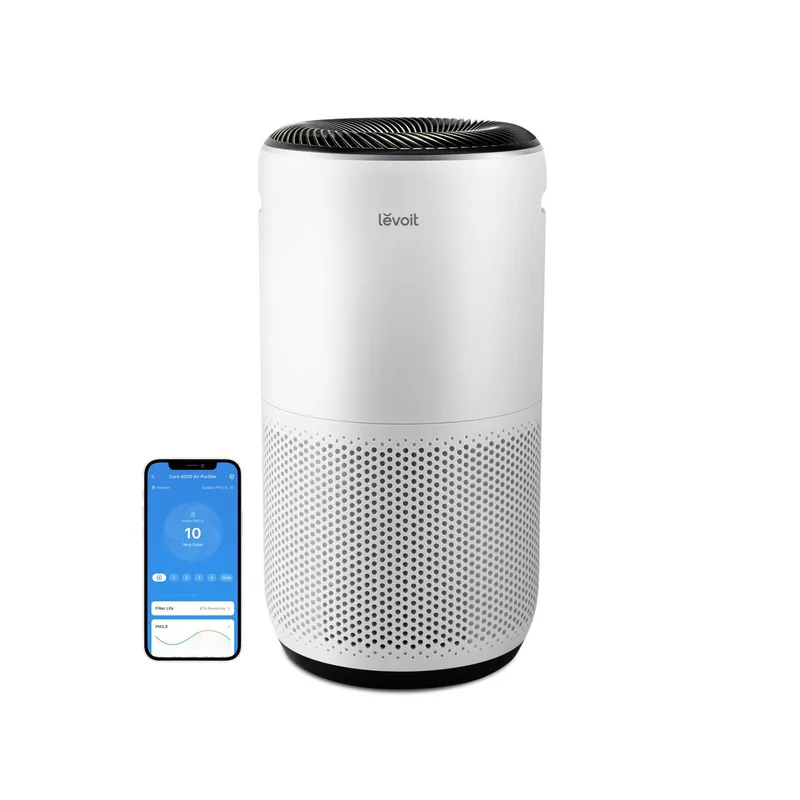
The Levoit Core 400S hits every nursery requirement. At 24 dB on sleep mode, it is genuinely inaudible. The laser sensor automatically adjusts to changes (like diaper changes or nursing), and the VeSync app lets you monitor air quality without entering the room and risking waking your baby.
Why it's great for nurseries: The display dims completely, sleep mode is whisper-quiet, and it's CARB-certified with zero ozone.
What We Like
- +Excellent smart app control
- +QuietKEAP technology
- +Large room coverage
- +Auto mode with laser sensor
Could Be Better
- −Filter replacements are pricier
- −Slightly larger footprint
Best Value: Levoit Core 300
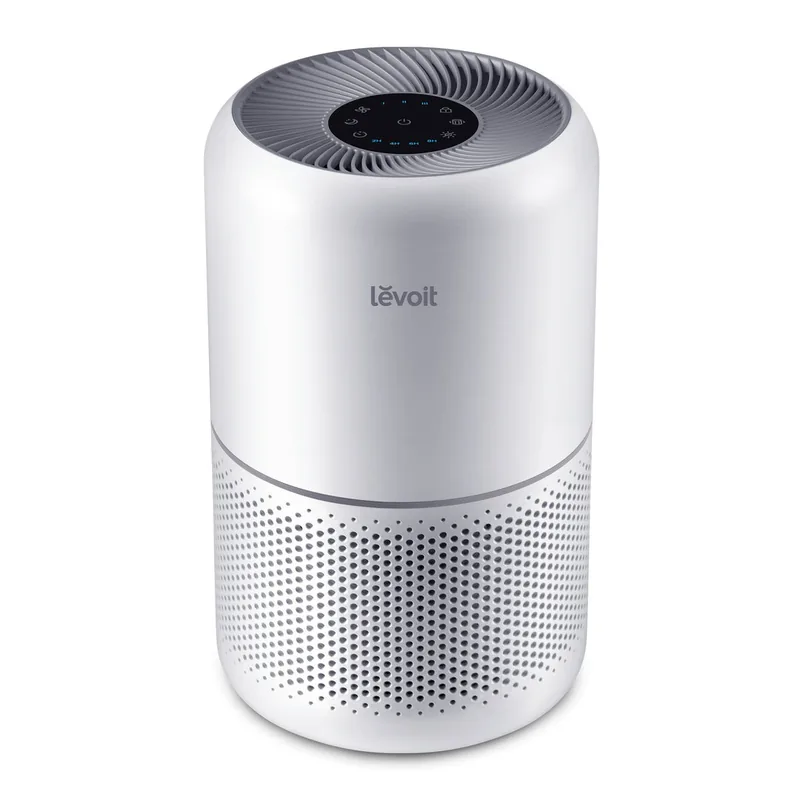
For smaller nurseries (under 220 sq. ft.), the Core 300 is an outstanding value at under $100. It uses the same H13 HEPA filtration as its bigger sibling. The 24 dB sleep mode is equally quiet, and the compact size fits easily on a dresser or shelf.
What We Like
- +Under $100 price point
- +Whisper-quiet at lowest setting
- +Compact cylinder design
- +Multiple filter options available
Could Be Better
- −Small room coverage only
- −No auto mode or air quality sensor
- −No smart features
Best for Large Nurseries: Coway Airmega AP-1512HH
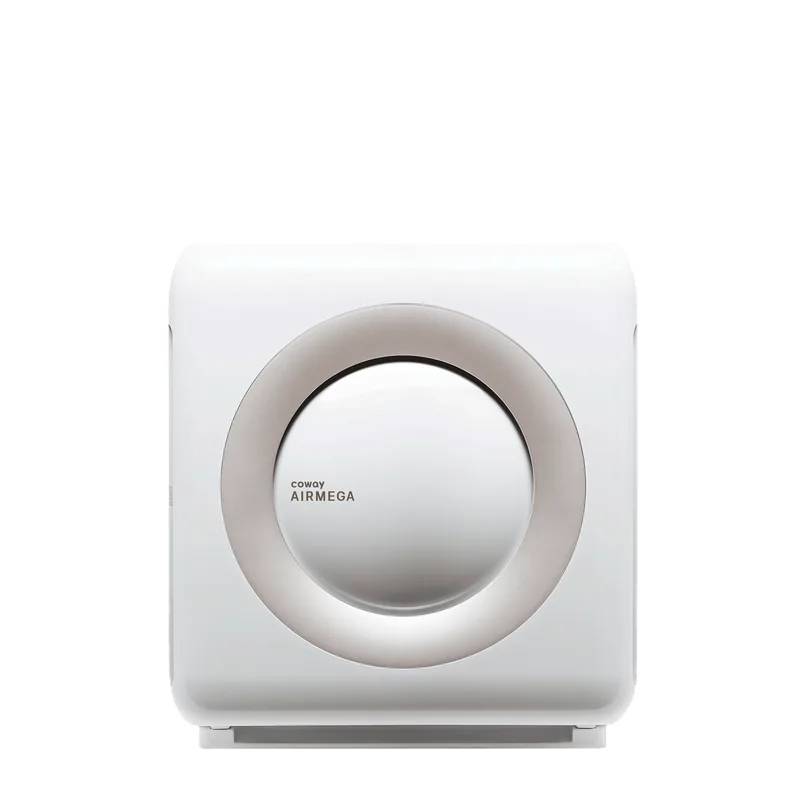
If your nursery is larger or doubles as a playroom, the Coway Mighty handles up to 361 sq. ft. with ease. The eco mode automatically shuts off when air is clean, saving energy during nap time. At 24.4 dB on the lowest setting, it won't disturb sleep.
One note: The bright air quality indicator light on top cannot be fully turned off. Consider placing it behind furniture or covering the light with tape.
What We Like
- +Exceptional value for money
- +Eco mode saves energy
- +Affordable replacement filters (~$40/yr)
- +Compact design fits anywhere
Could Be Better
- −Bright indicator light cannot be turned off
- −No app control or smart features
Side-by-Side Comparison
Where to Place the Purifier
- 3-6 feet from the crib — Close enough to clean the breathing zone, far enough to prevent cord hazards
- On the floor or a sturdy shelf — Never where a toddler can pull it down
- Away from windows — Windows introduce new particles; place the purifier between the window and crib
- Keep intake vents unobstructed — Leave at least 12 inches of clearance on all sides
Our Recommendation
For most nurseries, the Levoit Core 400S is the ideal choice. Its silent sleep mode, accurate air quality sensor, and smartphone monitoring make it the safest and most convenient option for new parents.
Sources & References
- American Academy of Pediatrics (AAP) — Recommends smoke-free environments for infants and guidance on safe nursery air quality
- EPA Indoor Air Quality — Guidelines on indoor air pollutants and their effects on children's health
- California Air Resources Board (CARB) — Certifies air purifiers for ozone safety — essential certification for nursery use
- American Lung Association — Resources on protecting children's respiratory health from indoor air pollutants
This guide was researched and written by the AirQualityNest editorial team. We update our content regularly to reflect the latest products, pricing, and research.
Frequently Asked Questions
Do babies need air purifiers?+
While not strictly necessary in every home, air purifiers provide significant benefits for babies. Infants breathe 40-60 times per minute compared to an adult's 12-20, inhaling proportionally more airborne particles relative to their body weight. A HEPA air purifier removes 99.97% of allergens, dust, and fine particles from nursery air, reducing the risk of respiratory irritation and helping babies sleep better.
Are air purifiers safe for newborns?+
HEPA air purifiers are completely safe for newborns as long as you choose a model that does not produce ozone. Avoid ionizers without HEPA filters, UV-C purifiers, and ozone generators, as these can produce lung irritants harmful to infants. Look for CARB (California Air Resources Board) certified models. Also ensure the purifier is placed 3-6 feet from the crib with cords secured away from the baby's reach.
What is the quietest air purifier for a nursery?+
The Levoit Core 400S is our top pick for nursery use, operating at just 24 dB on its lowest sleep mode setting — quieter than a whisper. The Levoit Core 300 is another excellent quiet option at 24 dB on low. For context, a library is typically around 30 dB. Look for purifiers with a dedicated sleep mode that dims lights and reduces fan noise to under 30 dB to avoid disrupting your baby's sleep.
Do air purifiers help with SIDS?+
There is no direct clinical evidence that air purifiers prevent SIDS (Sudden Infant Death Syndrome). However, research does show that air pollution exposure is a risk factor for SIDS, and maintaining clean nursery air is part of creating a safe sleep environment. The AAP recommends a smoke-free environment for infants, and a HEPA purifier effectively removes secondhand smoke particles, cooking fumes, and other airborne irritants from the nursery.
Related Guides
Levoit Core 400S Review
Our full hands-on review of the top nursery purifier pick
Levoit Core 300 Review
A quieter, budget-friendly option for small nurseries
Do Air Purifiers Really Work?
The peer-reviewed science behind air purifier health benefits
How to Reduce Dust in Your Home
Keep your nursery cleaner with these 12 proven methods
Best Humidifiers for Nursery
Safe humidifiers to pair with your nursery air purifier
Continue Reading
Best Air Purifiers for Open Floor Plans in 2026: High-CADR Models That Cover It All
The best air purifiers for open floor plans ranked by CADR, coverage area, and noise. High-performance HEPA purifiers that handle 500-1,500+ sq. ft. open spaces.
Best Smart Humidifiers in 2026 (Wi-Fi, App Control & Auto Humidity)
The best smart humidifiers with Wi-Fi, app control, and auto humidity adjustment. Top picks for Alexa, Google Home, and smart home integration.
The 5 Best Portable Air Quality Monitors in 2026
Monitor your air quality on the go. We tested the best portable and compact air quality monitors for accuracy, battery life, and sensor range.