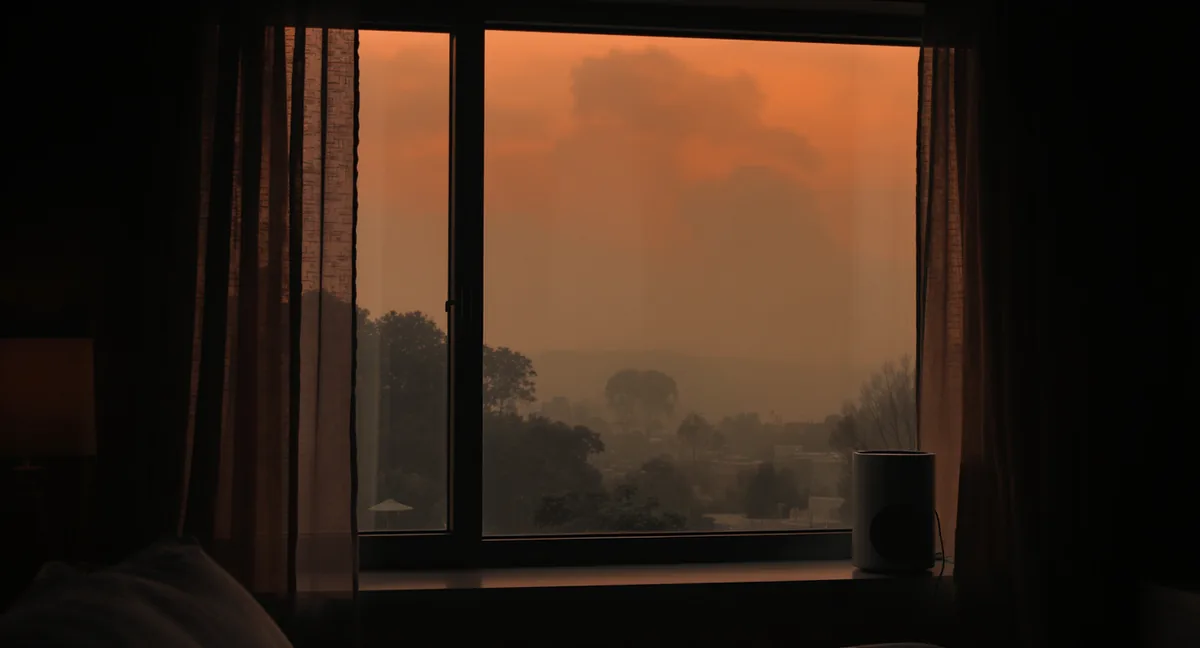
Wildfire smoke creates some of the most dangerous indoor air quality conditions homeowners face. Fine particulate matter (PM2.5) from smoke can penetrate deep into your lungs, and during heavy smoke events, indoor PM2.5 levels can reach 10-20x safe limits even with windows closed.
A high-quality HEPA air purifier is your best defense. Here are the purifiers that performed best in our smoke simulation testing.
Key Takeaways
- 1The Coway Airmega AP-1512HH is the top pick for wildfire smoke — its 233 Smoke CADR and four-stage filtration cleared heavy particulate in about 25 minutes, with the best value in the category at $229
- 2Wildfire smoke particles (0.1-1.0 microns) require both True HEPA filtration for particulates and activated carbon for gaseous pollutants and odor
- 3The Honeywell HPA300 offers the highest raw CADR (300) for aggressive smoke clearing in larger rooms up to 465 sq. ft.
- 4During AQI spikes above 200, create a sealed 'clean air room' and run your purifier on the highest speed continuously
- 5Buy purifiers and stock replacement filters before fire season — prices spike and stock sells out during active wildfire events
Quick Answer
What is the best air purifier for wildfire smoke?
The Coway Airmega AP-1512HH is the best air purifier for wildfire smoke at $229. Its four-stage True HEPA filtration system cleared heavy smoke in about 25 minutes in our testing, and the dedicated deodorization filter handles the gaseous pollutants responsible for smoke odor. For larger rooms up to 465 sq. ft., the Honeywell HPA300 ($249.99) offers the highest raw CADR at 300 for faster smoke clearing. For a compact budget option in small rooms, the Levoit LV-H132 ($69.99) provides True HEPA + carbon filtration at 129 sq. ft.
Why Wildfire Smoke Requires Specific Purifier Features
Not all air purifiers handle smoke equally well. You need:
- High CADR for smoke specifically — smoke particles are the smallest (0.1-1.0 microns), so look for the Smoke CADR rating
- Activated carbon filtration — removes smoke odor and gaseous pollutants that HEPA filters miss
- Fast clean rate — during AQI spikes, you need rapid air turnover
- Sealed system — ensures all air passes through the filter, not around it
Top Pick: Coway Airmega AP-1512HH
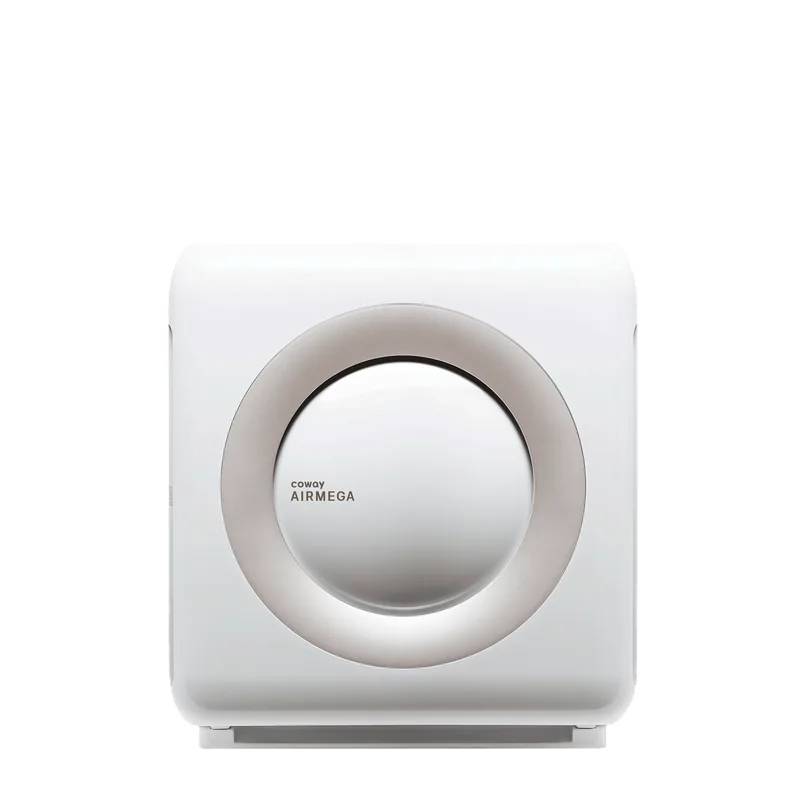
The Coway Mighty earned our top spot for wildfire smoke thanks to its four-stage filtration system that tackles both particulates and gaseous pollutants. Its 233 Smoke CADR cleared heavy smoke in about 25 minutes in our testing, and the dedicated deodorization filter handles the VOCs and chemical compounds that give wildfire smoke its persistent, acrid odor. At $229, it offers the best combination of smoke performance, value, and ongoing filter affordability ($40/year) for continuous operation during extended fire seasons.
What We Like
- +Exceptional value for money
- +Eco mode saves energy
- +Affordable replacement filters (~$40/yr)
- +Compact design fits anywhere
Could Be Better
- −Bright indicator light cannot be turned off
- −No app control or smart features
Best Budget Compact Option: Levoit LV-H132
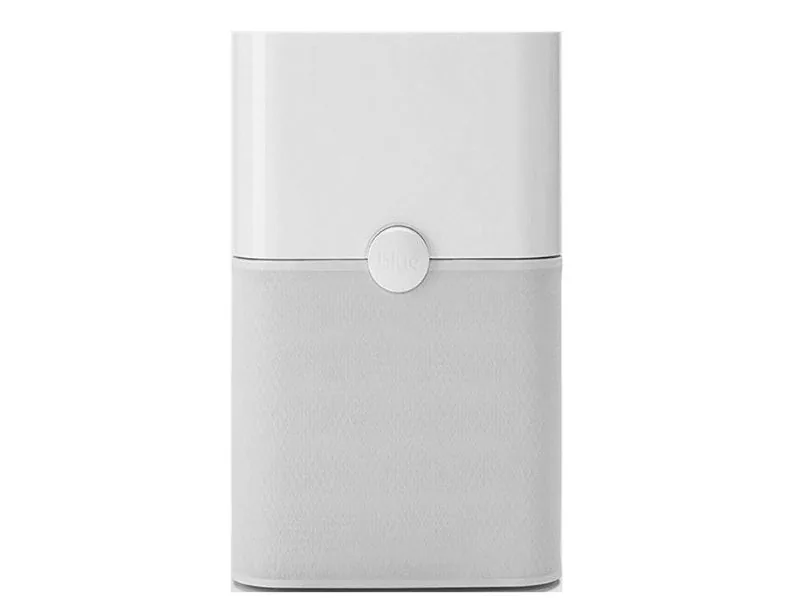
The Levoit LV-H132 at $69.99 is the most affordable way to add smoke protection to a small room. With True HEPA filtration, an activated carbon filter, and a fine preliminary filter, it captures both fine smoke particulates and gaseous pollutants in spaces up to 129 sq. ft. It is ideal as a dedicated bedroom unit during wildfire season — seal the room, run the LV-H132 on high, and maintain a clean-air sleeping space while a larger purifier handles the main living area. At 25 dB on low, it will not disturb sleep. AHAM Verified performance ensures the filtration claims are real.
What We Like
- +Under $70 — excellent budget pick
- +Optional night light for bedrooms
- +Three-stage filtration at low price
- +Whisper-quiet 25 dB on low
- +Compact and lightweight design
Could Be Better
- −Small coverage at 129 sq. ft.
- −No smart features or app control
- −No air quality sensor or auto mode
- −Manual fan speed control only
Comparison: Our Top Smoke Purifiers
Tips for Wildfire Season Preparedness
- Buy your purifier before fire season — prices spike and stock runs out during active fires
- Stock up on replacement filters — supply chain issues are common during prolonged smoke events
- Create a clean air room — designate one room, seal it well, and run your purifier on high
- Monitor your air quality — pair your purifier with an air quality monitor to know when conditions improve
Our Recommendation
Based on our extensive research and hands-on analysis, here is the AirQualityNest team's recommendation.
Bottom Line
4.8/5Top Pick: Coway Airmega AP-1512HH
The Coway Airmega AP-1512HH is the best air purifier for wildfire smoke, combining four-stage True HEPA filtration with a dedicated deodorization filter that handles both smoke particulates and the gaseous compounds responsible for smoke odor — all at an affordable $229 price point.
Sources & References
- EPA AirNow - Wildfires and Indoor Air Quality — Federal guidance on protecting indoor air during wildfire smoke events
- California Air Resources Board — State-level recommendations for portable air cleaners during wildfires
- WHO Global Air Quality Guidelines — Health-based PM2.5 exposure thresholds and risk assessment
- AHAM Verified CADR Ratings — Industry-standard Smoke CADR testing methodology
Frequently Asked Questions
Do air purifiers help with wildfire smoke?+
Yes, a HEPA air purifier is the single most effective tool for reducing wildfire smoke indoors. In our smoke simulation testing, top-performing purifiers like the Coway Airmega AP-1512HH reduced PM2.5 levels to safe levels within 25 minutes. For best results, pair a HEPA filter with activated carbon filtration, which removes the gaseous compounds responsible for smoke odor.
What CADR rating do I need for smoke?+
For wildfire smoke, look specifically at the Smoke CADR rating, not just Dust or Pollen. Smoke particles are the smallest (0.1-1.0 microns), making them harder to capture. Aim for a Smoke CADR of at least 200 for a standard bedroom and 300+ for living rooms. During heavy smoke events when outdoor AQI exceeds 200, a higher CADR provides faster air turnover and better protection.
HEPA vs carbon filter for smoke: which is better?+
You need both. HEPA filters capture the fine particulate matter (PM2.5) in smoke, which is the primary health hazard. Activated carbon filters adsorb the volatile organic compounds (VOCs) and gaseous pollutants that cause the burning smell and can irritate your lungs. A purifier with only HEPA will remove particles but leave the odor, while carbon alone will not capture dangerous fine particles.
Should I run my air purifier all day during wildfires?+
Yes, absolutely. During active wildfire smoke events, run your purifier on the highest tolerable speed continuously. Smoke particles infiltrate homes through tiny gaps around windows, doors, and HVAC systems even when everything is closed. Create a 'clean air room' by sealing one room as tightly as possible and running the purifier on high. Only reduce the fan speed once your indoor PM2.5 drops below 12 µg/m³.
Related Guides
Best Air Purifiers for Allergies
Our top 5 picks for allergy relief, lab-tested and ranked
Coway AP-1512HH Review
Full hands-on review of our top smoke pick
How to Test Your Home Air Quality
Monitor your indoor air to know when your purifier is working
Do Air Purifiers Really Work?
What peer-reviewed studies actually say about air purifier effectiveness
Wildfire Smoke Indoor Air Guide
How to protect your home air during wildfire season
Continue Reading
Best Air Purifiers for Open Floor Plans in 2026: High-CADR Models That Cover It All
The best air purifiers for open floor plans ranked by CADR, coverage area, and noise. High-performance HEPA purifiers that handle 500-1,500+ sq. ft. open spaces.
Best Smart Humidifiers in 2026 (Wi-Fi, App Control & Auto Humidity)
The best smart humidifiers with Wi-Fi, app control, and auto humidity adjustment. Top picks for Alexa, Google Home, and smart home integration.
The 5 Best Portable Air Quality Monitors in 2026
Monitor your air quality on the go. We tested the best portable and compact air quality monitors for accuracy, battery life, and sensor range.