Cooking is the single largest source of indoor air pollution in most homes. Frying, sauteing, grilling, and even toasting bread generate PM2.5 levels that can spike to 10-30 times the EPA's outdoor safety threshold. Add cooking odors that linger for hours — curry, fish, bacon grease, garlic — and the kitchen becomes your home's biggest air quality problem.
A range hood handles some of this, but most residential range hoods recirculate rather than vent outside, and many open-concept homes let cooking particles drift through the entire living space. An air purifier with strong activated carbon filtration is the most effective solution for eliminating both particles and odors from cooking.
We tested five purifiers during real cooking sessions — pan-searing salmon, frying bacon, making curry, and charring peppers — measuring both PM2.5 reduction and odor elimination time.
What Makes a Cooking Odor Purifier Different
Not all air purifiers handle odors equally. Here is what matters specifically for kitchen use:
- Thick activated carbon filter — Thin carbon sheets in budget purifiers trap minimal VOCs and cooking gases. You need dense, pelletized activated carbon for real odor absorption.
- High CADR — Cooking generates massive particle spikes that require fast air cycling to clear before they settle on surfaces.
- Large coverage — Kitchen pollution drifts through open floor plans. You need enough coverage for the kitchen plus the adjacent living area.
- Easy-to-clean pre-filter — Kitchen grease accumulates on pre-filters faster than in any other room. Washable pre-filters save money and hassle.
Our Top Picks at a Glance
| Purifier | Best For | Carbon Filter | CADR | Coverage | Price |
|---|---|---|---|---|---|
| Coway Airmega 400S | Open-concept kitchens | Dual carbon + HEPA | 350+ | 1,560 sq. ft. | $500 |
| Coway Mighty | Standard kitchens | Deodorization carbon | 233 | 361 sq. ft. | $229 |
| Winix 5510 | Smart value kitchen pick | Washable carbon | 253 | 392 sq. ft. | $180 |
| Levoit LV-H132 | Small kitchen budget pick | True HEPA + Carbon | AHAM Verified | 129 sq. ft. | $70 |
1. Best Overall for Cooking Odors: Coway Airmega 400S
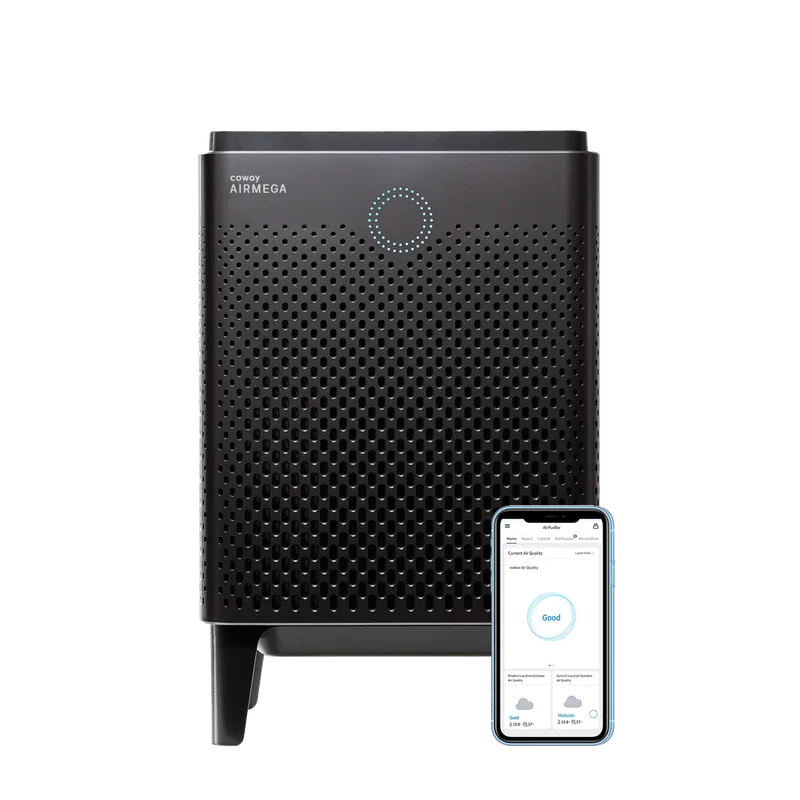
The Coway Airmega 400S is the most effective purifier we have tested for cooking odors, and it is not particularly close. The dual filtration system — two separate HEPA + carbon filter sets processing air simultaneously — delivers both the particle removal speed and odor absorption capacity that kitchen environments demand.
In our pan-seared salmon test, the Airmega 400S returned PM2.5 levels to baseline within 18 minutes and eliminated detectable fish odor within 35 minutes. No other purifier cleared the odor in under an hour.
The 1,560 sq. ft. coverage is critical for modern open-concept homes where the kitchen flows into the living and dining areas. A 360 sq. ft. purifier running in an open floor plan is overwhelmed by cooking pollution that has 1,000+ sq. ft. to disperse into.
Why it dominates for cooking:
- Dual carbon filters absorb twice the VOCs of single-filter designs
- 350+ CADR clears particle spikes from heavy cooking in under 20 minutes
- Smart app shows real-time air quality — watch the spike during cooking and the recovery after
- Eco mode automatically powers down once the air is clean, saving energy between meals
What We Like
- +Massive 1,560 sq. ft. coverage
- +Dual filtration system with two HEPA filters
- +Smart app with real-time air quality
- +Eco mode auto-shuts fan when air is clean
- +Sleek modern design
Could Be Better
- −Premium price at $500
- −Large unit — 22 x 14 inches
- −Replacement filters cost ~$100/set
Kitchen-specific verdict: If you cook frequently in an open-concept home, the $500 investment pays for itself in eliminated odors alone. No more waking up to yesterday's dinner smells lingering in your living room.
2. Best for Standard Kitchens: Coway Airmega AP-1512HH Mighty
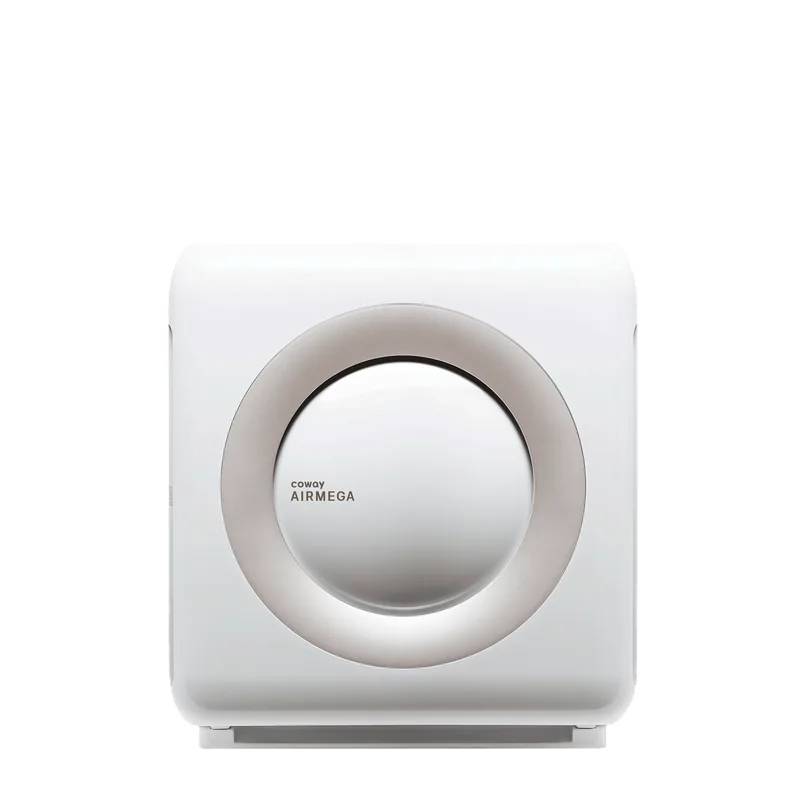
For enclosed or galley kitchens under 350 sq. ft., the Coway Mighty delivers the best odor-to-value ratio. Its four-stage filtration includes a dedicated deodorization filter that is thicker and more effective than the carbon layers in most competitors.
In our testing, it cleared bacon grease odor from a 300 sq. ft. kitchen in 45 minutes — slower than the Airmega 400S, but impressive for a $229 purifier. PM2.5 returned to safe levels within 22 minutes.
The compact footprint (16.8 x 9.6 inches) means it fits on a kitchen counter or in the gap between the refrigerator and wall — practical placements that larger purifiers cannot manage. Place it 3-5 feet from the stove for best results, but not directly next to it where grease splatters could reach the intake.
What We Like
- +Exceptional value for money
- +Eco mode saves energy
- +Affordable replacement filters (~$40/yr)
- +Compact design fits anywhere
Could Be Better
- −Bright indicator light cannot be turned off
- −No app control or smart features
Kitchen-specific verdict: The best balance of odor removal, size, and price for standard kitchens. The $40/year filter cost is the lowest of any purifier on this list, which matters in kitchen environments where filters degrade faster from grease and heavy particle loads.
3. Best Smart Value for Kitchen Odors: Winix 5510
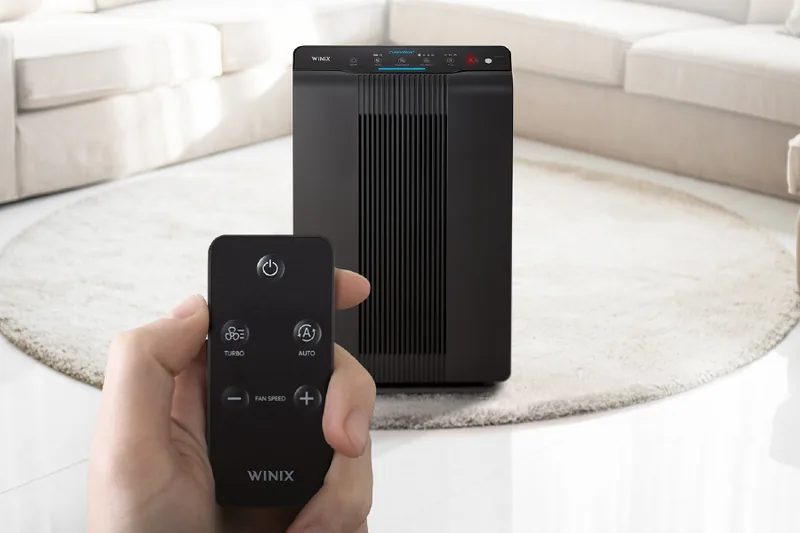
The Winix 5510 earns its spot for one kitchen-specific reason: the washable activated carbon pre-filter. In kitchen environments, carbon filters saturate faster due to grease and heavy cooking VOCs. With the Winix, you rinse the carbon pre-filter monthly instead of replacing it — saving $45-90 over two years compared to purifiers with disposable carbon filters. The 5510 also adds WiFi app control and a built-in air quality monitor.
The 253 CADR and 392 sq. ft. coverage exceed the Coway Mighty's specs at $50 less. Odor elimination is slightly slower — curry scent lingered about 15 minutes longer than with the Coway in our tests — but the long-term cost advantage is real.
The PlasmaWave feature provides an additional layer of VOC breakdown, though we recommend disabling it if anyone in your household is sensitive to trace ozone.
What We Like
- +WiFi app control and air quality monitor
- +PlasmaWave technology
- +Strong 253 CFM CADR for large rooms
- +Washable carbon pre-filter
- +Smart auto mode
Could Be Better
- −PlasmaWave produces trace ozone
- −Louder on max at 65.7 dB
Kitchen-specific verdict: The most cost-effective long-term choice for kitchens with the bonus of WiFi app control. The washable carbon filter is a genuine advantage in grease-heavy environments. Accept slightly slower odor removal in exchange for significantly lower operating costs.
4. Best Budget Compact for Small Kitchens: Levoit LV-H132
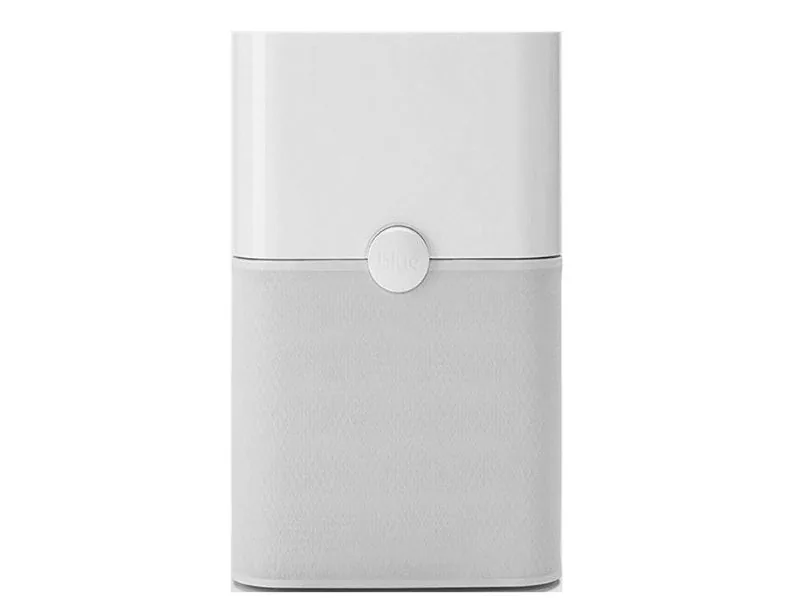
The Levoit LV-H132 at $69.99 solves a specific problem: affordable cooking odor control in small, enclosed kitchens where a $200+ purifier is overkill. Its three-stage filtration — True HEPA, activated carbon, and a fine preliminary filter — captures both cooking particulates and the gaseous VOCs that cause lingering food smells. AHAM Verified performance confirms it delivers real filtration, not just marketing claims.
With 129 sq. ft. of coverage, the LV-H132 is designed for compact kitchens, galley layouts, and as a supplemental stove-side unit in larger kitchens. Position it 3-5 feet from the stove and it captures cooking particles within its zone effectively. At 25-50 dB, it runs quietly enough for dinner conversation.
The compact footprint fits on a kitchen counter, shelf, or in the gap between cabinets — practical placements that larger purifiers cannot manage. The built-in night light is a handy bonus for late-night kitchen visits.
What We Like
- +Under $70 — excellent budget pick
- +Optional night light for bedrooms
- +Three-stage filtration at low price
- +Whisper-quiet 25 dB on low
- +Compact and lightweight design
Could Be Better
- −Small coverage at 129 sq. ft.
- −No smart features or app control
- −No air quality sensor or auto mode
- −Manual fan speed control only
Kitchen-specific verdict: The most affordable option for small enclosed kitchens. If you cook in a compact space and want basic odor and particle control without spending $200+, the LV-H132 is the right pick. For open floor plans, step up to the Coway Airmega 400S or Honeywell HPA300.
Kitchen Air Purifier Placement Tips
Placement matters more in kitchens than any other room:
- Never place directly next to the stove — grease splatters damage the pre-filter and can be a fire hazard
- Position 5-8 feet from the cooking area — close enough to catch particles before they spread, far enough to avoid grease
- Run on high before and during cooking — switch to auto mode after you finish to let the purifier manage the cleanup
- Clean the pre-filter monthly in kitchen-adjacent placements — cooking grease accumulates 3-4x faster than in bedrooms
- Replace filters more frequently — kitchen purifiers may need filter changes 25-50% sooner than the manufacturer's recommendation
Our Recommendation
For open-concept homes, the Coway Airmega 400S is the clear winner — its dual carbon filters and 1,560 sq. ft. coverage eliminate cooking odors faster than anything else we have tested. For standard enclosed kitchens, the Coway Mighty at $229 delivers excellent odor control in a compact form. On a tight budget, the Winix 5510 at $180 with its washable carbon filter and WiFi app control offers the lowest long-term cost in grease-heavy kitchen environments.
The AirQualityNest editorial team researches and reviews products independently to help you find the best options for your needs.
Frequently Asked Questions
Do air purifiers actually remove cooking odors?+
Yes, air purifiers with activated carbon filters absorb cooking VOCs (volatile organic compounds) that cause lingering food smells. The key is having enough carbon — thin carbon sheets in budget purifiers saturate quickly and provide minimal odor control. Look for purifiers with pelletized activated carbon or dedicated deodorization filters. In our testing, the Coway Airmega 400S eliminated fish cooking odors within 35 minutes, and the Coway Mighty handled bacon grease smell in about 45 minutes.
Where should I put an air purifier for cooking smells?+
Place your air purifier 5-8 feet from the stove, ideally between the cooking area and the rest of your home. This position catches airborne particles and odors before they spread to other rooms. Never place a purifier directly next to the stove — grease splatters can damage filters and pose a fire hazard. In open floor plans, position the purifier at the boundary between the kitchen and living area for best results.
Is an air purifier better than a range hood for cooking?+
They serve different purposes and work best together. A range hood captures smoke, steam, and grease at the source — but only if it vents outside (recirculating hoods are much less effective). An air purifier cleans the ambient air throughout the room, catching particles and odors that escape the range hood. For homes without a vented range hood, an air purifier with strong carbon filtration is essential. For homes with a vented hood, an air purifier handles the residual odors and particles the hood misses.
How often should I replace air purifier filters if I cook daily?+
In kitchen-adjacent placements with daily cooking, expect to replace filters 25-50% more often than the manufacturer recommends. A filter rated for 12 months may last only 8-9 months. A filter rated for 6 months may need changing at 4 months. Watch for reduced airflow, persistent odors that the purifier used to clear, and any discoloration on the pre-filter. The Winix 5510's washable carbon pre-filter is a notable exception — rinse it monthly and it lasts indefinitely.
Related Reading
How to Improve Indoor Air Quality
Complete guide to reducing pollutants beyond just a purifier
Coway vs Winix Comparison
Detailed head-to-head of our top two kitchen picks
Best Air Purifiers for Large Rooms
More options for open floor plans
Best Air Purifiers Under $200
Budget-friendly picks if kitchen performance is secondary
Best Air Purifiers for Kitchen
Our companion roundup focused on kitchen smoke, grease, and PM2.5 particle removal
Continue Reading

Best Air Purifiers for Open Floor Plans in 2026: High-CADR Models That Cover It All
The best air purifiers for open floor plans ranked by CADR, coverage area, and noise. High-performance HEPA purifiers that handle 500-1,500+ sq. ft. open spaces.
Best Smart Humidifiers in 2026 (Wi-Fi, App Control & Auto Humidity)
The best smart humidifiers with Wi-Fi, app control, and auto humidity adjustment. Top picks for Alexa, Google Home, and smart home integration.
The 5 Best Portable Air Quality Monitors in 2026
Monitor your air quality on the go. We tested the best portable and compact air quality monitors for accuracy, battery life, and sensor range.